

Diabetes management in primary care is not a single event. It is an ongoing process that unfolds across months and years, built on repeated measurements, evolving conversations, and adjustments that reflect how the disease responds to treatment. The Centers for Disease Control and Prevention estimates that more than 38 million Americans have diabetes, with type 2 diabetes accounting for 90 to 95 percent of those cases. Most of those patients receive the majority of their diabetes care from a primary care physician, not a specialist.
That arrangement is not a compromise. Primary care is where diabetes management works well for many patients because the physician already understands the patient’s complete health picture, including their medications, other chronic conditions, family history, and the practical realities of daily life. A specialist may focus on one organ system. A primary care physician sees the whole person, and type 2 diabetes affects the whole person.
This post explains what that ongoing primary care relationship may look like for patients managing type 2 diabetes, from the lab tests that track glucose control to the conversations that shape treatment decisions.
Regular Lab Work and Clinical Assessments
The foundation of diabetes management in primary care is consistent monitoring. Your physician tracks several measurements over time, and the patterns across those measurements often matter more than any single result.
The hemoglobin A1C test is the most widely used marker for long-term blood sugar control. It measures the percentage of hemoglobin in your red blood cells that has glucose attached to it, reflecting your average blood glucose levels over the preceding two to three months.
The American Diabetes Association recommends an A1C target below 7 percent for many adults with type 2 diabetes, though your physician may adjust that target based on your age, other health conditions, and risk of hypoglycemia. Your provider typically orders an A1C test every three to six months, depending on how stable your glucose control has been.
Fasting blood glucose provides a snapshot of your blood sugar at a specific point in time. While less comprehensive than A1C, it helps your physician evaluate how well your body manages glucose overnight and during periods without food. Results above 126 mg per dL on two separate occasions meet the diagnostic threshold for diabetes, according to the ADA.
Your physician also monitors markers beyond glucose. A comprehensive metabolic panel checks your kidney function through creatinine and blood urea nitrogen levels, which matters because diabetic nephropathy, or kidney damage caused by prolonged elevated blood sugar, is one of the most significant complications of type 2 diabetes.
A lipid panel tracks your cholesterol and triglyceride levels, since patients with diabetes face elevated cardiovascular risk. A urine albumin test detects early signs of protein leakage from the kidneys, which may indicate kidney stress before creatinine levels change.
At Blue Point Medical Group, these tests are performed through on-site blood specimen collection, which means your provider can order labs and discuss results within the same care relationship rather than coordinating across separate facilities. That integration between diagnostic testing and primary care may reduce delays and keep the conversation moving forward.

Diabetes Trends Across Multiple Visits
A single A1C result tells your physician where your blood sugar control stands at that moment. A series of A1C results across multiple visits tells a different and more useful story. Your primary care physician looks for patterns, including whether your numbers are trending upward, holding steady, or improving, and uses those trends to guide decisions about your care.
An A1C that rises from 6.8 percent to 7.4 percent over two quarters signals something different than an A1C that has held at 7.2 percent for a year. The first pattern suggests a change. A medication may be losing effectiveness, dietary habits may have shifted, or a new health issue may be influencing glucose metabolism. The second pattern may reflect a stable but imperfect control level that the physician and patient have agreed is acceptable, given other factors.
This trend-based approach extends to other markers. Your physician tracks kidney function over time because a gradual decline in estimated glomerular filtration rate may indicate early diabetic kidney disease that requires intervention. Changes in blood pressure readings across visits inform whether the cardiovascular protection strategy is adequate, since hypertension and diabetes together can accelerate damage to blood vessels and organs.
Patients who have received routine blood work over multiple visits provide their physician with a longitudinal dataset that makes pattern recognition possible. A physician who has seen your lab results across two years of care is positioned to catch subtle shifts that a single isolated test might miss. That continuity is one of the most significant advantages of managing diabetes within a consistent primary care relationship.
Treatment Adjustments as Diabetes Changes
Type 2 diabetes is not static. The disease changes over time, and the treatment plan may need to change with it. Your primary care physician manages those adjustments through an ongoing conversation that balances medical evidence with your individual circumstances.
Lifestyle modifications form the first tier of diabetes treatment. Your provider may discuss dietary patterns that affect blood sugar, including the role of carbohydrate quality, meal timing, and portion control.
Physical activity recommendations take into account not only the ADA guideline of 150 minutes per week of moderate-intensity exercise, but also any limitations imposed by other conditions such as arthritis, neuropathy, or cardiovascular concerns. Weight management conversations may also be part of the plan, especially when weight changes could support insulin sensitivity and A1C improvement.
Medication management evolves as well. Metformin remains the most commonly prescribed first-line medication for type 2 diabetes, and your primary care physician may start there when lifestyle modifications alone do not achieve the target A1C. If metformin alone is insufficient, your provider may add a second agent.
Available medication classes include SGLT2 inhibitors, which lower blood sugar through the kidneys and may offer cardiovascular and renal protective benefits for selected patients, GLP-1 receptor agonists, which improve glucose control and may support weight management, DPP-4 inhibitors, which enhance the body’s natural insulin response, and sulfonylureas, which stimulate the pancreas to produce more insulin. Your physician selects based on your A1C level, kidney function, cardiovascular risk, weight considerations, insurance coverage, and tolerance of side effects.
Over time, some patients with type 2 diabetes experience a decline in pancreatic beta-cell function that reduces the body’s ability to produce adequate insulin. When oral medications and injectable non-insulin therapies no longer maintain glucose control, your physician may discuss insulin therapy as the next step. That conversation is not a sign of failure. It may reflect the natural progression of the disease and the clinical reality that insulin remains an important tool for lowering blood sugar when other options have been optimized.
Your provider also watches for medication interactions and adjusts doses when new prescriptions are added for other conditions. Patients managing diabetes alongside hypertension, high cholesterol, or thyroid conditions require coordination across multiple medications, and a primary care physician who manages the full picture is positioned to catch conflicts that separate specialists might not see.
Complication Screening Before Symptoms Develop
The long-term complications of type 2 diabetes develop gradually, often without noticeable symptoms in their early stages. Your primary care physician follows screening protocols designed to detect these complications when intervention may be most effective.
Diabetic retinopathy, which is damage to the blood vessels in the retina, may begin years before vision changes become apparent. The ADA recommends that patients with type 2 diabetes receive a dilated eye examination at diagnosis and regularly afterward. Your primary care physician can coordinate this referral and track the results.
Diabetic neuropathy affects nerve function, most commonly in the feet and lower legs. Your provider may perform a foot examination during routine visits, checking for sensation loss, skin breakdown, and circulation changes. Patients who report numbness, tingling, or burning in their extremities may benefit from additional evaluation, including nerve conduction studies that measure how electrical signals travel through the nerves.
Cardiovascular screening is integrated into routine diabetes care because the relationship between diabetes and heart disease is well established. The American Heart Association identifies diabetes as a major independent risk factor for coronary artery disease, stroke, and peripheral arterial disease. Your physician monitors blood pressure, lipid levels, and may recommend periodic EKG testing to evaluate heart rhythm and electrical activity. Patients with multiple cardiovascular risk factors may undergo additional testing based on their individual profiles.
Kidney function screening occurs through the lab work described earlier, with creatinine, eGFR, and urine albumin tests tracked over time. Early identification of changes in kidney markers allows your provider to adjust medications and address modifiable risk factors before significant kidney damage occurs.
Patient Education and Daily Self-Management
Diabetes management extends far beyond the clinic visit. Most of the day-to-day work of managing blood sugar falls on the patient, and your primary care physician supports that work through education, goal-setting, and accessible follow-up.
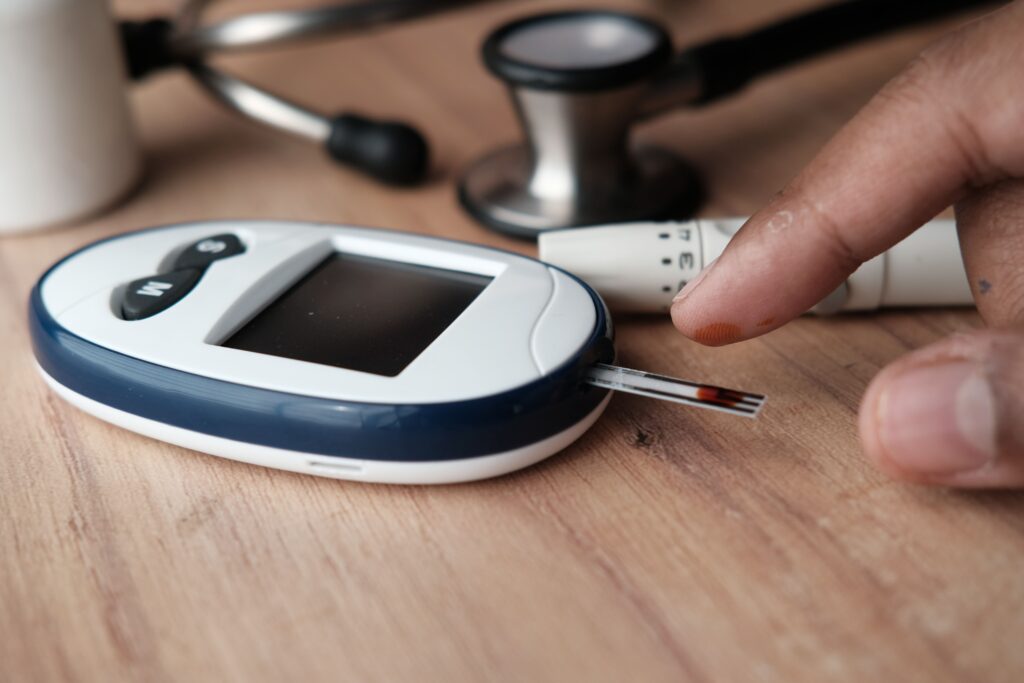
Blood glucose self-monitoring is one area where education shapes outcomes. Your provider explains when to check your blood sugar, what the numbers mean, and how to use that information to make decisions about food, activity, and medication timing.
Patients who use a continuous glucose monitor receive guidance on interpreting the trend data and understanding concepts such as time in range, which refers to the percentage of the day your glucose stays within the target zone. Many clinicians consider this information useful alongside A1C for assessing day-to-day glucose control.
Nutritional education in primary care focuses on practical changes rather than rigid prescriptions. Your physician may discuss the glycemic index of common foods, the effect of fiber on blood sugar absorption, and strategies for managing glucose spikes after meals. These conversations build on what the patient is already eating and identify specific modifications that are sustainable rather than attempting to overhaul the entire diet at once.
Patients with prediabetes warning signs benefit from early education about lifestyle modifications that may delay or reduce the risk of progression to type 2 diabetes. Your primary care physician can explain which steps may be appropriate based on your A1C, fasting glucose, weight, activity level, and overall health history.
The annual wellness visit provides a natural checkpoint for reviewing your diabetes management plan, updating your health goals, and ensuring that all recommended screenings are current.
Primary Care Follow-Up and Long-Term Support
Long-term diabetes management works best when follow-up is consistent. Your physician may schedule visits every three to six months, depending on your A1C, medication changes, symptoms, and complication risk. These appointments provide time to review blood glucose logs, discuss side effects, update prescriptions, evaluate blood pressure, and decide whether additional lab work is needed.
A consistent primary care practice can also help patients avoid fragmented care. When one physician tracks your diabetes, cholesterol, blood pressure, kidney function, and medication list together, the care plan becomes more coordinated. This is especially important for patients managing multiple chronic conditions, because changes in one condition may affect another.
For example, a medication chosen for blood sugar control may also be considered in light of cardiovascular risk or kidney function. A blood pressure medication may be selected because it supports kidney protection in selected patients with diabetes. A lipid panel may shape decisions about cholesterol management because diabetes increases the risk of heart disease. These connections are part of the reason diagnostic testing and ongoing primary care work together.

FAQ
How often should patients with type 2 diabetes have A1C testing?
The American Diabetes Association recommends A1C testing at least twice per year for patients whose blood sugar control is stable and meeting treatment goals. Patients whose therapy has changed or who are not meeting their A1C target may need testing every three months. Your primary care physician determines the right frequency based on your trend data, medications, and overall disease stability.
When should a patient with type 2 diabetes see an endocrinologist?
Most patients with type 2 diabetes can receive ongoing care through their primary care physician. Referral to an endocrinologist may be appropriate when glucose control remains difficult despite medication adjustments, when insulin therapy requires complex dosing, or when complications such as advanced kidney disease or recurrent hypoglycemia require specialized input.
How is diabetes connected to cardiovascular risk?
Type 2 diabetes is a major risk factor for cardiovascular disease. Over time, elevated blood sugar may damage blood vessels and increase the risk of heart attack, stroke, and peripheral arterial disease. Your primary care physician helps manage this risk through blood pressure control, lipid management, medication review, and regular diagnostic monitoring.
Conclusion
Type 2 diabetes requires ongoing monitoring, education, and practical adjustments over time. A primary care physician can help patients track A1C, review lab results, adjust medications, monitor for complications, and coordinate referrals when needed. This approach keeps diabetes care connected to the rest of the patient’s health rather than treating it as a separate issue.
At Blue Point Medical Group, patients receive primary care that supports prevention, chronic disease management, diagnostic testing, and long-term follow-up. If you are managing type 2 diabetes or want to review your diabetes care plan, schedule an appointment with Blue Point Medical Group to discuss your lab results and treatment goals.
This article is for informational purposes only and does not constitute medical advice. Individual needs vary, and diabetes recommendations may differ based on age, symptoms, medical history, medications, insurance coverage, lab results, and clinical findings. Always consult your physician or a qualified healthcare provider for questions about your health or before making changes to your treatment plan.