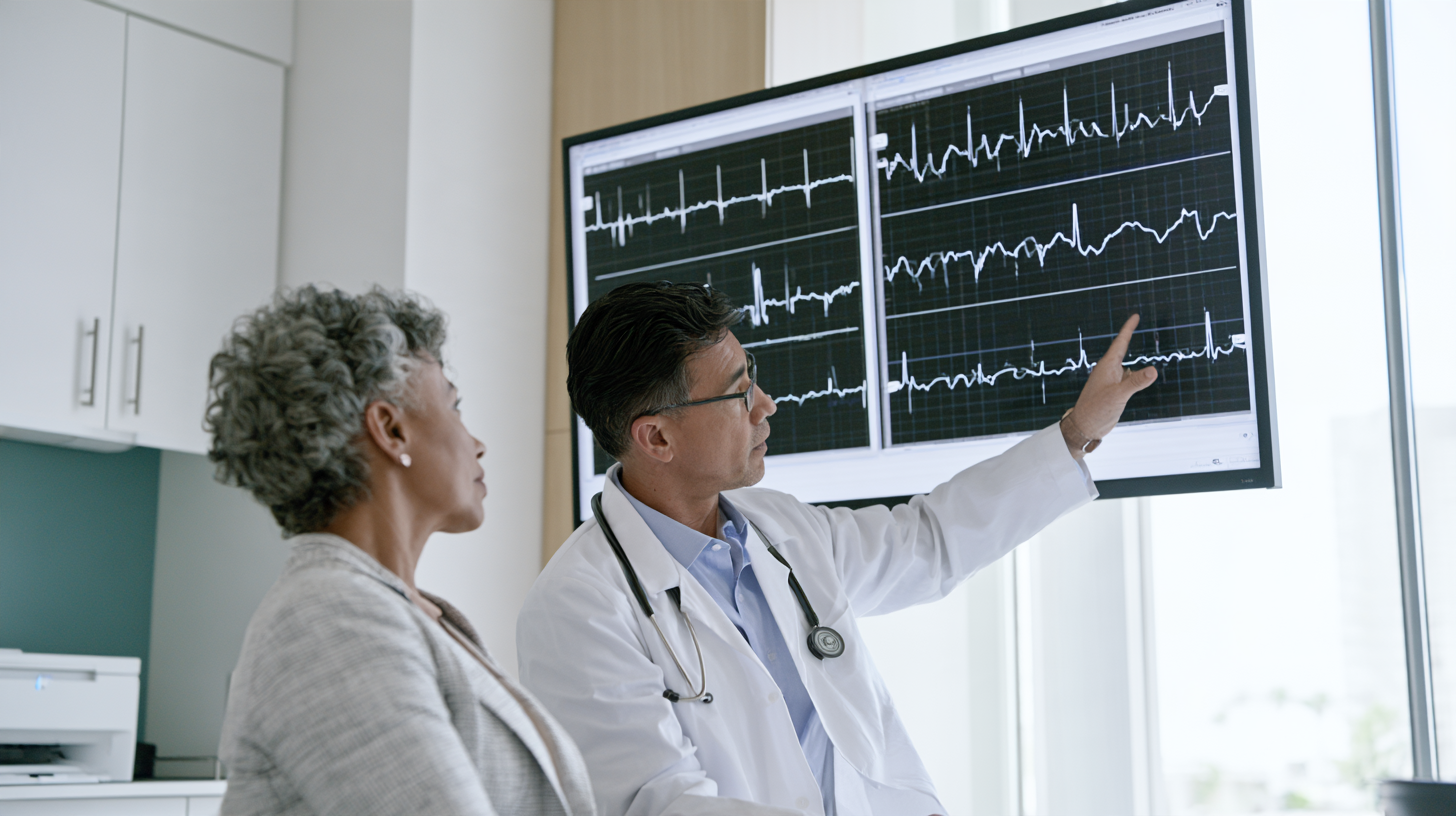

A racing heartbeat, unexplained weight loss, or a stretch of insomnia you assumed was stress can sometimes point to an overactive thyroid. Hyperthyroidism often becomes part of the conversation because of symptoms involving the heart, sleep, weight, or mood rather than because someone first suspects a thyroid problem.
Blue Point’s guide to thyroid testing through primary care explains what a thyroid panel measures. This article focuses on the overactive side of thyroid disease, including common symptoms, the laboratory patterns physicians look for, and the situations that require more urgent evaluation.
The symptom set that points at the heart and the mind before the neck
The StatPearls reference chapter on thyrotoxicosis, updated January 18, 2025, groups symptoms by body system. Cardiovascular symptoms can include palpitations, tachycardia, and atrial fibrillation. Adrenergic symptoms include heat intolerance and sweating, while metabolic effects can include weight loss despite an increased appetite. Psychiatric symptoms may include anxiety and insomnia.
An August 2025 review in American Family Physician identifies weakness, palpitations, weight loss, and heat intolerance among the most common overactive thyroid symptoms.
The Hyperthyroidism StatPearls chapter notes that unintentional weight loss is common, but about 10% of patients may gain weight because of increased appetite. That variation is one reason weight change alone cannot establish the diagnosis.
The 2016 American Thyroid Association clinical practice guideline notes that the degree of thyroid hormone elevation does not always closely match the severity of symptoms. Someone can therefore have significantly abnormal laboratory results while experiencing symptoms that seem relatively mild.
NIDDK’s patient information on hyperthyroidism emphasizes the same point: symptoms alone are not enough to diagnose the condition.
Other health problems can produce similar symptoms. Hypoglycemia, excessive caffeine use, atrial fibrillation, congestive heart failure, and other conditions may overlap with the presentation of hyperthyroidism, which is why the evaluation often starts with the symptom that brought the patient in.
Older adults and the symptoms that thin out rather than disappear
Hyperthyroidism may look different in older adults.
A 2010 study of more than 3,000 adults with hyperthyroidism found that many classic symptoms became less common with age, although weight loss and shortness of breath remained important. The researchers suggested maintaining a lower threshold for thyroid testing in older adults, particularly when unexplained weight loss, atrial fibrillation, or breathlessness is present.
A 2023 JAMA review also describes apathetic hyperthyroidism, a presentation with fewer obvious symptoms, in a small percentage of older adults. NIDDK notes that hyperthyroidism in older patients can sometimes be confused with depression or dementia.
The anxiety overlap, and what it does and does not mean
Mood symptoms and hyperthyroidism can overlap.
A 2022 systematic review and meta-analysis found an association between hyperthyroidism and clinical depression compared with people who had normal thyroid function. That finding describes an association rather than proving that thyroid disease directly causes every mood symptom.
The evidence surrounding subclinical hyperthyroidism and depression is less consistent. Different studies and guidelines have reached different conclusions.
For that reason, symptoms such as anxiety, sleep disturbance, or mood changes may be part of the clinical picture, but they should be evaluated alongside thyroid function rather than assumed to come from the thyroid automatically.
The heart is usually where this shows up
A thyroid abnormality is often discovered during the evaluation of a heart-related symptom.
The StatPearls chapter on thyrotoxicosis describes sinus tachycardia as the most common rhythm disturbance associated with thyrotoxicosis. Thyroid function tests are also commonly included in the evaluation of atrial fibrillation.
An electrocardiogram, or EKG can identify the abnormal rhythm, while thyroid blood work can help determine whether excess thyroid activity may be contributing to it.
A large 2012 BMJ cohort study involving more than 586,000 adults found that the risk of new atrial fibrillation increased as thyroid activity moved from hypothyroidism toward hyperthyroidism.
The depth of TSH suppression also mattered. More strongly suppressed TSH levels were associated with greater atrial fibrillation risk than mildly reduced levels.

The lab pattern, and the three shapes it comes in
The 2016 American Thyroid Association guideline defines overt hyperthyroidism as a low or undetectable TSH with elevated T3, elevated free T4, or both.
Subclinical hyperthyroidism has a different laboratory pattern: TSH is low or undetectable, while T3 and free T4 remain within their normal ranges.
A third pattern can occur in milder disease. In T3-toxicosis, TSH is low, T3 is elevated, and free T4 may still be normal. That is why physicians interpret the entire thyroid panel rather than relying on one result.
Supplements can also affect thyroid test results. High doses of biotin, which is commonly included in hair and nail supplements, can interfere with some laboratory assays and create a pattern that resembles an overactive thyroid, including falsely low TSH and falsely elevated free T4.
The ATA guideline recommends stopping high-dose biotin and repeating testing after an appropriate interval when interference is suspected. This is one reason it is important to tell your physician about supplements as well as prescription medications.
TSH is generally the most sensitive initial blood test when thyrotoxicosis is suspected. A normal TSH makes hyperthyroidism unlikely in most routine circumstances, although laboratory interference and uncommon medical situations still require clinical interpretation.
Subclinical hyperthyroidism and the thresholds behind what happens next
Subclinical hyperthyroidism does not lead to the same treatment decision for every patient.
The ATA guideline separates patients partly by how low the TSH remains. A persistently suppressed TSH below 0.1 mU/L receives more attention, especially in adults age 65 and older, people with heart disease or cardiovascular risk factors, those with osteoporosis, postmenopausal women not receiving certain bone-protective therapies, and patients with hyperthyroid symptoms.
When TSH is only mildly reduced, treatment decisions may be more conservative, particularly in younger adults without symptoms, cardiac disease, or osteoporosis.
The word persistently matters. A single low TSH result does not necessarily establish a chronic thyroid problem. Repeat testing over several months may be used to determine whether the abnormality continues or resolves.
Patients who are observed rather than treated may have thyroid function checked periodically to make sure the pattern does not progress to overt hyperthyroidism.
A low TSH that came from the prescription
Not every suppressed TSH comes from an overactive thyroid gland.
A person taking thyroid hormone replacement for hypothyroidism can develop exogenous hyperthyroidism if the dose is higher than the body currently needs.
Overtreatment with levothyroxine has been associated with concerns such as atrial fibrillation and reduced bone density, particularly in older adults.
That is why a low TSH in someone taking thyroid medication should be interpreted alongside the prescribed dose, symptoms, age, and health history rather than treated as a new thyroid diagnosis automatically.
Medication changes should be made with the prescribing physician.
Thyroid storm, sized in both directions
Thyroid storm is a medical emergency and should not be managed through a routine office appointment.
The StatPearls chapter on thyroid storm describes severe features that can include very high fever, marked tachycardia, and central nervous system changes such as agitation, delirium, psychosis, or coma.
MedlinePlus advises people with hyperthyroidism to seek emergency help if they develop symptoms consistent with thyroid storm, including a change in consciousness or a rapid, irregular heartbeat.
Ordinary palpitations do not automatically mean thyroid storm. The condition is rare, with population studies estimating roughly one case per 100,000 people per year.
The ATA guideline also cautions that many individual symptoms of thyroid storm can occur during other serious illnesses. The emergency diagnosis depends on the overall severity and combination of findings.
Anyone with known or suspected hyperthyroidism who develops very high fever, severe confusion, loss of consciousness, or a dangerously rapid or irregular heartbeat should seek emergency medical care.
Primary care, endocrinology, and the threshold no guideline states
There is no single published number that determines when every patient with hyperthyroidism must move from primary care to endocrinology.
Stable hyperthyroidism or thyrotoxicosis may sometimes be evaluated and managed in an outpatient setting by a primary care physician, an endocrinologist, or both.
The situation is different for thyroid storms, which requires emergency hospital care and specialist involvement.
Patients with Graves disease and significant eye symptoms may also need evaluation by an ophthalmologist in addition to thyroid care.
One of the first steps after confirming hyperthyroidism is determining the cause. Depending on the situation, that evaluation may involve TRAb antibody testing, radioactive iodine uptake testing, or ultrasound assessment of thyroid blood flow.
Treatment then depends on the underlying cause, severity, patient age, other medical conditions, and individual preferences. There is no single treatment that is best for every patient.

Frequently Asked Questions
Does one low TSH result mean I have hyperthyroidism?
Not necessarily. A single low TSH result may need to be repeated before a persistent thyroid abnormality is confirmed.
Depending on the situation, a physician may repeat TSH and check free T4 and T3 to determine whether the result represents overt hyperthyroidism, subclinical hyperthyroidism, a temporary change, medication effect, or laboratory interference.
The timing of repeat testing depends on the degree of abnormality, symptoms, medications, and overall clinical picture.
Can a persistently low TSH affect bone strength?
Yes. Persistently excessive thyroid activity has been associated with bone loss and osteoporosis.
Bone health becomes particularly important when deciding whether to treat subclinical hyperthyroidism in older adults, postmenopausal women, and people who already have osteoporosis or other risk factors for bone loss.
The decision to treat still depends on the complete clinical picture rather than on bone risk alone.
Does Graves disease require a different type of care?
Graves disease is one of the most common causes of hyperthyroidism and can sometimes affect the eyes as well as the thyroid.
When thyroid eye disease is suspected, symptoms such as eye irritation, bulging, double vision, pressure, or vision changes may require evaluation by an ophthalmologist in addition to thyroid treatment.
The need for endocrinology or ophthalmology involvement depends on the severity of the disease and the specific symptoms present.
Conclusion
Hyperthyroidism symptoms can resemble many other conditions because excess thyroid hormone affects the heart, metabolism, sleep, mood, muscles, and nervous system. Palpitations, unexplained weight changes, weakness, heat intolerance, anxiety, or insomnia may therefore lead to thyroid testing even when the thyroid was not the first suspected cause.
Diagnosis depends on blood work rather than symptoms alone. A low TSH, together with free T4 and T3 levels, helps determine whether the pattern is overt hyperthyroidism, subclinical disease, or another thyroid abnormality. Medication use and supplements such as biotin can also affect how those results are interpreted.
If you have symptoms that may be related to an overactive thyroid or have received an abnormal thyroid test result, contact Blue Point Medical Group to schedule an appointment. Our primary care team can review your symptoms, medications, health history, and thyroid results and help determine the appropriate next step.
This article is for informational purposes only and does not constitute medical advice. Always consult your physician or a qualified healthcare provider for questions about your health or before making changes to your treatment plan.