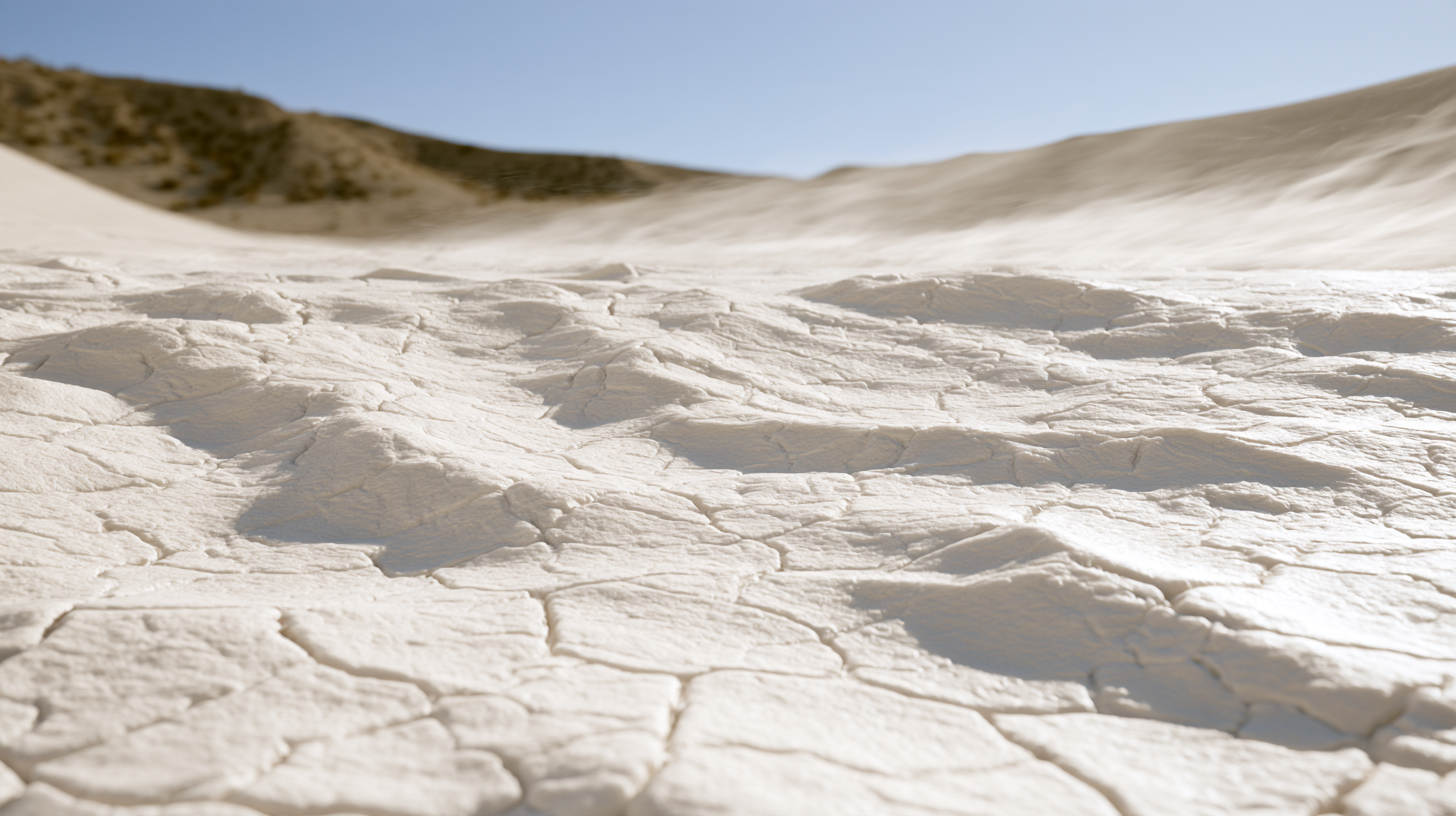
Summer in the Las Vegas valley gets much of the attention because of dust and monsoon outflows, but winter creates a different respiratory problem. The combination of naturally dry desert air and indoor heating can irritate the nose and airways, producing symptoms that are sometimes mistaken for an infection.
Nosebleeds, sinus pressure, a dry cough, and worsening asthma symptoms can all become more noticeable during the colder months. Understanding how winter dryness differs from allergies, dust exposure, and respiratory infections can help clarify what may improve with environmental changes and what deserves medical evaluation.
Winter here is drier, and indoor heating makes it drier still
The desert is dry throughout the year, but winter changes the environment in two ways at once. Outdoor humidity drops further during the cooler months, and indoor heating can lower relative humidity even more because warming air without adding moisture makes it feel drier.
The practical result is that the air inside a heated home or office can become considerably drier than expected.
That matters because the nasal passages and airways depend on a moist surface layer to function normally. When that lining dries out, the tissue can become irritated, fragile, and less effective at clearing mucus and other particles.
This is different from the mechanism described in Blue Point’s guide to Las Vegas air quality and monsoon dust.
Monsoon dust creates particulate irritation, meaning material in the air is irritating the respiratory tract. Winter dryness creates desiccation, or a lack of moisture. The symptoms may overlap even though the cause is different.

The symptoms, and why they get mistaken for illness
Several respiratory symptoms appear repeatedly during a dry Las Vegas winter.
Nosebleeds are one of the most recognizable. Low humidity can dry and crack the delicate tissue lining the nose, making small blood vessels more likely to bleed. Someone who rarely experiences nosebleeds may begin having them during winter or after prolonged exposure to indoor heating.
Sinus pressure without infection is another common problem. Dry, irritated nasal tissue can swell and cause congestion and facial pressure even when there is no bacterial or viral illness present.
That distinction matters because antibiotics do not treat symptoms caused by dryness.
A dry cough may also develop or persist, particularly at night or first thing in the morning after spending several hours breathing heated indoor air.
For people with asthma, dry air can also irritate already sensitive airways. Someone whose symptoms are controlled during other seasons may notice more coughing, chest tightness, or breathing difficulty during winter.
Blue Point’s guide to asthma and COPD care plans explains why respiratory conditions may need to be reassessed when seasonal triggers change.
Telling winter dryness apart from the other two seasonal problems
Southern Nevada can produce several different respiratory patterns across the year, and the appropriate response depends on the cause.
Monsoon dust tends to become more noticeable during late summer and may follow wind events, storms, and visibly poor air quality. Symptoms often become worse outdoors and may improve once someone moves indoors.
Fall allergies tend to produce a different pattern. Sneezing, itching, watery eyes, and symptoms tied to pollen exposure are more typical.
Blue Point’s guide to Las Vegas fall allergies covers those triggers in more detail.
Winter dryness can behave in almost the opposite way. Symptoms may become worse indoors, especially overnight or first thing in the morning, because heated air continues drying the nasal passages and throat for hours.
Symptoms that improve after leaving a heated indoor space and return after coming back inside may point more strongly toward low humidity than toward pollen or dust exposure.
The distinction matters because the treatments are different. An antihistamine may help allergic symptoms but does little for dry tissue, while a humidifier may improve dryness without addressing a pollen allergy.

The measures that help, with a number attached
Advice about winter dryness often stops at “use a humidifier,” but the indoor humidity level matters.
The EPA recommends keeping indoor relative humidity below 60% and ideally between 30% and 50%.
That range balances two problems. Air that is too dry can contribute to nasal irritation, cough, and dry skin, while air that is too humid can encourage mold, dust mites, and other indoor allergens.
A small hygrometer can help measure the actual humidity in a room instead of relying on guesswork.
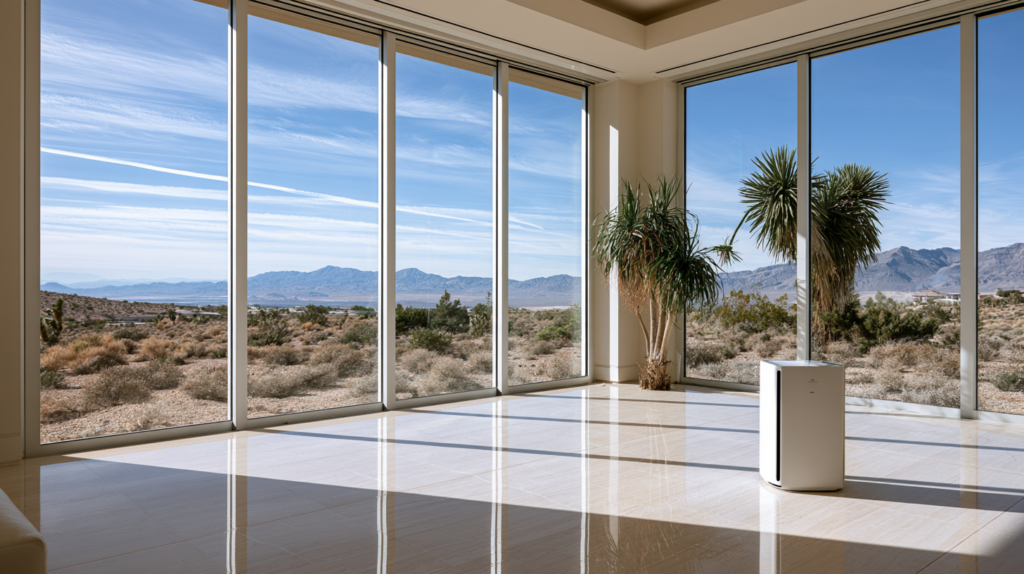
For people whose symptoms are worst overnight, using a properly maintained humidifier in the bedroom can help reduce several hours of continuous exposure to dry heated air.
Humidifiers should be cleaned regularly according to the manufacturer’s instructions. A poorly maintained humidifier can become a source of microorganisms or other airborne contaminants.
Saline nasal spray or saline rinses can also help moisturize nasal tissue directly. Staying adequately hydrated supports normal mucous membranes as well, although drinking water alone does not correct extremely dry indoor air.
The symptoms dryness does not explain
Not every winter respiratory symptom should be attributed to dry air.
Fever is not caused by low humidity and may point toward an infection or another medical problem.
Facial pain accompanied by thick discolored drainage that persists or worsens may also require medical evaluation rather than simply adding humidity.
Frequent, heavy, or difficult-to-stop nosebleeds deserve assessment as well, particularly for someone taking a blood thinner.
A complete medication list matters because some medications can increase bleeding risk or contribute to dryness. Blue Point’s guide to medication review explains why medication history is part of evaluating new symptoms.
Breathing symptoms that are no longer controlled by your usual asthma or COPD regimen are another reason to contact a physician.
The value a visit adds beyond environmental advice
A physician evaluating winter respiratory symptoms can help determine whether the problem is primarily dryness, allergy, infection, or an airway condition such as asthma.
The evaluation begins with the pattern of symptoms, when they occur, whether they change indoors or outdoors, current medications, and other health conditions.
A physical examination can help identify findings that do not fit simple dryness.
Where testing is appropriate, Blue Point provides on-site diagnostics for laboratory work and EKGs, while additional testing or specialist evaluation can be coordinated through the physician when needed.
Blue Point’s primary care and internal medicine team provides evaluation for adults throughout the Las Vegas valley.
The sleep connection people miss
Winter dryness can also affect sleep, even when respiratory symptoms seem relatively minor during the day.
A dry or congested nose can lead to mouth breathing overnight. That dries the throat further and may leave someone waking with a scratchy or sore throat that feels like the beginning of an illness.
Nasal congestion caused by dry, irritated tissue can contribute to the same cycle.
A dry cough that becomes worse when lying down may also interrupt sleep directly.
If symptoms are consistently the worst first thing in the morning and improve as the day progresses, the overnight environment may be worth examining first.
Checking bedroom humidity and addressing overly dry air may improve both respiratory symptoms and sleep quality.
If sleep problems continue despite environmental changes, they deserve their own evaluation. Blue Point’s guide to sleep apnea and fatigue evaluation explains what that assessment may include.
The people for whom this matters most
Dry winter air can affect almost anyone in Las Vegas, but certain groups may experience more noticeable symptoms.
People with asthma or COPD may be more sensitive because their airways are already reactive. An environmental irritant that causes only mild discomfort in someone else may trigger more significant coughing or breathing symptoms.
Older adults may also experience more dryness because mucous membranes naturally become drier with age.
Some medications have drying effects, including certain antihistamines and other commonly used prescriptions. Those effects can compound the low humidity of the environment.
A medication review can help identify whether treatment is contributing to symptoms.
Recent arrivals to Southern Nevada may notice the difference particularly strongly. Someone moving from a humid climate may experience their first desert winter as repeated congestion, throat irritation, or nosebleeds without realizing that the environment itself is contributing.
Recognizing that pattern can make the symptoms easier to address.
Timing the change before the season does
One advantage of a seasonal respiratory problem is that it can often be anticipated.
If last winter brought repeated nosebleeds, morning congestion, a persistent dry cough, or worsening asthma control, the same pattern may return when indoor heating begins again.
That makes early preparation useful.
Checking indoor humidity before symptoms become severe, cleaning or servicing a humidifier before regular use, and discussing predictable winter asthma symptoms with your physician can all be done before the middle of the season.
For people managing a chronic respiratory condition, reviewing the treatment plan while symptoms are stable may be easier than making changes during a flare.
Blue Point’s guide to how lab testing connects symptoms with underlying concerns explains how baseline information can make future changes easier to interpret.
Frequently Asked Questions
Is a humidifier in the bedroom enough for winter dryness?
For many people, the bedroom is the most useful place to start because it represents several uninterrupted hours of exposure to heated indoor air. A humidifier may help with morning congestion, dry throat, nasal irritation, and nighttime cough when low humidity is contributing to the symptoms.
Whether one bedroom humidifier is enough depends on the size of the room, the overall humidity of the home, and where symptoms occur. Using a hygrometer can show whether the room is actually staying within the recommended humidity range rather than relying on how the air feels.
Are winter nosebleeds normal in the Las Vegas desert?
Dry air is a common contributor to seasonal nosebleeds in Las Vegas because it can dry and crack the lining inside the nose. Occasional mild nosebleeds during very dry weather may therefore be related to the environment.
However, frequent, heavy, or difficult-to-stop bleeding should not automatically be blamed on winter dryness. Nosebleeds also deserve medical evaluation when they occur in someone taking a blood thinner or when there are other unusual symptoms.
Do I need antibiotics for sinus pressure caused by winter dryness?
Not if the pressure is being caused by dry, irritated nasal tissue rather than a bacterial infection. Antibiotics treat bacterial infections and do not correct low humidity or moisture loss from the nasal passages.
The challenge is that dryness, allergies, viral illness, and sinus infection can produce overlapping symptoms. Persistent or worsening facial pain, fever, or concerning nasal drainage should be evaluated by a physician rather than treated based on symptoms alone.
Conclusion
Dry winter air in Las Vegas can contribute to nosebleeds, sinus pressure, throat irritation, dry cough, disrupted sleep, and worsening respiratory symptoms. Indoor heating can intensify the problem by lowering humidity further during the hours people spend inside.
Simple measures such as monitoring indoor humidity, using a properly maintained humidifier, and keeping nasal tissue moisturized may help when dryness is the cause. However, fever, persistent facial pain, uncontrolled breathing symptoms, heavy nosebleeds, or symptoms that continue despite environmental changes deserve medical evaluation.
If winter respiratory symptoms keep returning or you are unsure whether dryness, allergies, infection, or an airway condition is responsible, contact Blue Point Medical Group to schedule an appointment. Our primary care team can review your symptoms, medications, respiratory history, and seasonal patterns to help determine what may be contributing and what next steps may be appropriate.
This article is for informational purposes only and does not constitute medical advice. Always consult your physician or a qualified healthcare provider for questions about your health or before making changes to your treatment plan.