
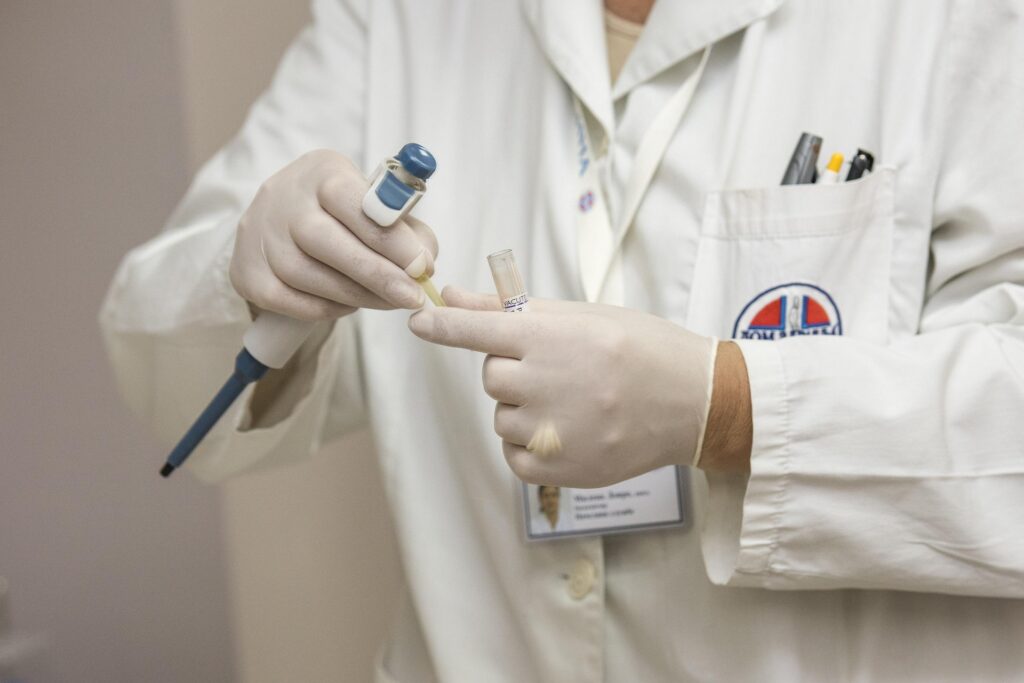
Seeing a new number on a lab report can raise more questions than it answers. An A1C test measures your average blood glucose over roughly the past two to three months, and it is one of the main tools your primary care doctor relies on for diabetes monitoring. It is used both to place your number on the normal-to-diabetes scale and to decide what happens next. Understanding what your A1C number means, and what a doctor typically does with the result, can turn the number from a source of worry into a starting point for a conversation about your health.
A1C testing and average blood glucose measurement
Unlike a fasting glucose check, which captures a single moment, an A1C test measures hemoglobin A1C, the percentage of hemoglobin, the protein in red blood cells that carries oxygen, that has glucose attached to it. Red blood cells live for roughly two to three months, so the result reflects a rolling blood sugar average rather than a single snapshot, according to the CDC and the National Institutes of Health.
That average falls into one of three A1C ranges:
• Normal A1C range: below 5.7%
• Prediabetes zone: 5.7% to 6.4%
• Diabetes range: 6.5% or above
The American Diabetes Association and the CDC both use these same A1C cutoffs, which is why most sources agree on the numbers even when they describe them differently.
Placing your own A1C result in one of these three bands is the first step. Most online explanations of A1C stop there and skip the more useful part: how often your doctor will retest you, and what would change your plan. When your doctor orders a broader panel alongside your A1C, understanding kidney function blood tests, including BUN, creatinine, and eGFR, can help explain how your doctor reads those companion lab values together.
A1C result ranges and next steps in primary care
A normal A1C result usually means your provider will recheck your A1C at your next routine physical, often a year out, unless something in your medical history suggests otherwise.
A result in the prediabetes range changes the conversation. Prediabetes is not a diagnosis of diabetes, and it is often reversible with the right changes, but it does typically prompt closer monitoring and a discussion about weight management, physical activity, and healthy eating. Understanding the early signs of prediabetes and the early management strategies for prediabetes can provide additional context for the lifestyle approaches that tend to come up first.
A result at or above the diabetes threshold shifts the visit toward diabetes treatment planning and ongoing diabetes monitoring. Your doctor will likely discuss a target A1C. The American Diabetes Association sets that general target at below 7% for most adults with diabetes, though your care team will adjust the goal to fit your health history and other conditions rather than apply one number to every patient. This creates a personalized A1C goal based on your individual needs.
Recommended A1C testing frequency for diabetes monitoring
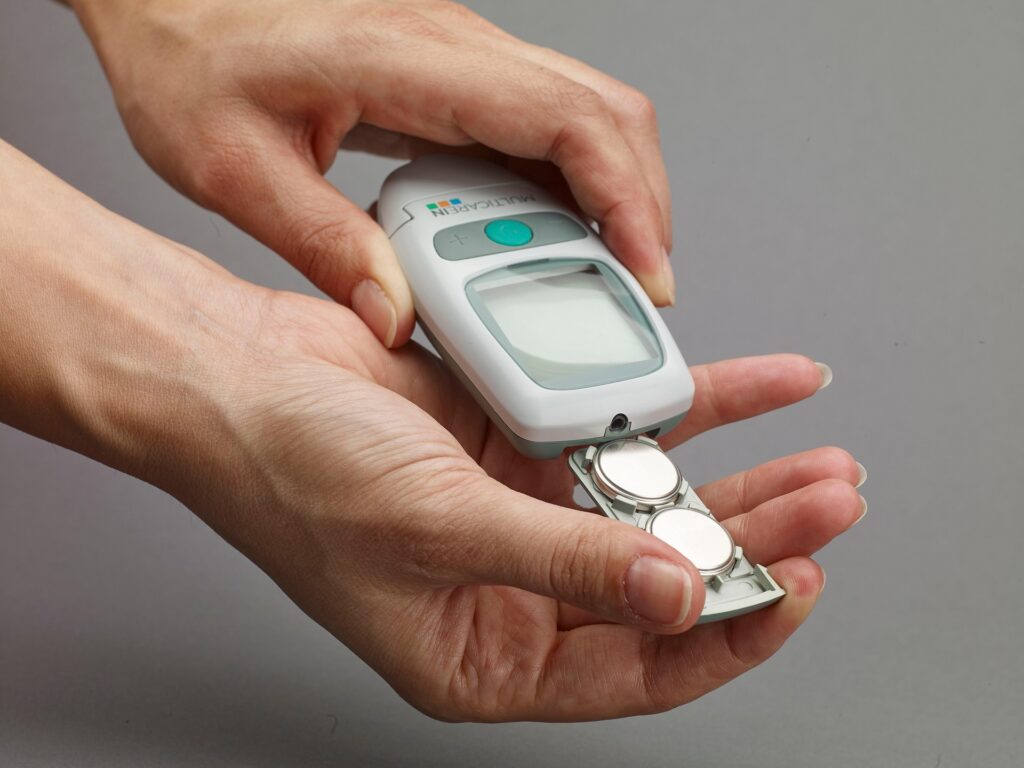
The A1C testing intervals you will find across different sources can sound inconsistent: twice a year, every three months, every six months, or every one to two years. One rule ties them together. The interval shortens when you are not yet at your glycemic target or have just started a new diabetes treatment, and it lengthens once your numbers show stable blood sugar control.
For patients with diagnosed diabetes, a Canadian health-technology advisory panel recommends retesting as often as every three months when a patient has not yet reached their glycemic target, moving to about every six months once control is stable.
Mayo Clinic notes that people with diabetes are commonly tested two to four times a year, depending on how well blood sugar is controlled, and Cleveland Clinic describes a similar pattern of two or more tests a year, with the exact schedule set by the care team. For prediabetes monitoring, the CDC generally recommends retesting every one to two years. Understanding how regular lab work supports chronic condition monitoring can also clarify why testing intervals change over time.
A1C is not equally reliable for everyone. Anemia, kidney disease, and later-stage pregnancy can all affect how long red blood cells circulate, and that can skew the result in either direction. Your provider may use an alternative glucose test or read your A1C alongside other laboratory values if one of these applies to you.
Lifestyle intervention and medication decisions after an A1C test
A prediabetes-range result is usually the point where lifestyle intervention moves to the center of the conversation. The National Diabetes Prevention Program is the standard next step that providers recommend. The evidence behind it is well established: losing 5% to 7% of body weight combined with about 150 minutes of activity a week has long been associated with a 58% lower incidence of type 2 diabetes overall and a 71% lower incidence in adults over 60. That finding comes from the long-running Diabetes Prevention Program trial, which the CDC still cites as established evidence rather than new research.
A discussion about diabetes medication tends to begin at a different trigger point, typically when a diabetes-range A1C does not move enough after a meaningful period of lifestyle changes, or when the number at diagnosis is high enough that lifestyle changes alone are not expected to close the gap in a reasonable timeframe. Your physician will personalize that decision to your A1C level, your health history, and your response to treatment, rather than apply a fixed rule to every patient.
Hearing that a medication conversation is starting can feel like a setback, but it usually reflects a numbers-based treatment decision rather than a judgment about what you have or have not done. Many patients continue the same weight goals, activity plan, and diet changes alongside a new prescription, since lifestyle management and medication often work together rather than one replacing the other.
On-site A1C testing during a primary care appointment
Many patients learn they need an A1C test during a visit that was not originally about diabetes, such as an annual wellness visit that turns into a conversation about diabetes risk factors, or a follow-up where a doctor wants a clearer average than a single glucose reading can provide. Understanding the difference between an annual wellness visit and a sick visit can help explain how that in-visit decision fits into the broader distinction between a preventive appointment and a problem-focused appointment.
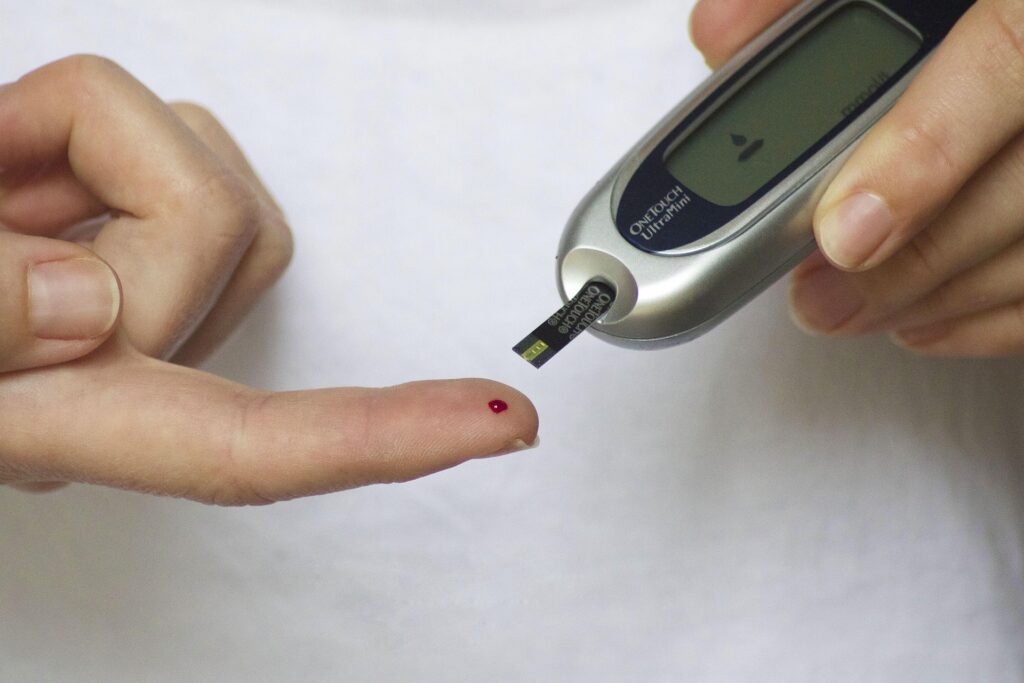
Blue Point Medical Group offers on-site blood draws, so an A1C test ordered during your primary care appointment does not require a separate trip to an outside lab. A phlebotomist can typically collect the sample the same day your provider orders it. Once the results are back, your care team can review them with you at a follow-up visit or through the patient portal, depending on what the results call for.
From there, your provider can walk through what the number means for your health history, whether that involves confirming a normal blood sugar result, increasing monitoring in the prediabetes zone, or discussing next steps after a diabetes diagnosis.
FAQ
What is considered a good A1C level?
An A1C below 5.7% falls within the normal range. For most adults who already have diabetes, the American Diabetes Association uses a general treatment target below 7%, although a primary care doctor may recommend a different goal based on age, medical history, other health conditions, and the risk of low blood sugar.
How often should an A1C test be performed?
The appropriate A1C testing frequency depends on your current result and treatment plan. People who are not at their target or who recently changed treatment may be tested about every three months. Patients with stable diabetes control may be tested about every six months, while people in the prediabetes zone may be retested every one to two years.
Can lifestyle changes lower an A1C result?
Yes. Lifestyle changes for prediabetes, including modest weight loss, regular physical activity, and dietary changes, can improve blood sugar control and reduce the risk of progressing to type 2 diabetes. Your provider can help you build a realistic diabetes prevention plan and decide when to repeat the test to measure progress.
Conclusion
Your A1C number is more than a single laboratory result. It gives your primary care doctor a longer view of your blood sugar, helps distinguish between the normal, prediabetes, and diabetes ranges, and guides decisions about retesting, lifestyle intervention, and medication. Reviewing the result in the context of your medical history, other laboratory values, and response to previous changes allows your care team to create a more personalized plan. Regular A1C testing and clear follow-up can support early detection, more effective diabetes monitoring, and informed decisions about your long-term health.
Ready to check where your A1C stands? Schedule an appointment with Blue Point Medical Group today for on-site A1C testing and a conversation about what your number means for you.
This article is for informational purposes only and does not constitute medical advice. Always consult your physician or a qualified healthcare provider for questions about your health or before making changes to your treatment plan.