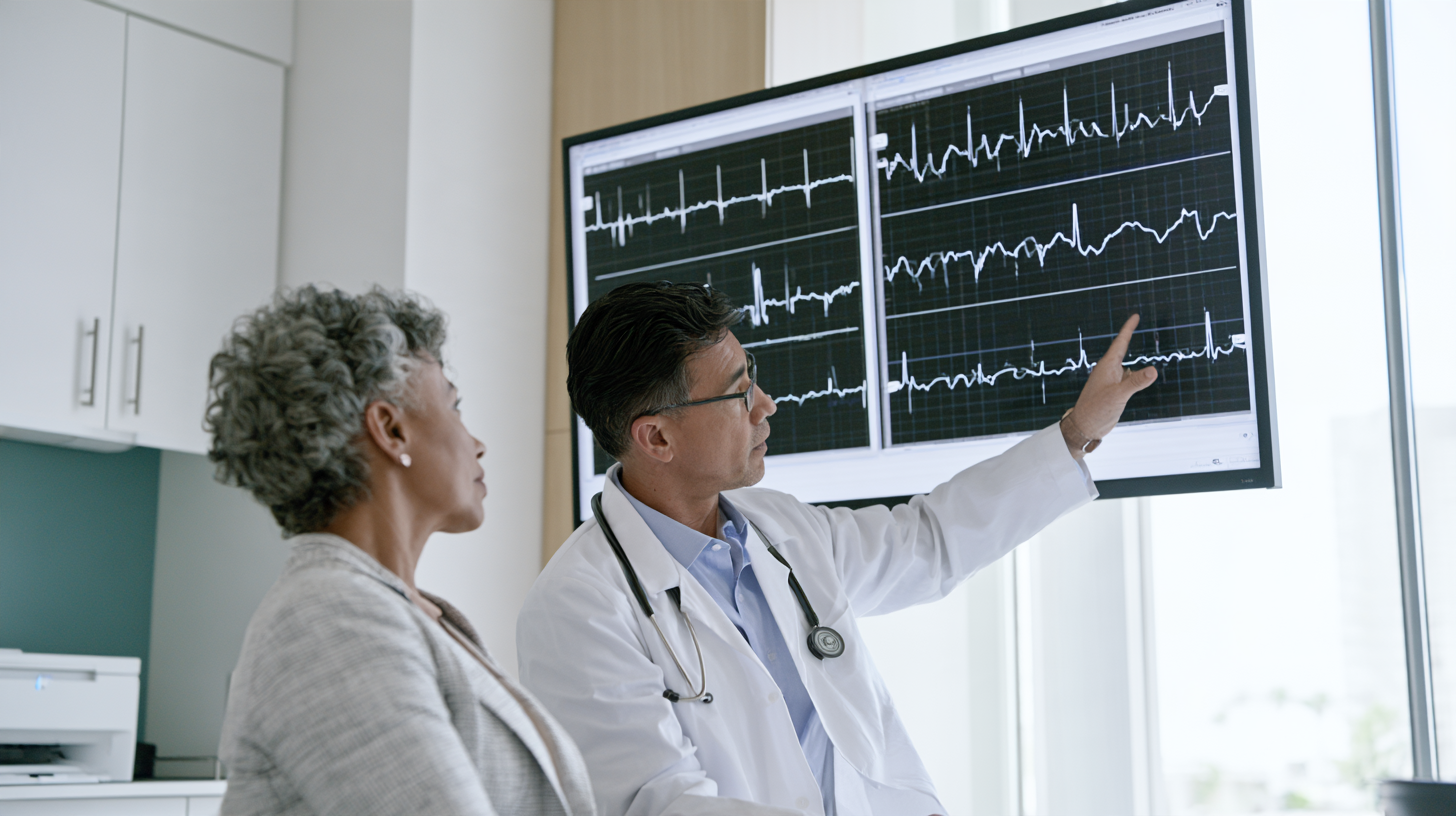

Breathing concerns can feel unsettling, especially when symptoms such as difficulty breathing, chronic cough, chest tightness, or reduced stamina begin affecting daily life. Pulmonary function testing helps doctors evaluate breathing and lung health by giving your healthcare provider objective information about how well your lungs work, rather than relying only on symptoms.
At BluePoint Medical Group in Las Vegas, pulmonary function tests are part of a practical, patient-centered approach to respiratory health. These breathing tests may be used during a routine physical, after repeated respiratory infections, or when a provider needs to check lung function before making decisions about a treatment plan.
The American Thoracic Society, the American Lung Association, and the National Heart, Lung, and Blood Institute describe pulmonary testing as a way to measure airflow, lung volume, and gas transfer, including how well the lungs move oxygen into the blood.
Breathing Symptoms Often Need More Than a Basic Exam
Many patients notice shortness of breath only during activity, while others feel changes during normal breathing. These symptoms may come from asthma, allergies, chronic obstructive pulmonary disease, lung disease, heart-related concerns, or temporary irritation after illness.
A physical exam is important, but it may not show the full picture. Lung function tests can support a clearer evaluation by showing how much air moves in and out, how quickly a person can force air out, and whether airflow through the bronchial tubes appears narrowed.
Patients Often Want to Know Why Testing Is Recommended
A provider may recommend function testing when symptoms persist, when risk factors are present, or when previous test findings need follow-up. Common risk factors include smoking history, asthma symptoms, workplace dust or chemical exposure, and certain occupational exposures.
Testing may also be considered when a patient has a known lung condition, suspected lung disorders, unexplained exercise limitation, or concerns related to pulmonary fibrosis or interstitial lung disease. The goal is not to alarm patients—it is to gather accurate results that guide informed care.
Pulmonary Function Tests PFTs Measure How the Lungs Move Air
Pulmonary function tests PFTs are a group of medical procedures that involve breathing into specialized equipment. A common pulmonary function test evaluates airflow, air volume, and sometimes how well the lungs absorb oxygen, helping providers diagnose and monitor breathing problems.
The testing process often uses a mouthpiece connected to a device, such as a spirometer or a small electronic machine. During the test, patients may be asked to take a deep breath, exhale forcefully, or breathe in a controlled pattern so the equipment can record measurements.
Pulmonary Function Tests: Spirometry Is a Common Starting Point
Pulmonary function tests, such as spirometry, are often the first type of pulmonary evaluation because they measure airflow in a straightforward way. A spirometry test records how much air a patient can breathe out and how fast air leaves the lungs.
Spirometry measures values such as forced expiratory volume and vital capacity. Vital capacity means the amount of air a person can exhale after taking the deepest breath possible. These measurements may help identify patterns that suggest narrowed airways or reduced breathing capacity.

Lung Volume Testing Shows How Much Air the Lungs Can Hold
Lung volume testing evaluates lung capacity, including total lung capacity and residual volume. Residual volume is the air that remains in the lungs after a full exhale. These numbers may help distinguish between obstructive and restrictive patterns.
One method, body plethysmography, measures air volume while the patient sits in a clear enclosed space and breathes through a mouthpiece. The test measures how much air the lungs hold and whether trapped air may be affecting breathing.
Diffusion Capacity Testing Looks at Oxygen Transfer
A lung diffusion capacity test evaluates diffusion capacity, or how well oxygen passes from the air sacs into the bloodstream. This matters because breathing is not only about airflow—it also depends on gas exchange inside delicate lung tissue.
During this test, a patient may inhale a very small amount of carbon monoxide in a controlled testing mixture. The measurement helps estimate how much oxygen can move across the lungs, how well the lungs deliver oxygen, and whether conditions affecting tissue or blood flow may be involved.
Exercise-Based Testing May Show Symptoms That Resting Tests Miss
Some patients feel fine at rest but become short of breath when walking, climbing stairs, or exercising. Exercise tests, including cardiopulmonary exercise tests and the six-minute walk test, may provide information about how the lungs respond during activity.
These tests may also be useful when symptoms involve both breathing and endurance. They can give a provider more context about oxygen use, carbon dioxide exchange, heart response, blood pressure, and overall exercise tolerance, which supports preventive care and diagnostic decision-making.
Test Results Need Careful Medical Interpretation
Test results are compared with normal values based on factors such as age, height, sex, and sometimes ethnicity. A result outside the normal range does not automatically mean a serious diagnosis, but it may show that more evaluation is needed, similar to how abnormal blood test results are interpreted.
Pulmonary function test results are most useful when interpreted alongside symptoms, exam findings, medication history, imaging, and other tests. This broader context may help a healthcare provider diagnose asthma, chronic obstructive pulmonary disease, interstitial lung disease, or other respiratory conditions.
Testing May Help Detect Airway Narrowing and Lung Restriction
One reason providers order pulmonary testing is to detect narrowing in the airways. When the bronchial tubes are inflamed or narrowed, the patient may have trouble exhaling quickly, even if they can still take in air.
Other patterns may suggest restriction, where the lungs cannot expand as expected. This can happen with certain lung tissue conditions, including pulmonary fibrosis, although diagnosis usually requires a complete medical review and sometimes imaging or specialist input.

Medication Response Can Guide the Treatment Plan
Some pulmonary function evaluations are performed before and after breathing medicines, such as bronchodilators. This comparison may show whether airflow improves after medication, which can support treatment decisions.
These results do not guarantee that one medication will work for every patient. They may, however, help the provider choose, adjust, or monitor a treatment plan based on measurable breathing patterns and the patient’s symptoms.
Preparation Helps Support Accurate Test Findings
Patients may be asked to avoid smoking, heavy meals, or certain medicines before testing, depending on the reason for the exam. Preparation instructions matter because they may influence accurate results and reduce the chance of needing to repeat the test.
Comfortable clothing can also help because the test may require full breaths and forceful exhalation. Patients should tell the clinical team about dizziness, chest discomfort, recent illness, or any concerns before starting.
Pulmonary Testing Can Support Preventive Primary Care
In a primary care setting, pulmonary testing can be part of a broader wellness and prevention strategy within personalized primary care. For patients with recurring cough, wheezing, smoking history, or occupational exposure, testing may provide useful baseline information.
Baseline testing may also help monitor whether symptoms are stable, improving, or changing over time. This is especially important for patients managing chronic conditions, because care decisions are stronger when they are based on both symptoms and objective measurements.
BluePoint Medical Group Provides Local Respiratory Evaluation in Las Vegas
BluePoint Medical Group offers comprehensive primary care services and diagnostic services designed to make evaluation more convenient for adult patients in Las Vegas. When appropriate, pulmonary function tests may be paired with clinical exams, bloodwork, specimen collection, EKGs, or additional testing under one coordinated care plan.
This integrated approach supports patient education and follow-through. Instead of treating breathing symptoms as isolated complaints, the care team can review respiratory health in the context of overall preventive and chronic care services, existing conditions, medications, and prevention goals.
Benefits and Considerations of Pulmonary Function Testing
The main benefit of lung function evaluation is clarity. Testing may help identify whether symptoms are related to airflow limitation, reduced lung capacity, impaired oxygen transfer, deconditioning, or another concern that needs additional review.
There are also considerations. Some patients feel lightheaded, tired, or briefly short of breath during testing because the exam requires effort. Results vary, and the test may not provide every answer by itself, which is why consultation with a licensed provider is required.
When Patients Should Discuss Breathing Tests With a Provider
Patients should consider discussing breathing tests if they have a persistent cough, wheezing, unexplained shortness of breath, chest tightness, or reduced exercise tolerance. Testing may also be appropriate when symptoms return after infections or when breathing concerns interfere with sleep, work, or daily activities.
A provider may also recommend testing before certain treatments, after medication changes, or during monitoring for a known lung condition. In more advanced circumstances, pulmonary function data can support specialty referrals or evaluation related to procedures such as lung transplant assessment.

FAQ
What Do Pulmonary Function Tests Show?
Pulmonary function tests show how well air moves in and out of the lungs, how much air the lungs can hold, and how well oxygen may transfer into the blood. They may help providers evaluate asthma, COPD, restrictive patterns, or other respiratory concerns.
Is a Spirometry Test Painful?
A spirometry test is not usually painful, but it can feel tiring because it requires deep breathing and forceful exhaling. Some patients feel briefly lightheaded, so the care team monitors comfort throughout the test.
How Long Do Lung Function Tests Take?
The time depends on which tests are ordered. Basic spirometry may be relatively quick, while lung volume, diffusion capacity, or exercise-based testing may take longer.
Can Pulmonary Function Test Results Diagnose Lung Disease by Themselves?
Pulmonary function test results can provide important clues, but they are usually interpreted with symptoms, medical history, physical exam findings, and other tests. A licensed provider must review the full clinical picture before making care recommendations.
Conclusion
Breathing symptoms deserve careful attention, especially when they persist or affect quality of life. Pulmonary function testing helps doctors evaluate breathing and lung health by adding objective information to the patient’s story, exam, and medical history.
Individual results vary, and testing or treatments may have risks, limitations, or contraindications depending on each patient’s health status. A consultation with a licensed provider is required to determine whether pulmonary function tests are appropriate and how the results should be interpreted. Contact BluePoint Medical Group to schedule a consultation for breathing concerns, a chronic cough, or a preventive respiratory evaluation in Las Vegas.