

Las Vegas presents a dehydration challenge that many residents underestimate. The desert climate keeps relative humidity low for much of the year, and summer temperatures can rise sharply. Under those conditions, the body may lose fluid through sweat and respiration faster than many people replace it. Even mild dehydration may affect physical function, concentration, and how a patient feels throughout the day. For patients living in Las Vegas, that mild fluid deficit may become a daily baseline rather than an occasional event.
The effects of chronic dehydration extend beyond thirst and dry skin. In a primary care setting, physicians often consider how inadequate fluid intake may influence three areas that matter for ongoing health management: blood pressure readings, energy levels, cognitive clarity, and the accuracy of lab results. Each of these areas plays a role in how your doctor evaluates your health, adjusts medications, and decides which follow-up steps may be appropriate. When dehydration is part of the picture, those evaluations may shift in ways that are easy to miss without understanding the connection.
Blood Pressure Changes Related to Fluid Balance
Blood pressure depends partly on blood volume. When the body is well hydrated, blood volume usually stays within a range that supports stable circulation. When fluid levels drop, blood volume may decrease, and the cardiovascular system responds. In some patients, dehydration may cause blood pressure to fall because there is less fluid moving through the circulatory system. In others, the body may compensate by increasing heart rate and constricting blood vessels, which can cause blood pressure to rise temporarily. Both responses may produce readings that do not fully reflect a patient’s usual baseline.
For patients taking blood pressure medication, this can create a clinical challenge. A reading taken during a period of dehydration may suggest the medication is working too strongly or not effectively enough, when the real variable may be fluid intake. A primary care physician who sees a patient with inconsistent readings over multiple visits may ask about daily water consumption, time spent outdoors, alcohol use, caffeine intake, and other factors that may increase fluid loss. The primary care team at a practice with on-site diagnostics can evaluate blood pressure trends alongside lab work to help separate medication effects from hydration status.
Adequate hydration may support healthy circulation and help reduce unnecessary strain on the body. For Las Vegas residents managing hypertension or taking cardiovascular medications, water intake becomes part of the clinical conversation. It is not just a minor lifestyle detail. It may be a factor that changes what the numbers mean during a routine primary care checkup.

Fatigue and Cognitive Effects in a Desert Climate
Fatigue is one of the most common complaints in primary care, and it has many possible causes. Thyroid dysfunction, anemia, sleep disorders, depression, medication side effects, and chronic conditions like diabetes may all contribute. In Las Vegas, though, dehydration can be one of the most overlooked explanations. Even mild dehydration may affect concentration, increase perceived effort during physical tasks, and contribute to headaches. Patients may attribute these symptoms to stress, poor sleep, work demands, or aging without realizing that hydration may be part of the pattern.
The connection between fluid loss and energy levels is physiological. Water supports nutrient transport, temperature regulation, and cellular metabolism. When the body operates with a fluid deficit, those processes may become less efficient. Muscles may fatigue faster, and the brain may feel less clear. Patients may describe this as brain fog, afternoon crashes, or a general sense of running at half capacity. In a city where outdoor heat can increase sweat loss, these symptoms may accumulate before a patient connects them to hydration.
A physician evaluating persistent fatigue in a Las Vegas patient may consider dehydration as one possible contributing factor before ordering additional testing. That does not mean dehydration is the only explanation. It means ruling it out may be a reasonable early step. Increasing daily water intake, reviewing electrolyte balance, and monitoring how symptoms respond over a short period may help clarify whether fluid status is part of the problem. Patients who improve may avoid unnecessary testing, while those who do not improve give their doctor a clearer picture for the next phase of evaluation. Physicians at Blue Point Medical Group approach symptoms like fatigue with this layered assessment, starting with likely contributors before expanding the workup when needed.
Lab Values That May Shift With Hydration Status
Blood work is a cornerstone of preventive care and chronic disease management. Standard panels may measure markers for kidney function, electrolyte balance, cholesterol, blood sugar, and red blood cell concentration. What many patients do not realize is that hydration status may affect several of those values in clinically meaningful ways.
Kidney function markers offer one clear example. Blood urea nitrogen and creatinine, two values used to estimate how well the kidneys are filtering waste, may rise when a patient is dehydrated. That elevation does not always mean kidney damage. It may reflect reduced blood flow to the kidneys caused by low fluid volume. A physician reviewing those results in a Las Vegas patient who fasted overnight, drank very little water, or came to the appointment after heat exposure may interpret the numbers differently than if the same values appeared in a well-hydrated patient.
Electrolyte panels may also respond to fluid status. Sodium levels may appear elevated during dehydration because the mineral becomes more concentrated as water decreases. Potassium, chloride, and bicarbonate may shift as well, depending on the degree of fluid loss, recent sweating, and medication use. For patients taking medications that affect electrolyte balance, including certain blood pressure drugs and diuretics, these shifts can add another layer of complexity to interpretation.
Hematocrit, which measures the proportion of red blood cells in the blood, may read higher in a dehydrated patient because plasma volume has decreased while the cell count remains the same. This can sometimes make a value appear higher than expected. Similarly, lipid panels drawn during dehydration may appear more concentrated because there is less plasma volume. Your physician can decide whether a result needs repeat testing, comparison with prior values, or additional evaluation.
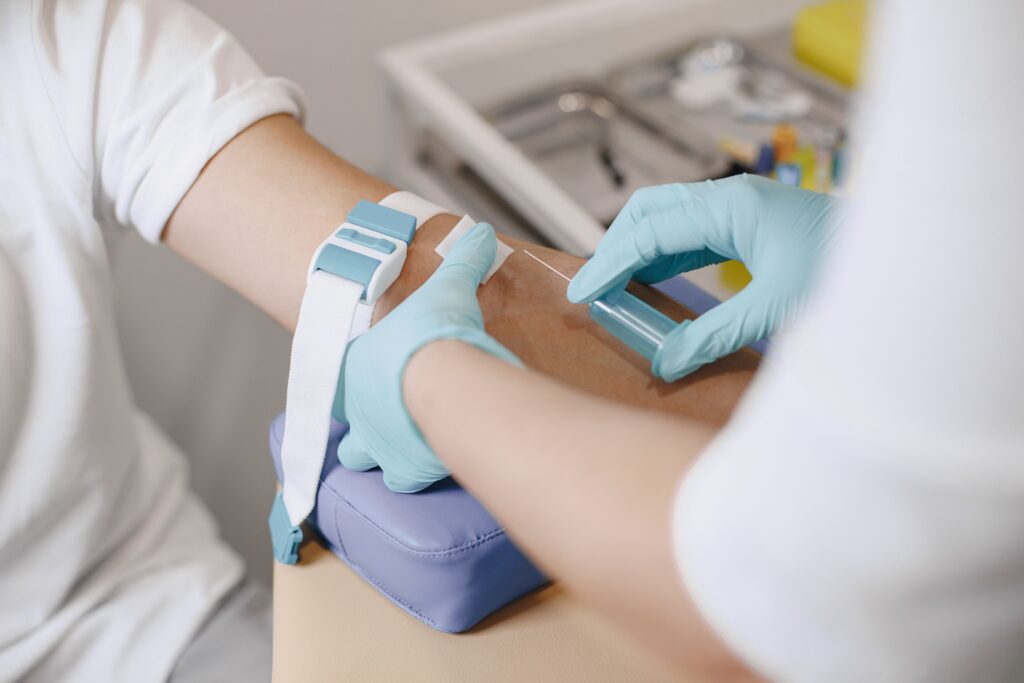
These effects explain why your doctor may ask whether you drank water before your blood specimen collection appointment. Fasting instructions for lab work usually apply to food, while water is often encouraged unless your doctor gives different instructions. In Las Vegas, where overnight dehydration may combine with fasting, that guidance carries extra weight. Practices with in-house lab services can coordinate follow-up draws if initial results raise questions about whether dehydration influenced the values.
Early Signs That Dehydration May Be Affecting Daily Health
Chronic low-grade dehydration differs from the acute version, which may send people to emergency care. Acute dehydration can produce more obvious symptoms, including severe thirst, dizziness, rapid heartbeat, and confusion. Chronic dehydration may be subtler. It may present as persistent headaches, dark-colored urine, dry or less elastic skin, mild constipation, or a general sense of fatigue that the patient has accepted as normal. Over time, those symptoms may become background noise and be attributed to everything except fluid intake.
Your primary care doctor may screen for signs of dehydration during a routine checkup by reviewing symptoms, checking vital signs, asking about daily fluid consumption, and considering urine color if a sample is collected. These assessments are simple, but they provide context that can shape how your doctor reads other data from the visit. A patient who reports drinking very little water each day in a city where heat exposure may increase fluid needs may be carrying a fluid deficit that helps explain several concerns discussed during the appointment.
Most adults use general water intake targets as a starting point, but those needs may increase with heat exposure, physical activity, sweating, certain medications, and some medical conditions. In the Las Vegas climate, physicians may suggest higher targets for patients who work outdoors, exercise in the heat, or take medications that promote diuresis. Tracking hydration does not require medical equipment. Monitoring urine color, noticing changes in energy after increasing water intake, and discussing those patterns at your next physician visit can give both the patient and the doctor a practical way to assess whether dehydration has been part of the clinical picture.
Primary Care Support for Hydration-Related Patterns
Addressing dehydration health effects in Las Vegas is not always a one-time conversation. It may become an ongoing part of the relationship between a patient and their primary care physician. Because hydration status can affect blood pressure, energy, lab accuracy, and medication interpretation, it becomes a variable that your doctor may track alongside weight, heart rate, and other vital signs. Patients with chronic conditions, particularly hypertension, diabetes, and kidney disease, may find that hydration management plays a larger role in their care plan than expected.
A practice that offers on-site diagnostics and lab testing can address hydration-related questions more efficiently. If a set of lab results looks inconsistent with a patient’s history, a repeat draw after intentional hydration may clarify the picture without immediately moving to additional specialist referrals. If blood pressure readings vary from visit to visit, tracking fluid intake between appointments may help explain the pattern. These are the kinds of connections a consistent primary care physician is positioned to make because they see the patient across multiple visits and multiple data points.
Living in the desert Southwest means accepting that the environment may affect health in ways that residents of other climates may not experience. Dehydration is not a concern reserved only for hikers and outdoor workers. It can be a daily variable for many people living in Las Vegas, and it may quietly influence the clinical markers that guide your healthcare decisions. Understanding that connection gives you a practical tool: a reason to track your water intake, bring that information to appointments, and ask your doctor how hydration may be affecting the results you see on your lab reports.

Preventive Care Conversations in a Hot Climate
A preventive care visit is an ideal time to discuss hydration, especially for patients who live in Las Vegas year-round. Your doctor may review your blood pressure, recent lab results, medication list, exercise habits, caffeine intake, alcohol use, and daily water intake together. This helps create a more complete picture of how your routine may be affecting your health markers.
Patients preparing for blood work may also benefit from asking whether water is allowed before the appointment. In many routine cases, water is encouraged before a fasting draw because it can make the blood draw easier and may support more accurate interpretation. Your doctor can provide specific instructions based on the test being ordered. For additional guidance, patients may review how fasting affects blood test results before their appointment.
A patient-centered approach to hydration is not about giving everyone the same water target. It is about matching recommendations to the patient’s health history, lifestyle, medications, and environment. For some patients, the focus may be on increasing fluid intake. For others, it may involve reviewing electrolytes, limiting alcohol, timing outdoor activity, or monitoring symptoms during periods of extreme heat. These conversations are part of a broader preventive care plan that supports long-term health rather than reacting only when symptoms become severe.
FAQ
Can Dehydration Affect Blood Pressure Medication in Hot Climates?
Yes, dehydration may affect blood pressure readings, especially for patients taking blood pressure medication. Lower fluid volume can sometimes cause readings to drop, while the body’s compensation response may cause temporary increases in other cases. Your primary care doctor can review patterns and determine whether hydration, medication timing, or further monitoring should be considered.
Can Dehydration Affect Blood Sugar Readings?
Dehydration may make blood sugar readings appear higher because glucose can become more concentrated in a smaller volume of blood. For patients managing diabetes or prediabetes, this can complicate interpretation. Drinking water before a fasting blood draw is often allowed, but patients should follow their doctor’s specific instructions.
How Much Water Should Las Vegas Residents Drink Each Day?
Daily water intake varies by age, activity level, medications, medical conditions, and heat exposure. Many adults use general hydration guidelines as a starting point, but Las Vegas residents may need more during hot months or outdoor activity. Your physician can help determine an appropriate target based on your health history and fluid balance needs.
Conclusion
Dehydration can affect how patients feel, how their blood pressure reads, and how certain lab results are interpreted. In a city like Las Vegas, where heat and dry air are part of daily life, hydration deserves a place in the conversation about preventive care, medication monitoring, and routine testing.
At Blue Point Medical Group, patients receive primary care that considers lifestyle, environment, lab trends, and long-term health goals together. If you have concerns about fatigue, fluctuating blood pressure, or recent lab results, schedule an appointment with Blue Point Medical Group today.
This article is for informational purposes only and does not constitute medical advice. Individual needs vary, and hydration recommendations may differ based on age, medications, medical history, kidney function, heart conditions, activity level, and symptoms. Always consult your physician or a qualified healthcare provider for questions about your health or before making changes to your treatment plan.