
Prediabetes has become increasingly common in the United States, affecting millions of adults who may not realize their blood sugar levels are trending higher than normal. Many people do not notice early warning signs because symptoms may be subtle or attributed to everyday fatigue, stress, or lifestyle changes. Yet recognizing these early signals may help individuals take proactive steps that support better long-term wellness.
At BluePoint Medical Group, our licensed healthcare providers guide patients through preventive care, medical wellness services, and evidence-informed monitoring to help them understand their health risks and make empowered decisions. While every person’s health profile is unique, learning about the potential signs of prediabetes and early management approaches may encourage earlier conversations with a primary care provider.
Understanding What Prediabetes Means for Your Health
Prediabetes occurs when blood glucose levels are elevated but not high enough to meet diagnostic criteria for diabetes. Many individuals do not realize they have it until a routine blood test—such as a fasting blood sugar test or A1C—indicates that their body processes glucose differently than before.
Healthcare organizations like the American Diabetes Association note that prediabetes does not guarantee diabetes will develop; however, it may signal an increased risk that should be taken seriously. Recognizing this phase may allow individuals to adopt healthier habits that support metabolic function and overall well-being.
How Insulin Resistance Develops
Patients often ask what causes higher or fluctuating blood sugar. One key factor is insulin resistance, a process in which the body’s cells do not use insulin as effectively. When this occurs, the pancreas must work harder to produce enough insulin to regulate glucose levels.
Over time, this may contribute to elevated blood sugar levels, especially after meals. Some people may also experience difficulty maintaining a healthy weight or notice changes in how their body reacts to certain foods.
Insulin resistance may be influenced by family history, excess weight, a sedentary lifestyle, or medical conditions such as polycystic ovary syndrome (PCOS). Each person’s risk profile varies, which is why professional evaluation is important.
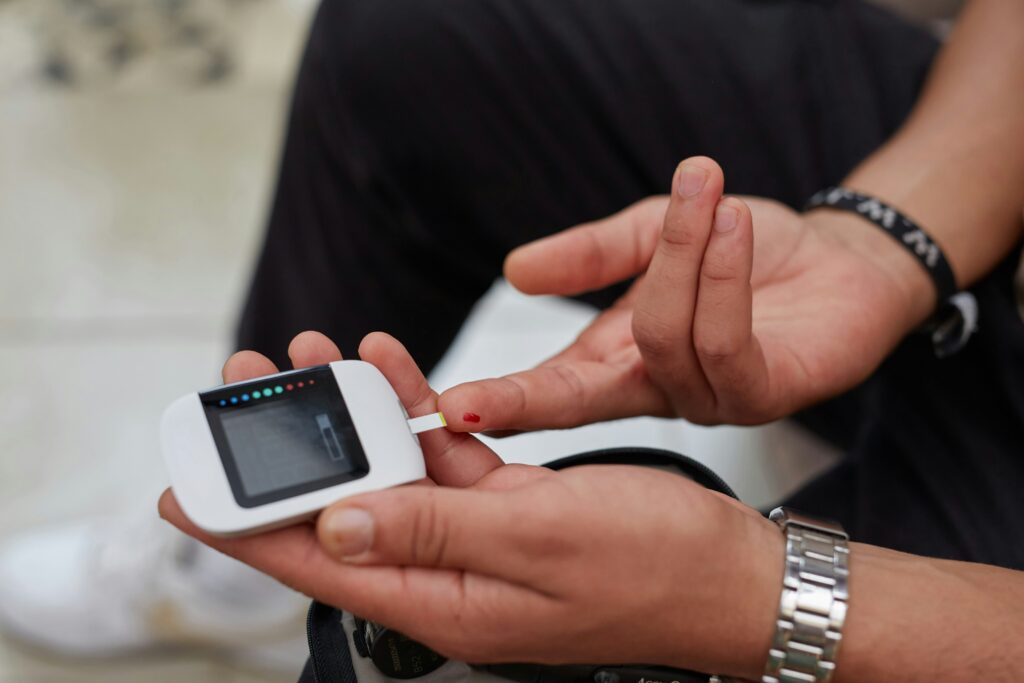
Common Early Warning Signs of Prediabetes
Not everyone experiences symptoms, but some individuals report subtle changes that may warrant attention. These do not diagnose prediabetes but may encourage people to seek medical advice sooner.
- Increased Fatigue or Reduced Energy (physical fatigue + fluctuating blood sugar levels). Some individuals feel more tired, especially after eating. This may be related to how the body uses glucose for energy.
- Increased Thirst or Frequent Urination (high blood sugar + excess glucose). When blood sugar rises, the kidneys may work harder to remove excess glucose, which may increase water loss.
- Blurred Vision or Visual Fluctuations (early diabetes symptoms + blood vessels). Temporary changes in fluid balance around the eye may affect vision. Persistent visual concerns should always be evaluated by a provider.
- Darkened Skin Patches (early warning signs + insulin function). Some individuals notice dark, velvety skin in areas like the neck or underarms. This condition, acanthosis nigricans, may appear in people experiencing insulin resistance.
- Increased Hunger Without Weight Gain (increase food intake + weight changes). When the body does not use glucose effectively, some people feel hungry shortly after eating.
- Frequent Infections (urinary tract infections + impaired blood circulation). Higher glucose may affect the body’s natural defenses, making some infections more common.
These signs are not exclusive to prediabetes, and only a medical evaluation—including the appropriate blood tests—can help determine whether glucose levels fall into a prediabetic range.
Major Risk Factors That May Increase the Likelihood of Prediabetes
Understanding risk factors helps individuals and providers make informed decisions about testing and lifestyle guidance. Some commonly recognized risk factors include:
- Family history of type 2 diabetes
- Higher body weight or carrying excess weight around the abdomen
- History of gestational diabetes
- High blood pressure
- Sedentary lifestyle or low physical activity levels
- Certain medical conditions, including polycystic ovary syndrome
- Higher-risk ethnic backgrounds, as identified by public health organizations
- History of heart disease or vascular concerns
These factors do not guarantee that a person will develop prediabetes, but they may increase the likelihood, making proactive health management essential.
How Prediabetes Is Diagnosed
Licensed healthcare providers may use one or more tests to assess glucose levels:
- Fasting Blood Sugar Test
Measures blood glucose after a period without food. Elevated levels may indicate impaired glucose regulation. - A1C Test
Provides an estimate of average blood sugar levels over two to three months. - Oral Glucose Tolerance Test
Evaluates how the body manages sugar after ingestion.
These tests allow providers to evaluate whether an individual’s glucose levels fall into typical, prediabetic, or diabetic ranges.
Why Early Attention Matters
Identifying potential issues early may help individuals explore adjustments that support healthier glucose regulation. Many people report that early detection motivates them to adopt habits that contribute to wellness, balanced nutrition, and regular physical activity.
While lifestyle shifts do not guarantee a specific outcome, supportive changes—guided by a healthcare professional—may help individuals manage blood sugar levels more effectively and understand how their body responds to different factors.
Healthy Lifestyle Changes That May Support Blood Sugar Balance
Early management strategies often begin with foundational lifestyle changes. These strategies are individualized and may vary depending on a person’s overall health, age, weight, and other risk factors.
A. Nourishing the Body With a Balanced Diet – healthy foods + balanced diet
Choosing whole foods, lean proteins, vegetables, and fiber-rich meals may support glucose stability. Licensed clinicians or registered dietitians can help personalize a plan that aligns with a patient’s needs and preferences.
B. Increasing Daily Physical Movement – moderate intensity physical activity + healthier lifestyle
Engaging in activities such as walking, swimming, cycling, or strength-building exercises may help the body use glucose more efficiently. Even small increases in movement may support overall wellness.
C. Achieving and Maintaining a Healthy Weight – lose weight + weight gain concerns
Reaching a healthier weight—when appropriate and supervised by a provider—may support how the body uses insulin. Progress often varies from person to person.
D. Stress Management and Mental Wellbeing – mental health + proactive health management
Chronic stress may influence hormones that affect blood sugar. Mindfulness, counseling, or relaxation strategies may be supportive.
These lifestyle adjustments are not guaranteed to reverse prediabetes, but many individuals find they feel better and more empowered when incorporating healthier habits into their daily routines.

The Role of Ongoing Monitoring
Monitoring blood sugar over time allows providers to evaluate changes, understand trends, and make personalized care recommendations. Regular visits may include:
- Reviewing blood pressure, body weight, and nutritional intake
- Evaluating glucose levels through periodic testing
- Discussing health changes, symptoms, and daily habits
This ongoing partnership helps patients stay informed and engaged in their wellness journey.
How BluePoint Medical Group Supports Patients With Prediabetes Concerns
BluePoint Medical Group offers a compassionate, patient-centered approach to preventive care, including guidance for those who may be experiencing signs of prediabetes. Our licensed providers help individuals:
- Understand their risk factors
- Interpret blood test results
- Explore lifestyle adjustments
- Monitor ongoing changes in health
Every individual’s journey is unique, and our team prioritizes education, support, and early detection to help patients make informed decisions.
FAQs
What are the earliest signs of prediabetes that people may notice?
Some individuals report increased fatigue, greater thirst, more frequent urination, blurred vision, or darkened skin patches. These symptoms do not diagnose prediabetes but may encourage a medical evaluation.
Can prediabetes go away with lifestyle changes?
Some people experience improved blood sugar levels after adjusting their diet, increasing physical activity, or achieving a healthier weight. However, outcomes vary, and individualized guidance from a licensed provider is important.
How often should blood sugar be tested if I’m at risk?
A primary care provider may recommend periodic testing based on your risk factors, age, weight, and family history. Regular assessments help track trends and guide health decisions.

Conclusion
Recognizing potential signs of prediabetes may encourage individuals to explore meaningful lifestyle changes and connect with a trusted provider. Early attention may support healthier habits, more stable blood sugar patterns, and increased understanding of personal wellness needs.
If you are experiencing symptoms, have risk factors, or simply want a proactive evaluation of your metabolic health, the providers at BluePoint Medical Group are here to help. Our team offers comprehensive care designed to guide you toward informed, confident, and sustainable choices.
Ready to take the next step in your health journey? Contact BluePoint Medical Group todayto schedule a wellness consultation.