
Preparing for common lab tests can feel confusing or even stressful, especially when instructions vary between different types of laboratory tests. Many patients arrive at a patient service center unsure whether they should fast, take medications, avoid exercise, or adjust daily routines. These details matter more than most people realize, as preparation plays a meaningful role in the accuracy of test results.
Preparation for lab tests varies depending on the test. Always follow specific preparation instructions from your healthcare provider, and ask if you have questions or concerns about test preparations.
At BluePoint Medical Group, laboratory testing is approached as a critical part of preventive care, diagnostic testing, and long-term health planning. Accurate results help healthcare professionals better understand what is happening inside the body and support informed clinical decisions. This guide explains how to prepare for blood tests, genetic testing, and other common lab tests in a clear, practical way—so patients feel confident before their visit.
Why Proper Preparation Matters for Laboratory Tests
Laboratory medicine measures subtle changes in the bloodstream, tissues, or other samples collected from the body. Impact factors measured during testing—such as blood sugar, cholesterol, or liver enzymes like aspartate aminotransferase—can fluctuate based on food, exercise, medications, and even stress.
Proper patient preparation helps reduce variables that could affect results. While no test is perfect and individual biology varies, following instructions can support more reliable data and reduce the likelihood of repeat testing.
Understanding Common Lab Tests and What They Measure
Common lab tests include blood work, urine tests, and specialized diagnostics such as genetic testing. Blood tests may assess blood sugar, cholesterol, vitamin levels, or markers linked to disease risk. Other tests analyze how organs function or how the body responds to certain conditions.
Each test has unique requirements. Some tests require fasting, while others depend on timing, recent activity, or medication use. Knowing what a test evaluates helps patients understand why preparation instructions exist.

Fasting Before Blood Tests: What It Really Means
Fasting means you should not eat or drink anything except water for up to several hours or overnight before your test. Fasting means avoiding food and caloric beverages for several hours—typically 8 to 12—before a blood draw. Water is usually allowed unless otherwise instructed. Fasting improves accuracy for tests that measure blood sugar, cholesterol, or substances affected by digestion.
Not all blood tests require fasting. Some tests may even require that patients eat normally beforehand. Always confirm whether your test requires fasting rather than assuming.
How Eating and Drinking Can Affect Test Results
Foods, alcohol, and supplements can temporarily alter substances in the bloodstream. Eating shortly before certain tests may raise glucose or lipid levels, while alcohol can influence liver markers and hydration status.
Herbal remedies, vitamins, and energy drinks may also affect results. Being transparent about recent intake helps the lab professional interpret findings more accurately.
Medications and Supplements: What to Discuss Before Testing
Prescription medications, over-the-counter medicines, and supplements can influence lab values. Some tests require temporarily stopping certain medications, while others require continuing them as prescribed.
Patients should talk with their doctor before stopping any medication. Never discontinue treatment without guidance from a healthcare provider, even if fasting or special preparation is required.
Exercise, Physical Activity, and Lab Accuracy
Strenuous exercise before testing may temporarily alter muscle enzymes, hormone levels, and blood chemistry. For certain tests, avoiding intense workouts for 24 hours may help reduce variability.
Light daily movement is usually acceptable, but patients should ask if activity restrictions apply to their specific test.
Timing Matters: Why Early Morning Tests Are Common
Many laboratory tests are scheduled in the early morning because fasting is easier overnight, and certain biomarkers follow daily rhythms. Hormones and blood sugar levels can vary throughout the day.
Early testing supports consistency and helps healthcare professionals compare results over time.
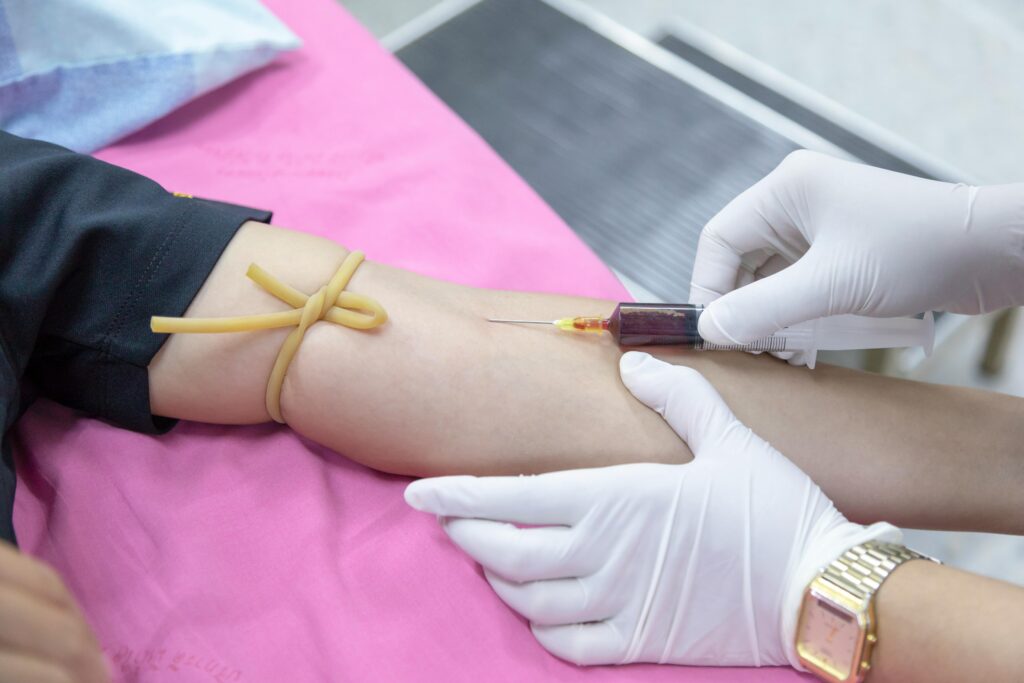
Hydration and Sample Collection
Being well-hydrated can make sample collection easier and may reduce discomfort during a blood draw. Dehydration can sometimes concentrate blood components, potentially affecting results.
Drinking water is typically encouraged unless specifically restricted.
Special Considerations for Genetic Testing
Genetic testing often has fewer preparation requirements, but patients may need to avoid eating, drinking, or smoking shortly before saliva-based tests. Blood-based genetic testing follows standard blood draw protocols.
Because genetic tests evaluate inherited information, results are not influenced by daily habits—but proper sample collection remains essential.
Sexual Activity, Alcohol, and Lifestyle Factors
Some tests may be influenced by recent sexual activity, alcohol intake, or sleep patterns. These factors can temporarily alter hormone levels or inflammatory markers.
Patients should follow any special instructions provided and ask questions if guidance is unclear.
What to Bring to Your Lab Appointment
Patients are typically asked to bring identification, insurance information, and any required forms. Knowing whether results are sent directly to your physician or reviewed during a follow-up visit can also reduce uncertainty.
Arriving prepared helps streamline the visit and supports accurate sample handling.
Communicating With Lab Professionals and Healthcare Providers
Open communication is essential. Patients should inform the lab professional about their fasting status, recent illnesses, medications, or symptoms. Small details may help contextualize results.
If instructions were unclear, it is always appropriate to ask your doctor or healthcare provider for clarification.
How Preparation Supports Accurate Diagnosis and Treatment
Accurate lab results help healthcare professionals assess risk factors, confirm or rule out disease, and guide treatment decisions. Preparation does not guarantee outcomes, but it may reduce preventable inaccuracies.
Reliable data supports better clinical conversations and more personalized care planning.

When Tests Need to Be Repeated
Even with careful preparation, some tests may need to be repeated due to biological variation, technical issues, or unexpected findings. Repeat testing is a normal part of laboratory medicine and not necessarily a cause for concern.
Your provider will explain the next steps if additional testing is recommended.
Special Populations and Individual Factors
Age, pregnancy, chronic conditions, and ongoing treatments may influence preparation requirements. What applies to one person may not apply to another.
This is why personalized guidance from a healthcare provider matters more than generic instructions.
Preparing With Confidence: A Calm, Informed Approach
Understanding how preparation affects lab testing can reduce anxiety and support a smoother experience. Small actions—fasting when required, staying hydrated, communicating openly—can make a meaningful difference.
Being informed empowers patients to participate actively in their own health care.

FAQ
Do all blood tests require fasting?
No. Some blood tests require fasting, while others do not. Always confirm with your healthcare provider or lab professional before your appointment.
Can I drink water before a lab test?
In most cases, water is allowed and encouraged. However, follow any specific instructions provided for your test.
Should I stop taking medications before testing?
Do not stop taking medications unless your doctor specifically instructs you to do so. Always discuss medications and supplements before testing.
Conclusion: Take the Next Step With Confidence
Preparing for common lab tests is an important part of supporting accurate results and informed medical care. By understanding fasting requirements, medication considerations, lifestyle factors, and timing, patients can approach testing with greater confidence and clarity. While individual results vary and some tests have specific risks or limitations, proper preparation helps reduce avoidable variables.
If you have questions about upcoming lab work or need guidance tailored to your health history, contact BluePoint Medical Group to schedule a consultation or speak with a healthcare professional. Our team is here to support your well-being with clarity, care, and professionalism.