
When patients ask how preventive care helps reduce long-term medical costs, they’re usually asking a bigger question: How do I stay healthy without getting surprised by expensive health problems later? With rising health care costs and confusing coverage rules, it can feel like you only interact with the health care system when something goes wrong—often after the issue has already grown.
Preventive care is different. It’s not just a checkbox or annual wellness visits for “healthy people.” It’s a structured way to identify risk factors, support disease prevention, and make small interventions earlier—when they may be simpler, less disruptive, and sometimes more cost-effective than waiting.
At BluePoint Medical Group, preventive care is part of a long-term plan for patient health and whole-person well-being. The goal is not to promise you’ll never get sick, but to use clinical preventive services, screening, and lifestyle counseling to support better health outcomes, reduce avoidable complications, and help you make informed choices about where to invest resources in your health.
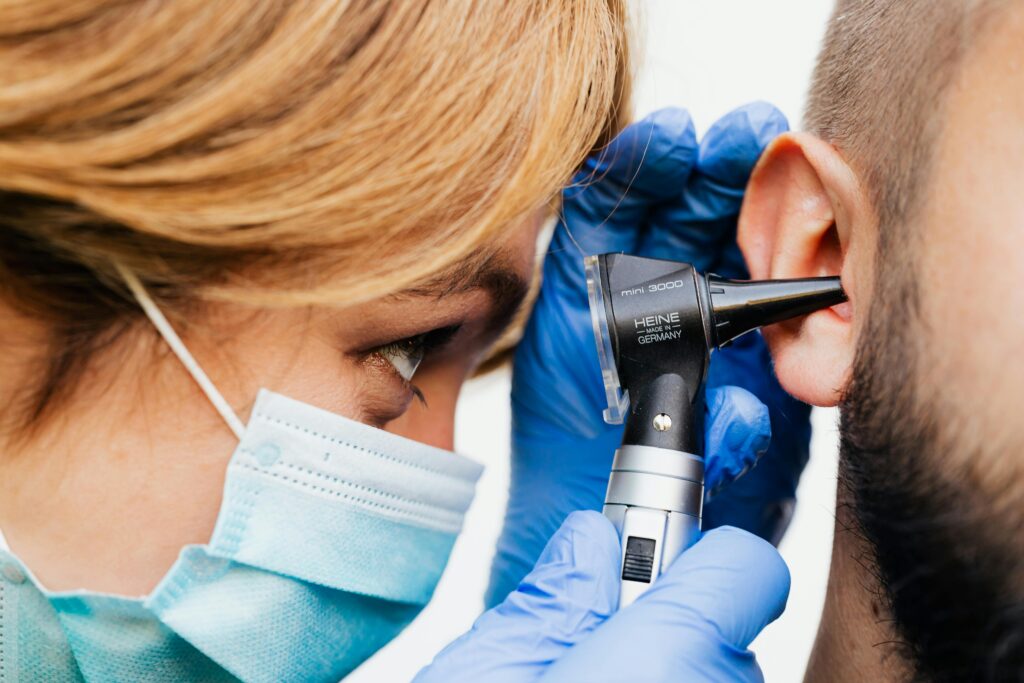
What Preventive Care Actually Includes and How It Fits Real Primary Care Visits
Many people hear “preventive” and think only of routine physicals, but preventive care services can include screenings, vaccines, counseling, and chronic risk monitoring. The CDC describes preventive care as including checkups, health screenings, vaccines like flu shots, and education that helps patients make informed decisions.
In a primary care setting, preventive health care is designed to connect your current life—sleep, stress, work patterns, diet, and movement—to measurable risk. That’s why your clinician may talk about physical activity, blood pressure trends, family history, and mental health even when you feel “normal.” Prevention is about preventing future disruption, not proving you’re fine.
Preventive care also supports continuity. When your primary care providers know your baseline and track changes over time, they can spot early shifts that might otherwise be missed. This long-view approach strengthens patient trust and helps you decide what to prioritize based on your goals and your risk profile.
Clinical Preventive Services and Why They’re More Than “Routine” Care
Clinical preventive services are evidence-informed services delivered in health care settings—like screening tests, vaccines, and counseling—that aim to prevent disease or detect it early. They’re commonly guided by national recommendations (including the USPSTF), but your clinician still tailors timing and selection to your history, age, and preferences.
This matters for decision-making because it prevents “random testing.” When you understand the purpose of each test—what it screens for, what a result means, and what follow-up might look like—you can choose prevention that supports your life instead of adding stress. In practice, prevention should feel like clarity, not overwhelm.
It also helps patients avoid common misconceptions. Not every screening saves money in every scenario, but many provide meaningful health benefits and can be worthwhile because they reduce risk, detect issues earlier, or support safer long-term planning.
Primary Prevention, Secondary Prevention, and Tertiary Prevention—What They Mean for Everyday Patients
Primary prevention focuses on preventing disease before it starts, often through vaccines, lifestyle support, and risk-factor management. Think of it as keeping the first domino from falling by reducing exposure and vulnerability through preventive measures and healthier habits.
Secondary prevention is about early detection—finding disease early when intervention may be simpler, such as preventive screenings and targeted monitoring. In a busy life, this can be especially valuable because it may reduce the chance of discovering a condition only when it becomes symptomatic and disruptive.
Tertiary prevention focuses on limiting complications of a known disease—often through structured follow-up, rehabilitation, and disease-control strategies. For patients already living with chronic disease, tertiary prevention can reduce flare-ups, protect function, and sometimes lower the costs tied to hospitalization and advanced complications.

How Preventive Health Care Helps Reduce Chronic Disease Impact over Time
Most long-term costs in health care are driven by ongoing disease management, not one-time visits. Conditions like heart disease, diabetes, chronic kidney disease, and depression often require continuous treatment, laboratory tests, and sometimes hospitalization. Preventive care can’t prevent every illness, but it can help patients reduce risk, detect changes earlier, and avoid delayed care that becomes more complex.
This matters because chronic illness is not only medical—it affects work, family routines, sleep, and mental bandwidth. When preventive care supports maintaining health, patients often experience more stability and fewer crisis moments that interrupt life. In economic terms, stability can reduce expensive “catch-up” care and support better long-term resource planning.
A key concept is compounding. Small improvements—blood pressure control, healthier activity patterns, vaccination, and timely screening—may add up to fewer complications later. Prevention is not magic; it’s steady risk management aimed at better long-term outcomes.
How Preventive Care Helps Reduce Long-Term Medical Costs without Overpromising
A common misconception is that all preventive care automatically “saves money.” In reality, research has long noted that some preventive services save money, while others are better described as a “good value” because they improve health even if they don’t reduce total spending. That distinction matters because it keeps expectations realistic and supports smarter decision-making.
What patients often want is cost savings, but the more reliable frame is value-based care—the health benefit you gain per dollar invested. Preventive care can be “worth it” because it improves outcomes, reduces disability, or prevents complications, even if it doesn’t always lower total system spending in every case.
The most patient-centered goal is to generate savings where possible by reducing avoidable complications and using prevention to prioritize high-impact interventions. That’s how prevention becomes cost-effective: it helps focus care on earlier, simpler actions that can reduce risk and preserve function.
Cost Savings vs. Cost-Effective Prevention
Cost savings mean spending less overall, while cost-effectiveness means the health benefits justify the cost compared to alternatives. Many prevention efforts aim for cost-effectiveness rather than guaranteed savings because improved health is still valuable even when total spending doesn’t drop.
For patients, this matters because it shapes expectations about what prevention can do. You may not “save money” immediately, but you might reduce the chance of expensive complications later or avoid missed work, prolonged symptoms, and escalating treatment complexity. In that sense, prevention can support both medical stability and financial stability.
It also helps you decide where to put energy. High-impact prevention often focuses on modifiable risks—blood pressure, smoking, physical activity, sleep, stress, and timely screening—because these areas can influence multiple conditions at once.
Health Insurance, Annual Wellness Visits, and Why Access Influences Outcomes
Coverage determines access, and access shapes outcomes. In the United States, many recommended preventive services are covered under health insurance rules (often tied to USPSTF recommendations), which can reduce out-of-pocket barriers for patients who might otherwise delay care.
This matters because prevention only works if people can use it. When coverage supports annual wellness visits, patients are more likely to establish baselines, update vaccines, complete screenings, and have consistent conversations about risk and mental health. That continuity supports better health outcomes and stronger preventive follow-through.
Even with coverage, barriers remain—time off work, transportation, distrust, and confusion about what’s included. That’s why primary care teams often emphasize clarity: what the visit includes, why it matters, and how it supports your personal goals.
The Role of Health Care Providers and the Health Care System in Prevention Strategy
Prevention is not just a patient responsibility; it’s a systems issue. Health care providers help patients interpret risk, choose appropriate services, and avoid unnecessary testing. A well-functioning health care system supports reminders, follow-up, and coordination so patients don’t fall through the cracks.
This matters for decision-making because fragmented care is expensive and stressful. When preventive care is coordinated, patients are more likely to complete screenings on time and address early abnormalities before they become complex problems. That coordination is one of the hidden ways prevention can influence long-term cost and stability.
It also supports trust. When patients feel heard, they’re more likely to return for follow-up and engage with prevention plans. That patient trust can influence adherence and outcomes just as much as any single test.

Preventive Services That Often Make the Biggest Difference for Future Health and Costs
Some prevention efforts are high-impact because they reduce severe outcomes or catch disease early. These include vaccines (like flu shots), blood pressure checks, and certain preventive screenings that detect cancer or metabolic disease earlier. The CDC and Healthy People 2030 emphasize preventive care for reducing the risk of disease and death, even though uptake remains uneven.
From a patient perspective, impact is about matching services to your risk and age. A screening test that’s appropriate for one person may not be appropriate for another, which is why preventive care works best when guided by a clinician who knows your history.
This section isn’t about doing “everything.” It’s about choosing the right care services at the right time, with the right follow-up plan, so prevention is efficient and realistic.
Health Screenings, Screening Tests, and Cancer Screenings as a Practical Form of Early Detection
Health screenings and screening tests are a core part of secondary prevention—they look for disease before symptoms appear. When used appropriately, screening may allow earlier intervention, which can be less intensive than treating advanced disease. That’s one reason early detection is often discussed as both a health and cost strategy.
For example, evidence-based screening recommendations aim to balance benefits and harms, not just detect everything. Some screening programs are studied for cost-effectiveness, including certain approaches to lung cancer screening, showing how prevention is evaluated using real-world models—not assumptions.
For patients, the decision-making takeaway is to ask: Why am I getting this test? What happens if it’s abnormal? What is the follow-up pathway? That understanding prevents fear and supports better follow-through.
Disease Prevention Strategies for Metabolic Risk, Including Diabetes Prevention and Monitoring
Preventing metabolic disease is often a blend of primary prevention and early monitoring. When clinicians identify risk factors early—family history, blood pressure trends, weight changes, sleep issues—they can offer lifestyle counseling and structured follow-up that supports long-term risk reduction.
If someone is developing diabetes, prevention may involve monitoring laboratory values, reviewing nutrition patterns, and supporting activity goals. For some patients, this is a gateway to broader improvements because metabolic risk often links to heart disease and kidney outcomes.
This isn’t about blame. It’s about giving patients tools and support so risk is managed earlier, when change may feel more achievable, and when the downstream cost and health burden may be lower.
Preventive Screenings and Vaccines Like Flu Shots as Protection against Avoidable Disruption
Vaccines are often overlooked in cost conversations, but illness prevention can reduce missed work, complications, and secondary infections. Flu shots, for example, may reduce the likelihood of severe flu outcomes and related complications in higher-risk patients, even if they don’t prevent every infection.
From a patient standpoint, this matters because illness creates ripple effects—childcare disruptions, lost wages, and medical visits. Prevention that reduces illness severity or frequency can support both well-being and financial stability, especially for families balancing multiple responsibilities.
Vaccines are also an example of prevention that benefits the individual and the community, aligning with public health goals and helping reduce strain on the health care system during high-demand seasons.

FAQ
Does preventive care always save money?
Not always. Some preventive services produce direct cost savings, while others are better described as cost-effective because they improve health outcomes even if total spending doesn’t decrease. What matters most is choosing high-value services that fit your risk profile. Preventive care can still support financial stability by reducing avoidable complications, improving function, and helping patients plan early rather than reacting late.
What preventive care services usually have the biggest health impact?
High-impact prevention often includes health screenings, evidence-based preventive screenings, vaccines like flu shots, blood pressure monitoring, and targeted lifestyle counseling—all tailored to age and risk. Your clinician can help prioritize what matters most so prevention feels focused, not overwhelming.
How do annual wellness visits help with future health care costs?
Annual wellness visits can help establish baselines, identify emerging risk factors, and keep screening and vaccination schedules on track. That continuity may reduce delayed diagnoses and guide earlier interventions that are often simpler to manage. They also create space to address mental health, sleep, and lifestyle patterns that influence chronic disease risk and long-term stability.
Conclusion
How preventive care helps reduce long-term medical costs is best understood as a value strategy, not a promise. Preventive care supports earlier detection, better risk management, and more consistent planning—especially for chronic disease risks like high blood pressure, metabolic changes, and stress-related patterns. That may reduce complications, help patients avoid delayed care, and improve stability and quality of life over time.
Preventive care also strengthens decision-making. When you have a trusted relationship with primary care providers and a plan that fits your real life, you’re more likely to follow through on screenings, lifestyle support, and mental health care—steps that can improve outcomes and sometimes reduce future utilization. The goal is not perfection, but consistent forward motion.
If you want a preventive plan designed around your risks, your schedule, and your long-term goals, contact BluePoint Medical Group to schedule an appointment. A licensed provider can review your history, recommend appropriate preventive services, and help you build a realistic strategy for maintaining health—now and in the years ahead.