
Beginning your healthcare journey with diagnostic testing can feel unfamiliar, especially if it’s your first visit or your first set of laboratory tests. This guide is intended for new patients preparing for their first diagnostic testing experience. Understanding the process is important because it helps you feel more confident, ensures accurate results, and supports your long-term health journey. Questions about preparation, timelines, and results are common. This diagnostic testing guide for new patients is designed to help you navigate the process with clarity and confidence—so you know what to expect, how to prepare, and how testing supports long-term health planning.
At BluePoint Medical Group, diagnostic services are approached as a partnership. Tests are selected thoughtfully, explained clearly, and interpreted by qualified healthcare professionals who consider your full medical history, current symptoms, and wellness goals. Whether you’re establishing primary care, monitoring ongoing conditions, or following up on new concerns, diagnostic testing plays a central role in informed, personalized care.
Key Diagnostic Test Types: Definitions and Purposes
- Laboratory tests involve the analysis of biological samples such as blood, urine, saliva, or tissue to gather measurable data about overall health, identify imbalances, and support clinical evaluation of symptoms or ongoing conditions.
- Imaging tests use technologies like X-rays, MRIs, CT scans, and ultrasounds to create detailed images of internal structures, helping providers assess organs, bones, and soft tissues without surgical intervention.
- Genetic testing focuses on analyzing DNA to identify inherited traits, variations, or potential predispositions that may influence disease risk or guide personalized healthcare decisions.
- Biopsies require the removal of a small tissue sample so it can be examined microscopically, often to better understand abnormal findings or clarify uncertain diagnostic results.
- Endoscopy utilizes a flexible instrument equipped with a camera and light to visually examine internal areas of the body, allowing clinicians to investigate symptoms directly and, when necessary, collect tissue samples.
- Physiological function tests measure how specific organs or systems are working—such as cardiac, pulmonary, or neurological function—to assess performance, detect abnormalities, or monitor chronic conditions.
Why Diagnostic Testing Matters in Modern Healthcare
Diagnostic tests provide objective information that helps clinicians understand what’s happening inside the body. From blood tests that measure cholesterol levels or blood glucose, to imaging tests that visualize internal structures, these tools support accurate evaluation and careful decision-making.
Rather than diagnosing in isolation, healthcare providers use many diagnostic tests to monitor organ function, detect infections, evaluate risk factors, and guide follow-up care. Testing is rarely about a single number; it’s about patterns, trends, and how results align with your symptoms and health history.
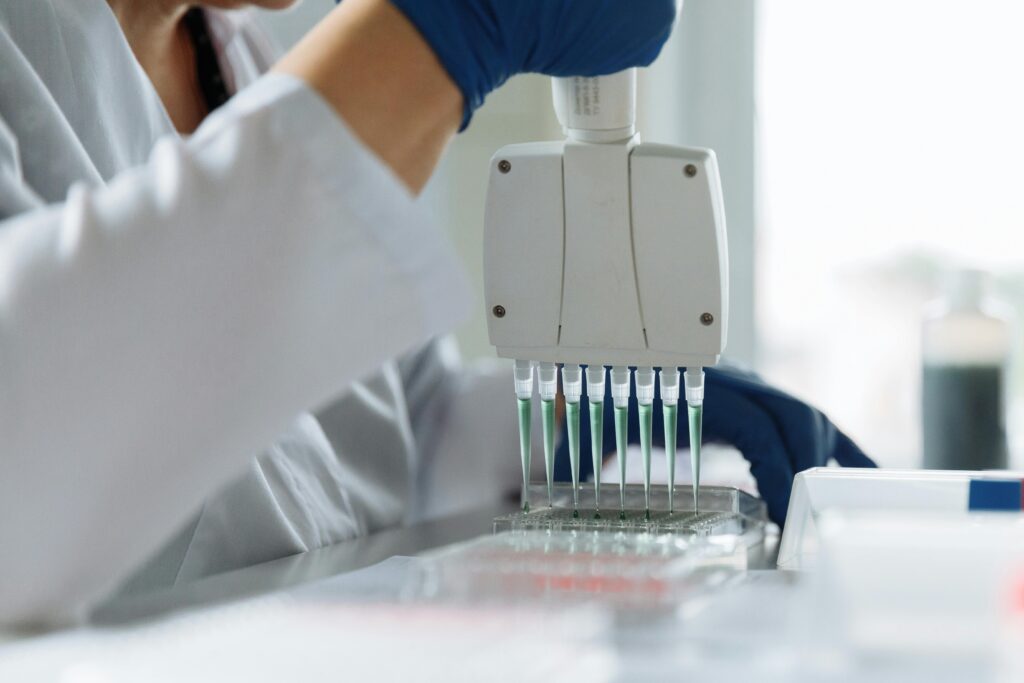
What New Patients Should Know Before Their First Lab Visit
Diagnostic testing for new patients starts with a history and physical exam, followed by blood tests and imaging. The initial evaluation includes a clinical interview and physical exam to identify symptoms and establish a working diagnosis.
For new patients, the testing process often begins after an appointment with a doctor or other licensed provider. During this visit, your provider will explain which tests may be helpful and why they’re being ordered.
You’ll also receive special instructions if certain tests require fasting, medication adjustments, or timing considerations. Understanding these details in advance helps reduce stress and supports accurate results.
Common Types of Diagnostic Tests Explained
Blood Tests: Understanding What They Measure
Blood tests are among the most frequently ordered diagnostic tools. A complete blood count can offer insight into overall health by evaluating red cells, white cells, and platelets. Other blood tests may measure cholesterol levels, assess liver and kidney organ function, or screen for signs of infection.
Some blood tests, such as a fasting blood glucose or lipid profile, require avoiding food for several hours beforehand. Your healthcare team will clarify whether you should avoid eating, continue certain medications, or stay hydrated before your appointment.
Urine Tests: What Samples Can Reveal
Urine tests provide valuable information about kidney health, hydration, metabolic function, and potential infections. These tests often require a simple sample collected at the lab.
In some cases, special preparation may be recommended, such as avoiding certain foods or medications before the test. Clear instructions help ensure the sample accurately reflects your current health status.
Imaging Tests: Seeing Beyond the Surface
Imaging tests allow providers to visualize structures that cannot be assessed through lab work alone. X-rays, CT scans, and ultrasounds are commonly used to examine bones, organs, and soft tissues.
Most imaging tests do not require extensive preparation, but some CT scans may involve contrast material or specific timing. You may be asked to wear comfortable clothing and remove metal objects to improve image quality.
Genetic Testing: When Specialized Insight Is Needed
Genetic testing may be recommended in certain situations, such as evaluating inherited conditions or assessing specific cancer-related risks. Guidance from a qualified healthcare provider is essential, as results can be complex and may have implications for family members.
Organizations like the National Cancer Institute provide research-based resources that help inform how genetic data is interpreted within broader care plans.

Preparing for Diagnostic Tests: Practical Tips That Matter
Proper preparation is essential for accurate results and a smooth testing experience. Below are key steps and tips for new patients:
Fasting and Hydration
- Many diagnostic tests, particularly blood tests, require fasting or avoiding certain foods before the procedure. Fasting means you should not eat or drink anything except water for up to several hours or overnight before your test.
- For many tests, such as blood draws or urine tests, staying hydrated is important. Drinking plenty of water the day before and the day of your test can help ensure you can provide an adequate sample.
Medications and Supplements
- If you’re unsure about medications or supplements, talk with your provider before your appointment rather than stopping them on your own.
- Documentation of current medications, symptoms, and questions is crucial for ensuring all information is considered during diagnosis.
What to Bring
- A valid photo ID along with your insurance card, so your information can be verified accurately at check-in.
- Any test orders, referral forms, or written instructions provided by your healthcare provider help ensure the correct services are performed.
- Arriving 10–15 minutes early is recommended to allow time for registration, insurance confirmation, and any required paperwork before your appointment begins.
Managing Anxiety
- If you feel anxious about needles or enclosed spaces during diagnostic tests, let the staff know. Anxiety management techniques may be offered to help you feel more comfortable.
What Happens During the Testing Appointment
At the lab, trained professionals guide you through each step of the process. Blood draws are typically brief, and imaging appointments are conducted with attention to comfort and privacy.
If you feel anxious, let the staff know. Healthcare teams are accustomed to addressing concerns and can explain each step as it happens, helping the visit feel more manageable.
After the Test: Understanding Results and Timelines
Test results are not always immediate. Some lab findings return within hours, while others may take days, depending on the complexity of the analysis and whether samples are sent to specialized laboratories.
Your healthcare provider will review results in context, considering symptoms, medical history, and prior tests. Reliable organizations such as the Cleveland Clinic emphasize that interpretation matters as much as the numbers themselves.

Follow-Up Care: What Comes Next
Results often guide next steps, which may include additional testing, lifestyle recommendations, or monitoring over time. Not every abnormal result indicates a serious issue, and not every normal result answers all questions.
Follow-up appointments allow you to talk through findings, ask questions, and adjust your care plan as needed. This collaborative approach supports long-term health rather than one-time decisions.
Insurance, Coverage, and Practical Considerations
Coverage for diagnostic tests varies by insurance company and individual policy. Verifying benefits in advance can help avoid surprises.
BluePoint’s team can assist with confirming coverage and explaining any potential out-of-pocket costs, so financial concerns don’t overshadow your care experience.
The Role of Diagnostic Testing in Preventive Wellness
Beyond diagnosing illness, testing plays a key role in monitoring health over time. Routine labs can identify subtle changes before symptoms develop, supporting preventive strategies and informed lifestyle choices.
When combined with regular medical visits, diagnostic testing contributes to quality, patient-centered care focused on longevity and well-being.
When to Ask Questions or Voice Concerns
Patients are encouraged to speak up if instructions are unclear or if concerns arise before or after testing. Clear communication helps ensure that testing aligns with your needs and values.
No question is too small—understanding the why behind each procedure builds trust and confidence.

FAQ Schema
What diagnostic tests commonly require fasting?
Some blood tests, including:
- Fasting blood glucose
- Certain cholesterol levels assessments
These require avoiding food for several hours. Your provider will give specific instructions based on the test.
How long does it take to receive test results?
- Basic lab results may be available within hours.
- Specialized tests can take several days.
- Your provider will explain expected timeframes.
Should I stop medications before diagnostic testing?
- Do not stop medications unless instructed by your healthcare provider.
- Some tests require adjustments, but this should always be guided by a professional.
What should I bring to my lab or imaging appointment?
- Identification (ID)
- Insurance information
- Any required documents or instructions provided (such as your doctor’s referral)
- Comfortable clothing (especially for imaging tests)
Conclusion
Diagnostic testing is a powerful tool when paired with professional guidance and thoughtful interpretation. By understanding what tests involve, how to prepare, and how results are used, new patients can approach their first diagnostic experience with reassurance rather than uncertainty.
At BluePoint Medical Group, testing is integrated into a compassionate, comprehensive care model designed to support informed decisions and ongoing wellness. If you’re preparing for diagnostic tests or establishing care, contact BluePoint today to schedule a consultation and take the next step in your healthcare journey.