
EKG testing, also called an electrocardiogram (ECG), plays a critical role in answering these questions. Monitoring heart health is a cornerstone of preventive medical care, especially as cardiovascular conditions remain one of the leading causes of health complications worldwide. This guide is for adults who want to understand when and why EKG testing may be needed as part of their heart health care. Understanding EKG testing can help you make informed decisions about your heart health and preventive care. For many patients, questions arise around when heart testing is necessary, what symptoms should not be ignored, and how physicians evaluate the heart’s electrical activity safely and efficiently.
At BluePoint Med Group, EKG testing is approached as part of a comprehensive, patient-centered medical evaluation, not as a standalone result. Whether someone is experiencing symptoms such as chest pain, shortness of breath, or an irregular heartbeat, or simply managing risk factors like a family history of heart disease, EKG testing provides valuable insight that helps providers guide next steps with clarity and care.
Understanding EKG Testing and Heart Health Monitoring
An EKG test records the electrical signals that control how the heart beats and pumps blood throughout the body. An EKG measures the electrical signals produced by the heart with each heartbeat. These electrical impulses coordinate each heartbeat, ensuring proper rhythm and efficient oxygen supply to vital organs. When these signals are disrupted, it may result in abnormal heart rhythms, also known as arrhythmias.
Because EKG testing is a noninvasive test, it is commonly used as a first-line evaluation in both routine and urgent care settings. The test captures heart activity in a very short time, offering immediate data without exposing patients to electric shock or invasive procedures.
Why Doctors Rely on EKGs to Evaluate Heart Function
Physicians use EKG testing to assess whether the heart’s rhythm, rate, and electrical pathways appear normal. Subtle changes in electrical activity may signal heart disease, a previous heart attack, or other heart-related conditions that require further attention.
An EKG does not diagnose every heart condition on its own. Instead, it serves as an essential screening and diagnostic tool that helps providers decide whether additional testing, medication adjustments, or specialist referrals may be appropriate.

When an EKG Test May Be Appropriate
An EKG test may be considered when a patient experiences symptoms that suggest a possible change in how the heart is functioning. Sensations such as chest pressure, unusual tiredness, lightheadedness, a racing or irregular heartbeat, or episodes of shortness of breath can sometimes reflect alterations in heart rhythm or blood flow that warrant closer evaluation.
In other situations, an EKG may be discussed even if symptoms are subtle or not currently present. Patients with cardiovascular risk factors—including high blood pressure, diabetes, or a known family history of heart disease—may benefit from periodic heart rhythm assessment as part of a broader preventive care strategy.
Rather than relying on symptoms alone, providers evaluate the full clinical picture, including medical history and risk profile, to determine whether EKG testing is appropriate and how it fits into an individualized heart health plan.
Major Reasons EKG Testing May Be Recommended
EKG testing is used in a variety of clinical and preventive settings to help physicians better understand how the heart is functioning at a specific moment in time. Rather than serving a single purpose, an electrocardiogram supports ongoing cardiovascular assessment across different stages of care.
In patients who are taking heart-related medications or living with implanted cardiac devices such as pacemakers, EKG testing may be used to observe how electrical signals respond to treatment. These recordings help providers evaluate whether therapies appear to be supporting a stable heart rhythm or if further review is needed.
EKGs are also commonly included as part of pre-operative medical evaluations, particularly before procedures that involve general anesthesia. Assessing the heart’s electrical activity ahead of surgery allows clinicians to better understand potential cardiac risk and plan care appropriately.
From a preventive perspective, EKG testing is often considered for individuals with known cardiovascular risk factors, even when noticeable symptoms are absent. Conditions such as high blood pressure, diabetes, tobacco use, elevated cholesterol, or a family history of early heart disease can influence how the heart functions over time.
Some adults may benefit from establishing a baseline EKG during midlife. Having an earlier record of heart rhythm can help providers recognize changes later on, especially if symptoms develop gradually or appear intermittently.
For individuals with a family history of heart disease, periodic monitoring may be discussed as part of a broader preventive care strategy. Genetic factors can affect electrical conduction and heart rhythm, making individualized evaluation especially important.
EKG testing is also frequently ordered when patients experience new or unexplained symptoms that could be heart-related. These may include chest discomfort, dizziness, shortness of breath, palpitations, unexplained fatigue, or sensations of an irregular heartbeat. While these symptoms do not always indicate a serious condition, an EKG helps guide further clinical decision-making.
In diagnostic settings, EKGs assist providers in identifying abnormal heart rhythms, signs of strain on the heart, or electrical patterns that suggest the need for additional testing. Results are interpreted alongside medical history, physical examination, and other heart tests to form a complete picture.
Rather than following a universal schedule, EKG testing is typically recommended based on individual risk factors, symptoms, and overall cardiovascular profile. A consultation with a licensed medical provider helps determine when testing may be appropriate and how it fits into a personalized heart health plan.
EKG Testing After a Previous Heart Attack
For patients with a history of a heart attack, EKG testing is commonly used to monitor ongoing heart rhythm and detect changes that could suggest stress on the heart muscle. Electrical patterns may shift over time, especially as the heart heals or responds to treatment.
Regular monitoring allows providers to evaluate whether heart disease treatments and medications are supporting stable heart function or whether further evaluation is warranted.
Evaluating Chest Pain With an Electrocardiogram
Chest pain can stem from many causes, not all of them cardiac. However, because chest discomfort may signal reduced blood flow or oxygen supply to the heart, an EKG test is often one of the first evaluations performed.
By reviewing electrical patterns during or shortly after symptoms occur, physicians can better determine whether chest pain may be related to the beating heart or whether other diagnostic paths should be explored.
Detecting Irregular Heart Rhythm and Arrhythmias
An irregular heartbeat occurs when electrical signals fire too quickly, too slowly, or erratically. These rhythm changes may be occasional or persistent and can sometimes be felt as fluttering, skipped beats, or pounding sensations in the chest.
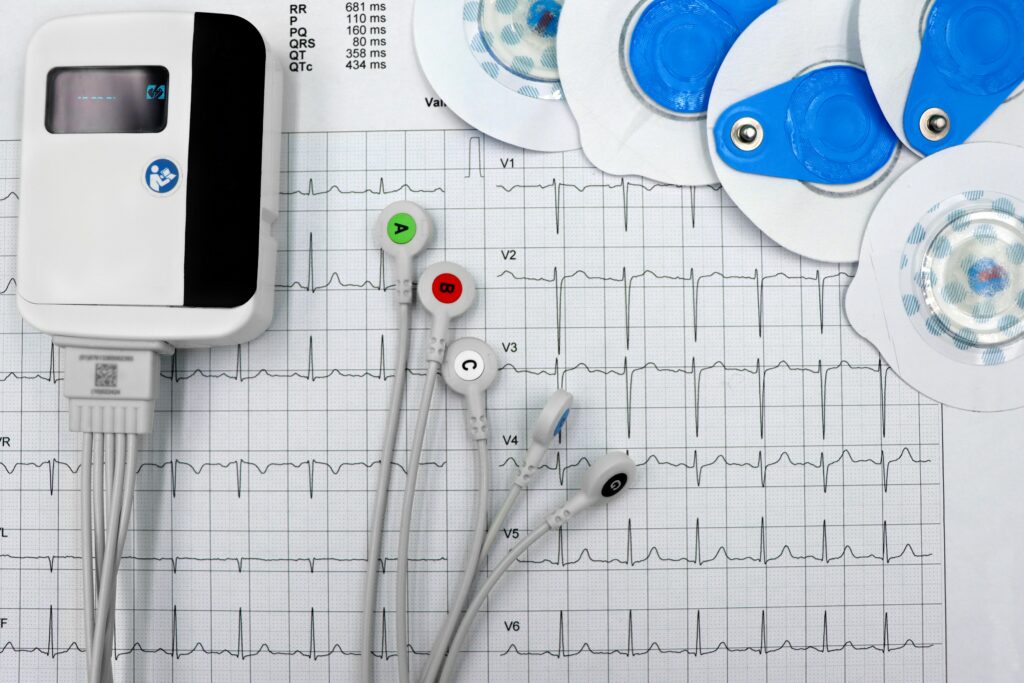
EKG testing helps identify abnormal heart rhythm patterns and provides a foundation for determining whether additional monitoring, such as a Holter monitor or event monitor, may be helpful for longer-term observation.
How an EKG Test Is Performed in a Provider’s Office
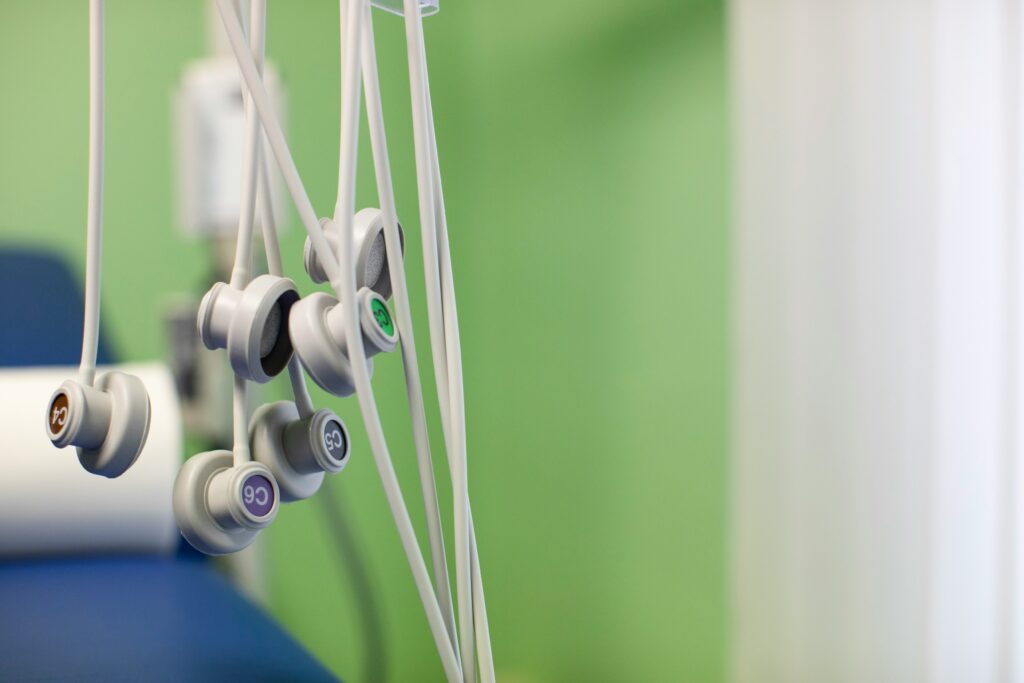
An EKG test is typically completed in a medical setting while the patient rests comfortably on an exam table. Sticky patches called electrodes are placed on the chest, arms, and legs to record electrical signals from different angles.
Patients may be asked to wear a hospital gown, and areas with excess body hair may be gently prepared to ensure good electrode contact. The process is painless, and most tests take only a few minutes from start to finish.

What EKG Machines Measure and Record
The EKG machine captures electrical impulses as visual waveforms that represent each heartbeat. These patterns allow physicians to assess heart rate, rhythm consistency, and timing between beats.
Modern devices automatically record and store data, making it easier for providers to compare current EKG results with prior tests and identify trends over time.
Understanding Your EKG Test Results
EKG results are interpreted by trained medical professionals who evaluate whether electrical patterns fall within expected ranges. A normal result suggests that the heart’s activity appears regular at the time of testing, though it does not rule out all heart conditions.
Abnormal findings may indicate rhythm disturbances, evidence of strain on the heart muscle, or signs that additional testing could be beneficial for a more complete assessment.
When Additional Heart Monitoring May Be Recommended
Because an EKG captures heart activity over a short period, some rhythm changes may not appear during the test. In these cases, providers may recommend wearable devices that monitor heart rhythm for hours or days while patients continue normal activities.
This extended monitoring helps capture intermittent symptoms and supports more personalized diagnostic decisions.
How EKG Testing Supports Preventive Heart Care
Beyond diagnosing symptoms, EKG testing plays an important role in preventive care. Establishing a baseline record of heart activity allows providers to detect subtle changes earlier and tailor care plans based on individual risk profiles.
Organizations such as the American Heart Association emphasize the value of early detection and routine monitoring in reducing long-term cardiovascular risk. Major health organizations typically recommend against routine EKG screening for low-risk adults who do not have symptoms due to potential misdiagnosis.
When Medication or Treatment Plans May Change
EKG results can influence decisions around starting or adjusting medications that affect heart rate or rhythm. In some cases, results help determine whether a medication is appropriate or if further evaluation is needed before changes are made.
This careful approach supports safer treatment planning and individualized care.
FAQ
What is the difference between EKG and ECG?
Both terms refer to the same test. EKG comes from the German word Elektrokardiogramm, while ECG is the English abbreviation. They are used interchangeably in medical settings.
Does an EKG test detect all heart problems?
An EKG provides important information about heart rhythm and electrical activity, but it does not detect every condition. Some issues may require additional tests for full evaluation.
Is EKG testing painful or risky?
EKG testing is painless and noninvasive. Mild skin irritation from adhesive patches is possible, but serious risks are uncommon.
How often should someone get an EKG?
The need for EKG testing depends on symptoms, medical history, and risk factors. A licensed provider can help determine appropriate testing intervals based on individual health needs.
Conclusion: Making Informed Decisions About EKG Testing
EKG testing offers a valuable window into the heart’s electrical activity, helping physicians evaluate symptoms, monitor existing conditions, and support preventive heart care. As a quick, noninvasive test, it provides meaningful information without disrupting daily life.
At BluePoint Med Group, EKG testing is integrated into a thoughtful medical evaluation that considers symptoms, risk factors, and long-term wellness goals. Individual results vary, and not every finding indicates a serious condition, but timely testing can provide reassurance and guide appropriate next steps.
If you are experiencing heart-related symptoms or have concerns about your cardiovascular health, schedule a consultation with BluePoint Med Group to discuss whether EKG testing may be appropriate for you.