
When breathing feels strained, shallow, or uncomfortable, patients often look for supportive therapies that can improve airflow and ease respiratory symptoms. This guide is for patients, caregivers, and anyone seeking to understand SVN breathing treatments for respiratory relief. SVN breathing treatments for respiratory relief are commonly used in medical settings to help deliver inhaled medication in a form that is easier to breathe in, especially during periods of respiratory distress or flare-ups. Understanding these treatments can help you make informed decisions about your respiratory care and overall well-being.
At BluePointMed Group, SVN breathing treatments—a medical device that converts liquid medication into a fine mist or aerosol—are discussed as part of a broader, medically guided respiratory care approach, always tailored to individual needs, symptoms, and clinical history. Understanding how these treatments work helps patients feel more confident and informed during their care journey.
Understanding SVN Breathing Treatments for Respiratory Relief in Medical Care
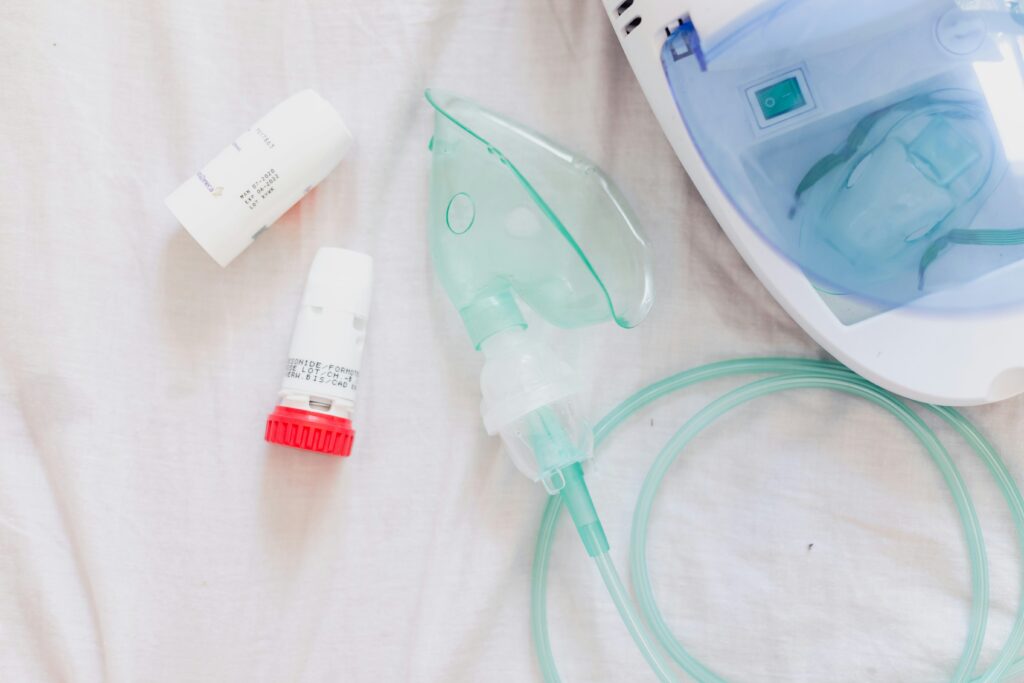
A small volume nebulizer (SVN) is a device that converts liquid medication into a fine mist or aerosol, which can be inhaled through a mouthpiece or a mask. This allows medication to reach the lungs through normal breathing rather than forceful inhalation.
The development of small-volume nebulizers has been shaped by advancements in technology and clinical practice, leading to more effective and accessible respiratory treatment options for patients.
Because the patient breathes naturally during treatment, SVN therapy is often considered when symptoms make coordinated inhalation difficult. The treatment focuses on consistent medication delivery rather than speed, supporting gradual respiratory relief.
How a Small Volume Nebulizer Delivers Medication
Inside the medication cup, liquid medication is converted into an aerosolized form by air from a connected compressor. Before use, the mouthpiece or mask and tubing must be properly attached to the nebulizer and compressor. As the mist forms, it travels through tubing and exits the mouthpiece or mask, where the patient slowly inhales and exhales. The mist is referred to as an aerosol.
The SVN requires a pneumatic gas source that runs 6–8 L/min to operate effectively.
This process allows medication to be delivered over several minutes, giving the lungs time to absorb it evenly. During treatment, the patient is required to breathe normally through the mouth, hold their breath for a few seconds after inhaling, and then exhale slowly. The slow, steady mist can feel gentler than other inhalation methods, especially during active symptoms.
Types of Respiratory Relief Provided by SVN Treatments
SVN breathing treatments are highly effective in managing a variety of respiratory symptoms and conditions, including:
- Wheezing
- Shortness of breath
- Coughing
- Chest tightness
SVNs are used in the management of several respiratory conditions, such as:
- Asthma attacks: SVNs are preferred when a large dose of medication is needed quickly, such as during acute asthma attacks. Bronchodilators work within minutes to relax the smooth muscles surrounding the bronchial tubes, expanding the airways.
- Chronic Obstructive Pulmonary Disease (COPD): SVN treatments help manage chronic inflammation, reduce airway swelling, and improve airflow.
- Cystic Fibrosis: SVNs assist in clearing thick mucus from the lungs by thinning and loosening secretions, making it easier to cough up.
- Respiratory infections (e.g., pneumonia): SVNs can deliver targeted antibiotics directly to the lungs to treat infections.
SVN treatments are particularly effective for patients who struggle with hand-held inhalers, including infants, elderly individuals, or those in acute respiratory distress.
SVN treatments provide relief by:
- Relaxing airway muscles (bronchodilators)
- Reducing inflammation and mucus production (corticosteroids delivered through SVN reduce swelling and mucus production in the airway lining)
- Thinning and loosening mucus for easier clearance
- Hydrating airways, which can soothe irritation and ease a dry cough
SVNs can administer various medications, including bronchodilators, corticosteroids, and antibiotics, depending on the patient’s needs and diagnosis. Patients can receive SVN treatments through a mouthpiece or a mask, depending on their age and ability to use the device.
What Patients Experience During SVN Treatment
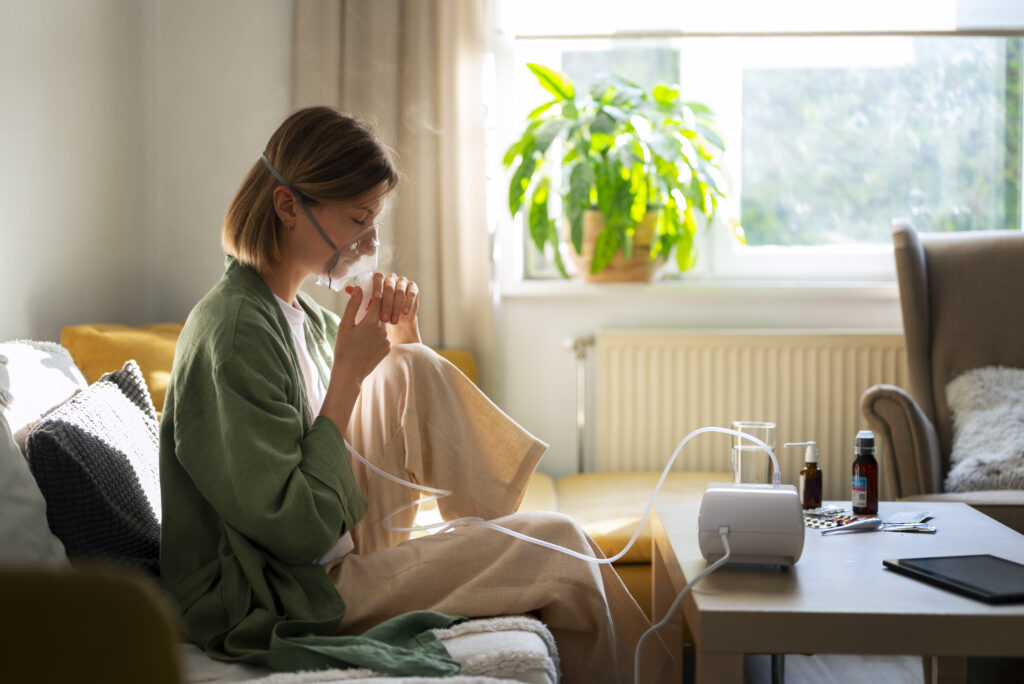
During treatment, the patient typically sits upright while holding the mouthpiece or wearing a mask. Breathing remains calm and unforced as the mist enters the mouth and airways, supporting deeper lung exposure over time.
Some patients notice mild sensations such as cool air or light moisture, which are generally well tolerated. Providers may recommend holding each breath briefly before exhaling to help medication settle more effectively in the lungs.

Why SVN Treatments Are Used for Respiratory Relief
SVN breathing treatments are commonly administered to help manage respiratory symptoms, including tightness, wheezing, or shortness of breath. By delivering medication directly to the lungs, these treatments may help support airway relaxation and improved airflow.
The effectiveness of SVN therapy depends on factors such as medication type, device setup, breathing pattern, and overall health status. Results vary, and treatments are selected based on clinical evaluation, not as a one-size-fits-all solution.
Medical Oversight and Individualized Treatment Planning
At BluePoint Med Group, SVN breathing treatments are recommended and supervised by licensed medical professionals. Care decisions are based on symptoms, medical history, and current respiratory needs.
Patients are encouraged to share all relevant health information during their visit. This collaborative approach helps ensure treatments are appropriate, carefully monitored, and aligned with long-term respiratory wellness goals.
FAQ
What does SVN stand for in breathing treatments?
SVN stands for Small Volume Nebulizer, a device that delivers liquid medication as a fine mist for inhalation through normal breathing, using a mouthpiece or a mask.
How long does an SVN breathing treatment usually take?
Most SVN treatments last 10 to 15 minutes, depending on the medication volume and the compressor flow rate.
Is SVN therapy suitable for everyone with breathing issues?
Not necessarily. SVN treatments are recommended based on individual symptoms, diagnosis, and medical history, and are only prescribed following professional evaluation.
Conclusion: Breathing Support Through Thoughtful Care
Breathing comfortably is fundamental to overall health, daily function, and peace of mind. SVN breathing treatments provide a structured way to deliver aerosolized medication directly to the lungs through calm, natural inhalation, making them a commonly used option when respiratory symptoms interfere with normal breathing. By using a fine mist delivered through a small-volume nebulizer, these treatments are designed to support airway function while prioritizing patient comfort.
What matters most is how and when SVN therapy is used. Effectiveness depends on proper device setup, appropriate medication selection, and careful medical oversight. At BluePoint Med Group, SVN breathing treatments are not approached as a standalone solution, but as part of a thoughtful, individualized respiratory care plan that considers symptoms, health history, and long-term wellness goals.
If breathing concerns are affecting your quality of life, the next step is a professional evaluation. Contact BluePoint Med Group to schedule a consultation and learn whether SVN breathing treatments may support your respiratory needs. With guided care and informed planning, patients can take meaningful steps toward steadier breathing and greater daily comfort.