
Preventive care is often described as “staying ahead of problems,” but for many people, preventive healthcare feels more like one more task to manage in a busy life. Between work, family, stress, and the day-to-day effort of maintaining routines, it’s easy to postpone appointments, ignore mild symptoms, or assume that feeling “mostly fine” equals good health. The truth is more nuanced: many common diseases can develop quietly in the early stages, and prevention is largely about making the invisible visible—before it becomes harder to manage.
At BluePoint Medical Group, preventive health care is treated as a long-term partnership that supports your goals and your reality. That may include regular checkups, appropriate screening tests, updated immunizations, and practical coaching around healthy choices like nutrition, sleep, and movement. Preventive care is not about perfection; it’s about building sustainable systems that protect your health, reduce risk, and help you maintain energy and function over time.
Why Do So Many Adults Wait Until Symptoms Get Worse Before Seeking Health Care?
Many adults delay care because they’re trying to be “tough,” they’re worried about cost, or they assume their symptoms are normal aging. Others avoid care because they don’t want bad news, or because prior experiences left them feeling rushed or unheard. In real-world healthcare, these barriers are common—and they can unintentionally raise the chance that conditions like high blood pressure, high blood sugar, or high cholesterol are discovered later than they need to be.
Preventive care creates a calmer pathway. Instead of waiting for pain, an injury, or a sudden illness to force a visit, preventive services support earlier detection and smaller course corrections. That matters because many chronic issues can be easier to manage when identified in the early stages, and because prevention can reduce downstream disruption to work, family routines, and emotional well-being.

What Preventive Healthcare Really Means in Daily Life—and Why It’s Not “One Size Fits All”
Preventive healthcare is sometimes misunderstood as a single annual appointment. In reality, prevention is a combination of clinical care and daily choices that work together over time. Clinical prevention includes recommended screening tests, immunizations, risk assessments, and thoughtful medication review. Daily prevention includes healthy habits such as a balanced healthy diet, consistent movement, and enough sleep—all of which can affect metabolic and cardiovascular health.
The “best” preventive plan depends on your age, family history, current risk, and existing chronic conditions. A plan for a 28-year-old may focus on lifestyle foundations and reproductive health, while a plan for a 55-year-old may emphasize cardiovascular screening, metabolic markers, and cancer prevention. Prevention also looks different across women, men, and children, because physiology, health risks, and care guidelines change across life stages.
How the World Health Organization Frames Staying Healthy Through Prevention
The World Health Organization consistently emphasizes prevention and health promotion as key strategies for improving population health and reducing the burden of chronic disease. While public health guidance often focuses on community-level strategies, the practical takeaway for individuals is simple: prevention works best when it’s consistent, accessible, and tailored to real needs—not when it’s occasional or crisis-driven.
From a patient standpoint, this means building a preventive routine that is realistic to maintain. A single “perfect week” of healthy eating will not erase long-term patterns, but a series of small, steady choices can support better outcomes. Prevention is less about dramatic changes and more about sustainable efforts that protect your body and ssupporta healthier life.
Can Preventive Services Catch Problems in the Early Stages Before They Cause Illness?
Many health conditions do not cause noticeable symptoms at first. High blood pressure may develop without pain. High blood sugar can rise gradually before someone notices fatigue or thirst. High cholesterol can persist silently for years. This is one reason preventive care can be so valuable: it can identify patterns early, when intervention may be simpler and more effective.
Preventive care is also about context. A lab value is not just a number—it’s a clue. When a clinician interprets results alongside your family history, lifestyle, and medications, the care team can help you understand what matters most and what actions are worth your effort right now. This supports informed decision-making rather than reactive care.
The Foundation of a Healthy Lifestyle: Small Choices That Protect Your Health Over Time
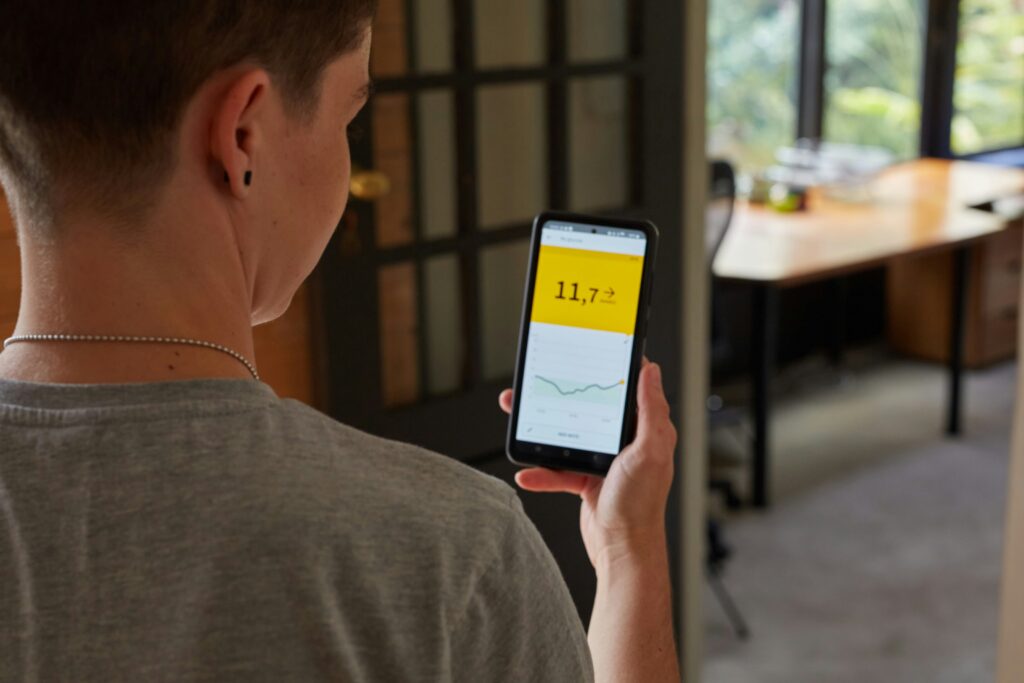
A healthy lifestyle is not a single habit; it’s a set of routines that shape energy, resilience, and long-term outcomes. While genetics play a role, everyday choices about food, movement, sleep, and stress regulation can affect inflammation, metabolism, mood, and cardiovascular risk. The goal is not to chase trends; it’s to build stability.
For many patients, the most helpful mindset shift is focusing on what you can repeat. A plan that’s too strict often collapses under real-life demands. Prevention is more durable when it is flexible: you can recover from missed workouts, imperfect meals, or stressful weeks and return to the habits that support good health.
Healthy Eating: How a Healthy Diet Supports Preventive Health Care
Nutrition is often framed as willpower, but it’s more practical to view nutrition as a set of supportive defaults. A healthy diet that emphasizes fiber, lean protein, and minimally processed foods can support better metabolic stability. Over time, healthy eating patterns may help with weight management, energy levels, and risk reduction related to cardiovascular disease and diabetes.
Healthy eating does not mean eliminating favorite foods. It often means adding protective foods more consistently—especially fruits and vegetables—and building meals that keep you satisfied. When patients focus on sustainable patterns instead of extremes, they’re more likely to maintain nutrition habits that support long-term prevention.
Whole Grains, Fruits, and Vegetables: Practical Nutrition That Many Adults Undervalue
Many prevention plans include a focus on whole grains because they can support healthier digestion, more stable blood sugar patterns, and improved heart health markers. Whole grains also tend to increase dietary fiber, which supports satiety and can help patients avoid the cycle of overeating and energy crashes.
Similarly, fruits and vegetables provide vitamins, minerals, and antioxidants that support immune function and overall well-being. Patients often underestimate the cumulative benefit of small upgrades—adding one extra serving at lunch, choosing a vegetable-based snack, or building a dinner plate that includes multiple colors. These changes are simple, but over time,e they can meaningfully affect health patterns.
Physical Activity and Regular Exercise: What “Enough Movement” Looks Like for Staying Healthy
Most people know physical activity matters, but they’re not sure what to do when time is limited or motivation is low. Prevention is not dependent on intense workouts; it’s built on consistency. A routine that includes walking, strength training, and mobility work can support cardiovascular health, bone density, and daily function. For many patients, regular exercise is as much about mood and energy as it is about long-term prevention.
Movement also supports stress regulation. When people move their bodies regularly, they often notice better sleep quality and improved emotional stability. Even small increases in daily physical activity—taking stairs, walking after meals, short strength sessions—can help patients build a realistic prevention routine that fits into everyday life.
Enough Sleep: Why Sleep Is Preventive Medicine for Adults and Families
Enough sleep is often the first thing sacrificed when schedules get busy, but it plays a foundational role in health. Sleep affects appetite regulation, glucose metabolism, emotional regulation, and immune function. When sleep is consistently poor, patients may find it harder to maintain healthy eating patterns, manage stress, or sustain exercise habits—creating a cycle that affects long-term outcomes.
Sleep also influences mental well-being. Ongoing sleep disruption can worsen stress, irritability, and vulnerability to depression. A preventive approach to sleep focuses on achievable habits—consistent wake times, reduced late-night screen exposure, and addressing issues like snoring or insomnia with a clinician when needed.
Stress, Emotional Health, and Depression: Preventive Care Includes Mental Wellness Care
Preventive care is not only about physical markers. Mental and emotional health influence how people eat, sleep, move, and engage in care. Chronic stress can affect blood pressure, appetite, and energy, while depression can reduce motivation and make daily tasks feel heavier. When people feel emotionally depleted, health routines often become harder to maintain.
A prevention-first approach recognizes this reality and treats mental wellness as part of comprehensive wellness care. That may include screening for depression and anxiety, discussing coping strategies, and connecting patients to appropriate support. Addressing mental health early can reduce suffering and help patients maintain the daily habits that protect physical health.
High Blood Pressure: A Common Risk That Preventive Healthcare Can Identify Early
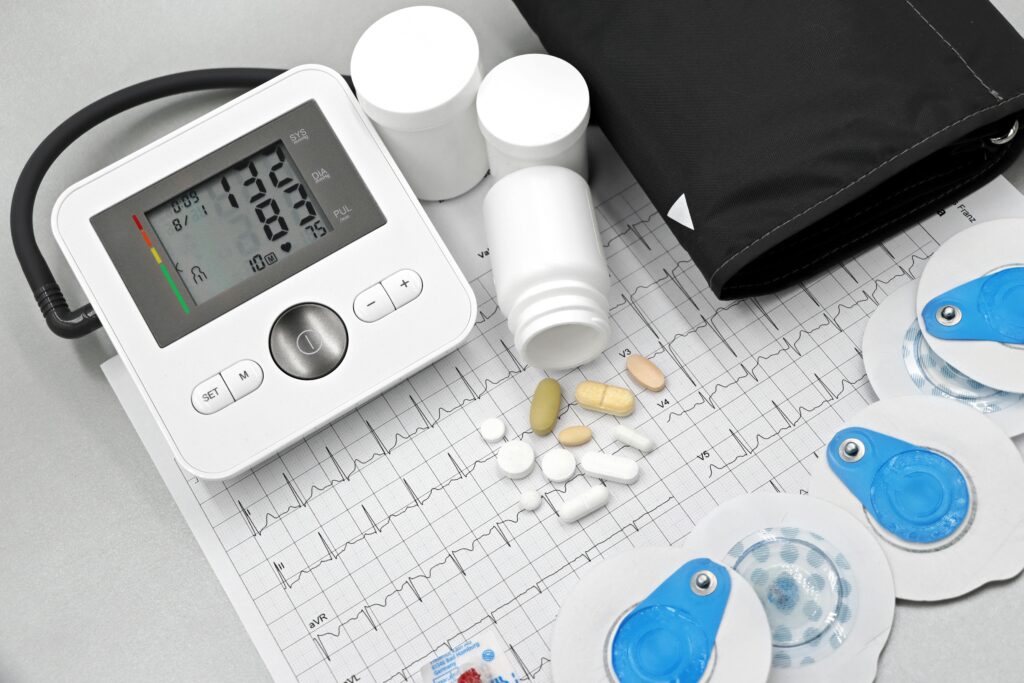
High blood pressure is one of the most common preventable risk factors for heart disease and stroke, and it often has no noticeable symptoms in the early stages. Preventive care helps identify elevated readings early, confirm patterns over time, and explore contributing factors such as stress, sodium intake, sleep quality, and physical inactivity.
When blood pressure is addressed early, many patients can begin with lifestyle adjustments and structured follow-up. In some cases, medications may be recommended, depending on risk level and overall health profile. The key is individualized care—because the best plan depends on the whole patient, not a single number.
High Blood Sugar: Why Preventive Health Care Looks for Patterns, Not Just One Lab Result
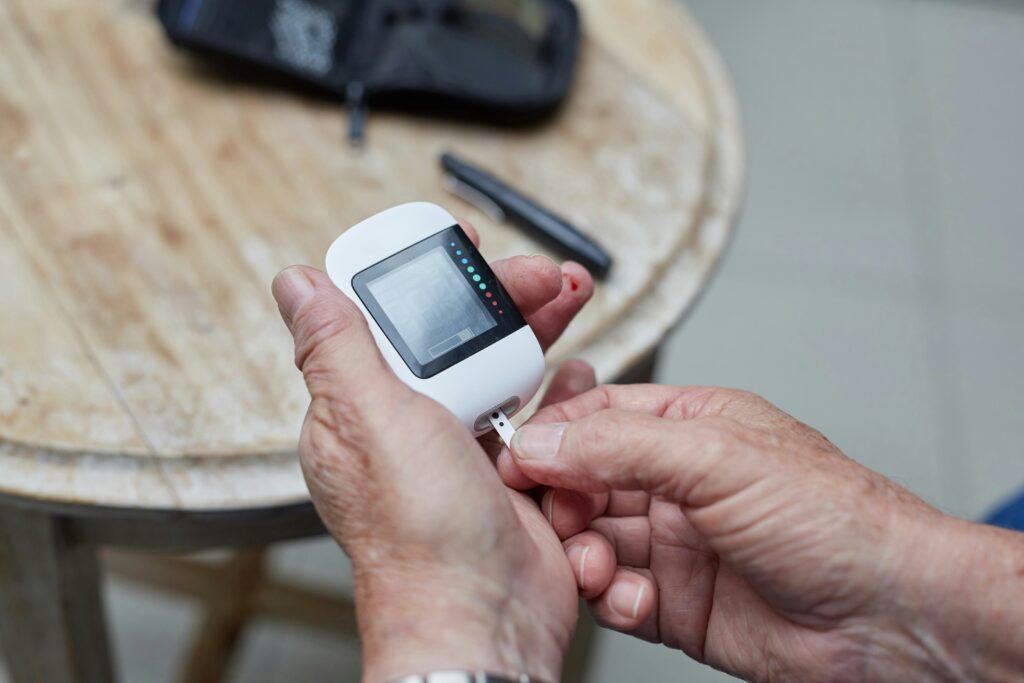
High blood sugar can develop gradually, and early intervention may reduce the chance of progression to diabetes for some patients. Preventive visits often include screening labs that look for trends over time, especially in patients with family history, weight changes, or symptoms such as fatigue and increased thirst.
Prevention here is not about blame. It’s about understanding how sleep, stress, nutrition, and activity interact with metabolism. When patients understand what affects their blood sugar patterns, they can make more targeted changes—often focusing on meal composition, movement after meals, and consistent sleep routines.
High Cholesterol: What Screening Tests Can Reveal About Long-Term Health
High cholesterol is another condition that often causes no symptoms but can contribute to cardiovascular disease risk. Preventive screenings help identify cholesterol patterns alongside other factors like blood pressure, blood sugar, family history, and lifestyle. This broader view helps a clinician estimate overall risk and recommend appropriate next steps.
For some patients, dietary changes and increased physical activity can support improvement. For others, especially those with genetic risk or higher cardiovascular risk profiles, medication may be part of the plan. Preventive care creates the opportunity to discuss options, benefits, and potential risks in a calm setting before illness occurs.

Screening Tests: How Preventive Services Guide Early Detection Across Life Stages
Screening tests are designed to detect risks or early disease before symptoms appear. The “right” screenings depend on age, sex, family history, and health status. Preventive screenings can include blood pressure checks, cholesterol labs, diabetes screening, cancer screenings, and other evaluations based on individual risk.
The goal is not to test everything. It’s to choose screenings that are evidence-informed and appropriate to the patient’s context. When screenings are matched correctly, they can reduce uncertainty, support earlier treatment when needed, and help patients stay proactive rather than reactive.
FAQ
Which screening tests are most important for staying healthy?
The most appropriate screening tests depend on age, sex, family history, and risk factors such as high blood pressure or high blood sugar. A primary care doctor can help prioritize screenings so you get what’s most relevant without unnecessary testing.
How can I start preventive health care if I’m worried about cost and insurance coverage?
Start by asking your provider which preventive services are typically covered and what your plan includes. Coverage varies by insurance, and some tests may have additional costs depending on how they’re billed. A preventive visit is also a good time to plan what to do next to avoid unnecessary expenses.
Do lifestyle changes like healthy eating and exercise really affect health outcomes?
They can. Healthy eating, physical activity, and enough sleep influence blood pressure, metabolism, mood, and long-term risk. Results vary, but consistent healthy habits often support better energy and improved health markers over time.
Conclusion
Preventive healthcare supports a healthier life by combining clinical prevention—like screenings and immunizations—with sustainable daily habits such as healthy eating, regular exercise, and enough sleep. It also makes room for mental and emotional well-being, because stress and depression can affect the body as much as any physical risk factor. Prevention is not about doing everything perfectly; it’s about maintaining a practical system that helps you stay healthy over time.
If you want a personalized plan for preventive health care, screenings, and lifestyle support, BluePoint Medical Group is here to help. Contact BluePoint for next steps and schedule a consultation to discuss your risk factors, review preventive services, and create a plan tailored to your age, health history, and goals.