
Patient education is one of the most practical ways to help people recognize what their body is telling them, ask better questions, and feel less overwhelmed in the clinical decision-making process. In real-world healthcare systems, patients often leave visits with new terms, new instructions, and limited time to absorb it all—yet those details can shape health outcomes over weeks, months, and years.
At BluePoint Medical Group, health education is treated as part of care—not an “extra.” When patients have clearer knowledge, better resources, and supportive follow-up, they’re more likely to engage in prevention, manage chronic disease, and stay aligned with preventive medicine focuses like screening and risk reduction. This matters not only for individuals and families, but also for public health, health promotion, and long-term community wellbeing.
Why Do Patients Still Feel Confused After a Doctor Visit, and How Does That Affect Health Outcomes?
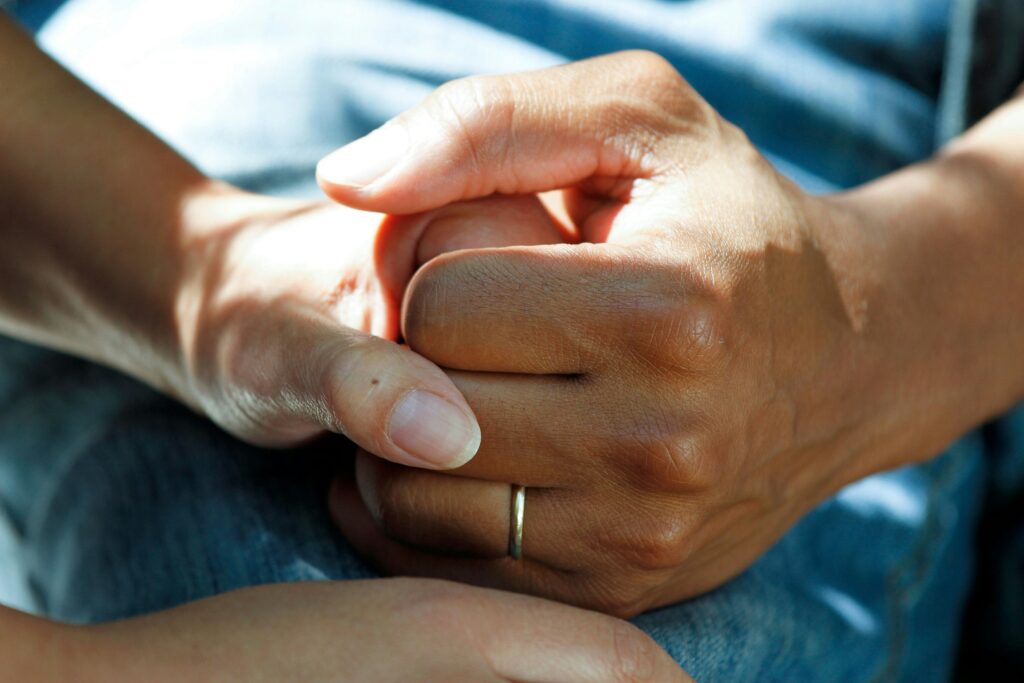
Many patients want to follow recommendations, but confusion is common—even among highly motivated groups. Medical language, rushed timelines, and inconsistent information online can create real barriers, especially when someone is processing new treatment steps, a new medicine, or an unfamiliar diagnosis like cancer or another serious disease.
That confusion can quietly affect health outcomes. When instructions aren’t clear, people may delay follow-up, misunderstand dosing, skip monitoring, or miss preventive steps tied to disease prevention. Over time, those small gaps can influence quality of life, symptom stability, and long-term risk—particularly for chronic disease, where daily habits and routine check-ins make a meaningful difference.
Patient-centered education also supports mental health. When people understand what’s happening and what options exist, anxiety often decreases, communication improves, and the care plan becomes something they participate in—rather than something that happens to them. That shift toward active participation is a powerful driver of safer, more confident care.
How Patient Education Works: Building Knowledge, Skills, and Confidence for Prevention and Treatment
Effective patient education is more than handing someone articles or a brochure. It’s a deliberate approach to educating that builds skills, strengthens the development of healthy routines, and helps patients connect clinical guidance to everyday life. In practice, it can include teach-back conversations, short follow-ups, and clear explanations tailored to culture, language, and learning style.
In both primary care and preventive medicine, evidence suggests that educational interventions can support better self-management, especially when the approach addresses real barriers like time, health literacy, stress, transportation, and family responsibilities. When patients understand the “why,” they’re more likely to follow through on monitoring, nutrition changes, sleep improvements, and other prevention-focused steps that improve health.
This is where the care team matters. Healthcare providers, including family physicians, nurses, and other healthcare professionals, often practice education in small moments: clarifying risk, explaining a lab trend, or mapping next steps. In a broad range of settings, strong evidence from healthcare research and clinical experience supports that a better understanding can lead to better engagement, safer medication use, and more informed choices across treatment and prevention.
Patient Education in a Bigger Health Context: Public Health, Community Organizations, and Environmental Justice
Patient-level learning doesn’t exist in a vacuum. Public health efforts, community organizations, and local initiatives often provide the support that makes prevention realistic—like nutrition access, exercise opportunities, and mental health support. In many communities, care gaps are not about motivation; they’re about structural barriers in healthcare systems and daily life.
This is where environmental justice and social action intersect with health. Safe housing, clean air, workplace protections, and access to clinicians all influence disease prevention and long-term outcomes. Across the United States—including places like New York, where community-based health advocacy program models are widely discussed—patients and advocates have shown how advocacy efforts can expand access to screening, improve chronic disease support, and strengthen local prevention networks.
The goal isn’t politics—it’s capacity. When communities build capacity through education and support, individuals can better navigate care, follow prevention plans, and make choices aligned with their values and realities. In that sense, health advocacy, health promotion, and patient education are connected parts of a larger system that shapes outcomes.
What Practical Patient Education Strategies Help People Improve Health in Everyday Life?
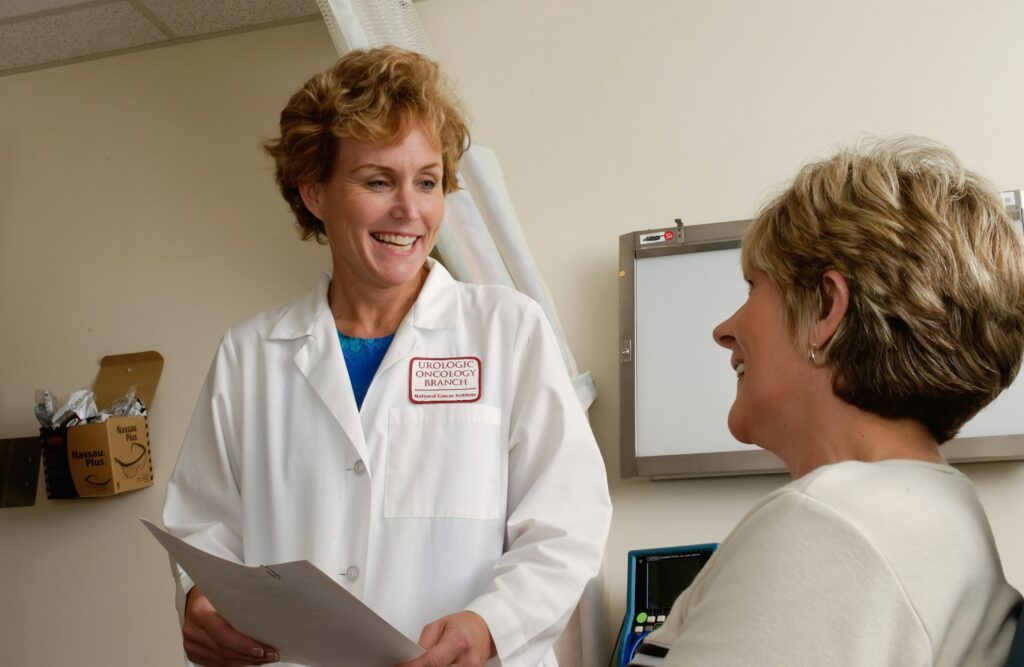
One effective approach is making education specific, repeatable, and personalized—especially for chronic disease. Instead of overwhelming patients with a broad range of instructions, the care team can focus on one priority at a time, reinforce it over follow-ups, and connect it to measurable goals (like blood pressure checks, sleep consistency, or medication adherence).
Another strategy is aligning education with how people actually learn. Some patients prefer short summaries; others need examples, analogies, or written instructions. For many families, it helps to include a spouse or caregiver—because families often share routines, meals, schedules, and decision-making. That shared understanding can reduce friction, strengthen follow-through, and improve the overall quality of the plan.
Finally, patient education is strongest when it supports the patient’s role in the decision-making process. That means making space for questions, clarifying risks and tradeoffs, and acknowledging lived experience. This is also why ongoing training matters for clinicians—whether through continuing education, professional development, or even a master’s program that emphasizes communication, leadership, and community-based approaches. When practitioners work with empathy and clarity, patients are more likely to participate and sustain change.
Can Patient Education Improve Outcomes Without Promising Results?
Many patients notice meaningful benefits when education is consistent: fewer surprises, better adherence, and more confidence in next steps. In preventive care, patient education can support earlier action—like scheduling screenings, recognizing warning signs, or adjusting lifestyle factors that affect long-term risk. In chronic care, it may help patients track symptoms, reduce avoidable complications, and communicate changes earlier to their physician or care team.
At the same time, it’s important to be realistic. Results vary because health is influenced by a wide set of factors—genetics, environment, stress, access to care, and existing conditions. Patient education is not a cure, and it does not replace individualized clinical evaluation. It is a support tool that can strengthen understanding and encourage safer choices across medicine, treatment, and prevention.
There are also practical considerations. Time constraints, language differences, cultural context, and competing online information can create barriers. That’s why education should be collaborative—tailored to the patient, respectful of culture, and reinforced over time. When education is paired with support, follow-up, and evidence-based recommendations, it can help patients feel more grounded while navigating illness, prevention, and long-term wellness.
FAQ
How does patient education affect health outcomes in preventive medicine?
Patient education helps patients understand risk factors, screening timelines, and daily habits linked to disease prevention. When people understand the “why” behind recommendations, they’re more likely to follow through and participate in long-term prevention planning.
What role do healthcare providers and nurses play in health education?
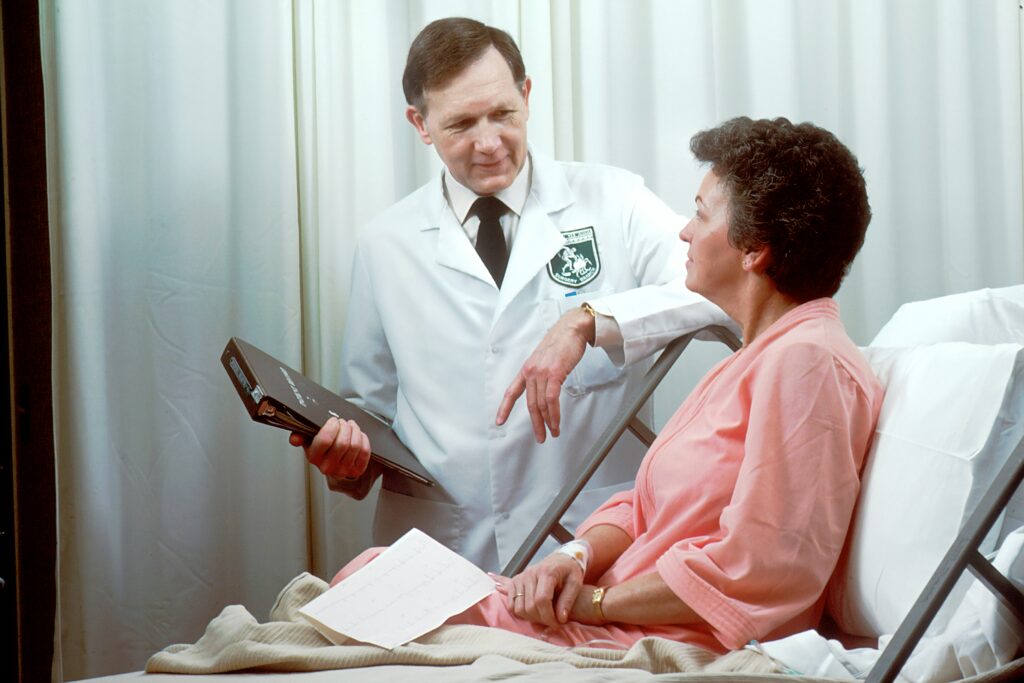
Healthcare providers, including family physicians and nurses, help translate clinical information into clear next steps for real life. Their guidance can support safer medication use, better monitoring, and a more confident decision-making process.
Is patient education part of public health and health promotion programs?
Yes, patient-level learning connects to public health and health promotion because informed communities are better equipped to recognize risk, seek timely care, and support prevention-focused routines. Many community organizations also expand access to education through local initiatives and advocacy.
Can patient education help with chronic disease and mental health?
It can support both by improving understanding, reducing uncertainty, and helping patients recognize patterns and triggers. While it’s not a substitute for medical care, education often strengthens active participation and communication with clinicians, which can be especially valuable in long-term chronic disease management and mental health support.
Conclusion
Better patient education helps people move from uncertainty to clarity—and that can support stronger health outcomes over time. Whether your goal is prevention, chronic disease stability, or improving daily wellbeing, understanding your options makes it easier to participate, ask informed questions, and align care with your life.
If you’re looking for guidance on preventive planning, chronic condition management, mental health support, or navigating a new diagnosis, BluePoint Medical Group can help you take practical next steps. Schedule a consultation to discuss your goals, review your risks, and build an education-forward plan designed for your needs.
Individual results vary, and every treatment or preventive plan may involve risks or contraindications—so personalized guidance from licensed professionals is essential.