
Breathing problems are often subtle at first. Many patients notice shortness of breath during activity, fatigue they can’t explain, or difficulty taking a deep breath, but may not immediately connect these symptoms to underlying lung function changes. Because respiratory issues can develop gradually, patients frequently seek medical care, unsure whether their symptoms are related to the lungs, heart, or overall conditioning.
At BluePoint Medical Group, pulmonary evaluation plays an important role in preventive care, diagnosis, and long-term health planning. Pulmonary function tests, also commonly called lung function tests, help providers understand how well your lungs work, how much air you can move in and out, and how efficiently oxygen passes into the bloodstream. These insights support early detection and informed treatment decisions.
Understanding what a pulmonary function test is used to diagnose helps patients approach testing with clarity rather than anxiety, and reinforces why these tests are often recommended even before symptoms become severe.
Understanding Pulmonary Function Tests and Lung Function Measurement
Pulmonary function tests (PFTs) are a group of medical procedures designed to evaluate different aspects of pulmonary function. These lung function tests assess how much air the lungs can hold, how quickly air can be exhaled, and how efficiently gases move across lung tissue.
For patients, this matters because breathing is not just about airflow—it involves coordinated activity between airways, lung tissue, respiratory muscles, and blood circulation. Changes in any of these systems can affect oxygen delivery and overall energy levels.
By measuring lung performance objectively, healthcare providers can move beyond symptom descriptions and rely on accurate data to guide diagnosis and care planning.
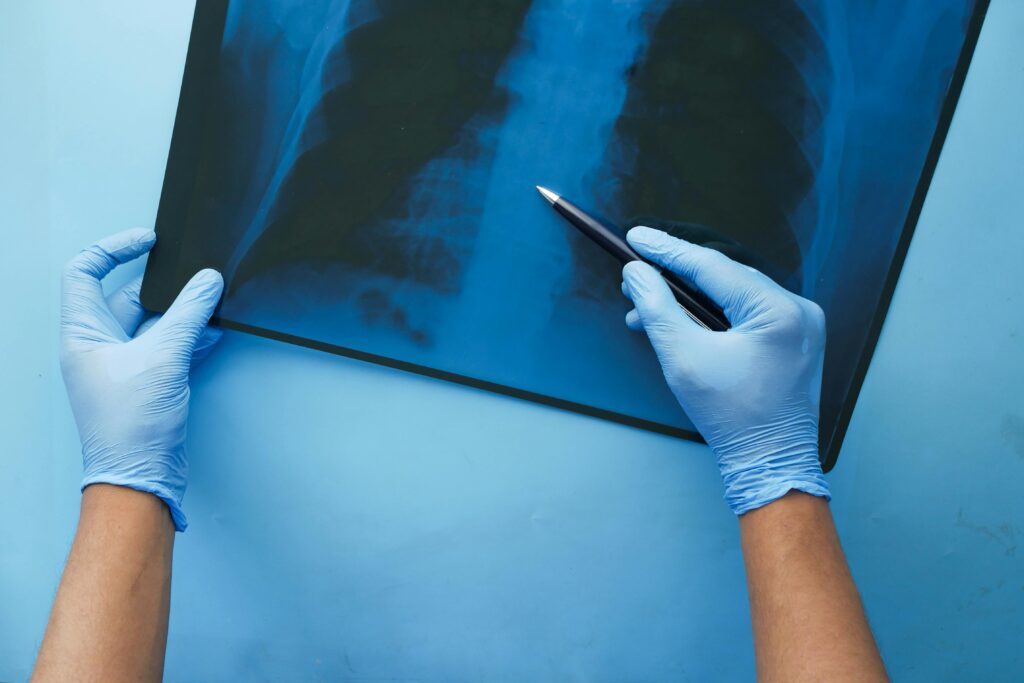
Why Doctors Order Pulmonary Function Tests in Primary and Preventive Care
A healthcare provider may recommend a pulmonary function test when patients report difficulty breathing, chronic cough, unexplained fatigue, or reduced exercise tolerance. These symptoms can reflect early changes in lung capacity or airflow that are not detectable during a routine physical exam.
Pulmonary testing is also used proactively for patients with risk factors such as smoking history, occupational exposures, asthma, or family history of lung disease. Identifying changes early allows providers to address issues before they progress.
For patients, this proactive approach supports prevention and avoids waiting until symptoms significantly interfere with daily life.
What Pulmonary Function Tests Are Used to Diagnose
One of the primary purposes of pulmonary testing is to help healthcare providers diagnose conditions affecting airflow, lung volume, or gas exchange. These include chronic obstructive pulmonary disease, asthma, restrictive lung disorders, and other lung conditions.
PFTs can also identify patterns consistent with lung tissue scarring, airway narrowing, or reduced respiratory muscle strength. While test results alone do not confirm a diagnosis, they provide essential clues that guide further evaluation.
For patients, this diagnostic clarity reduces uncertainty and supports more targeted conversations about treatment options.
Spirometry: The Most Common Pulmonary Function Test
The spirometry test is the most widely used pulmonary function test. It measures how much air you can inhale and exhale, and how quickly you can force air out of the lungs using a small electronic machine called a spirometer.
Key values include forced vital capacity, forced expiratory volume, and expiratory volume over time. These measurements help detect airway obstruction or restriction. Patients benefit because spirometry provides immediate, objective feedback about lung performance and is often the first step in respiratory evaluation.
Measuring Lung Volumes and Total Lung Capacity
In addition to spirometry, certain pulmonary tests focus on assessing lung volume by analyzing measures such as total lung capacity, residual volume, and functional residual capacity. These values provide insight into how much air is still present in the lungs once a person has fully exhaled, helping clinicians better understand overall lung mechanics.
Techniques such as body plethysmography—also called body plethysmography—allow providers to calculate total volume more precisely. This can reveal air trapping or restrictive patterns. Understanding lung volume is especially important when symptoms persist despite normal spirometry results.
Diffusion Capacity and Oxygen Transfer in the Lungs
Another important component of pulmonary testing is diffusion capacity, which measures how much oxygen moves from the lungs into the bloodstream. This test often uses a small amount of carbon monoxide mixed with air to assess gas exchange efficiency.
For patients, reduced diffusion capacity may explain shortness of breath even when airflow appears normal. It can reflect changes in lung tissue or blood vessels. This information helps providers understand why patients feel breathless and whether further evaluation is needed.
Exercise-Based Pulmonary Function Tests and Functional Assessment
Some patients require exercise tests to evaluate breathing under physical stress. These include cardiopulmonary exercise tests and the six-minute walk test, which assess oxygen use, endurance, and heart-lung interaction.
Exercise-based testing is especially helpful when symptoms occur only during activity. It shows how the lungs respond during increased demand rather than normal breathing at rest. For patients, this testing helps align diagnosis with real-world symptoms.
What to Expect During a Pulmonary Function Test
Most breathing tests are performed in an outpatient setting and require active participation. Patients may be asked to inhale fully, exhale with maximal effort, or breathe in specific gas mixtures.
During testing, patients often wear nose clips to ensure accurate airflow measurement through the mouth. Clear instructions and coaching help ensure accurate results. Understanding the process helps patients feel prepared and reduces anxiety about test performance.
Preparing for Pulmonary Function Testing
To obtain reliable data, providers may give instructions such as avoiding heavy exercise, not drinking alcohol, or holding certain breathing medicines or certain medicines for hours before the test.
Patients should follow preparation guidelines closely, as medications and exertion can influence results. This preparation ensures that measurements reflect true lung function. Clear communication with your provider supports meaningful interpretation of results.
Interpreting Pulmonary Function Test Results
After testing, results are compared to normal values and predicted value ranges based on age, sex, height, and ethnicity. Results may fall within a normal range or indicate abnormal patterns.
Pulmonary function test results help providers determine severity, monitor progression, and evaluate response to treatment. Normal results can also rule out lung-related causes of symptoms. For patients, understanding results supports shared decision-making and realistic expectations.
How Test Results Influence Treatment Plans
Pulmonary test findings guide the treatment plan, which may include inhalers, lifestyle changes, pulmonary rehabilitation, or further diagnostic imaging. In some cases, results support adjustments to existing medications.
For patients planning surgery, PFTs may help determine whether they can safely tolerate surgery by assessing respiratory reserve. This information ensures care decisions are tailored to individual lung capacity and risk.
Pulmonary Function Tests in Monitoring Chronic Health Conditions
For patients with known respiratory disease, repeated testing helps track changes over time. Monitoring lung function allows providers to adjust treatment before symptoms worsen.
This longitudinal data is valuable for managing health conditions that affect breathing and overall endurance. Patients benefit from objective markers that reflect disease stability or progression.
Safety and Professional Standards in Pulmonary Testing
Pulmonary testing is generally safe and non-invasive. Testing protocols follow standards set by organizations such as the American Thoracic Society, which emphasize accuracy and patient safety.
Patients with unstable conditions may require modified testing or medical supervision during exercise-based evaluations. This oversight ensures testing is appropriate and responsibly performed.

Benefits and Limitations Patients Should Understand
Pulmonary function tests provide valuable insight but do not diagnose every condition. Results must be interpreted alongside symptoms, imaging, and clinical exams.
Understanding both benefits and limitations helps patients avoid overreliance on a single test and appreciate a comprehensive evaluation. This balanced perspective supports trust and informed care choices.
FAQ
What is a pulmonary function test used to diagnose?
Pulmonary function tests help evaluate airflow, lung volume, and gas exchange to support diagnosis of respiratory conditions and breathing-related symptoms.
Are pulmonary function tests painful?
Most tests are non-invasive and well tolerated, though they may require strong breathing effort for short periods.
How long does pulmonary function testing take?
Most testing sessions last between 30 and 60 minutes, depending on the types of pulmonary function tests performed.
Do normal results rule out lung disease?
Not always. Normal results may still require further evaluation if symptoms persist.

Conclusion
Understanding what a pulmonary function test is used to diagnose empowers patients to participate actively in their respiratory health. These tests provide essential insight into airflow, lung volume, and oxygen exchange, helping identify conditions early and guide thoughtful treatment planning. When used appropriately, pulmonary testing supports prevention, monitoring, and safer medical decision-making.
It’s important to remember that results vary between individuals, and test findings must be interpreted in context. Pulmonary function tests do not replace clinical judgment but enhance it, offering objective data that complements symptoms and medical history.
At BluePoint Medical Group, pulmonary testing is part of a patient-centered, preventive approach to care. Scheduling an appointment allows patients to discuss symptoms, risk factors, and whether pulmonary function testing is appropriate for their individual health needs.