
Early detection strategies in primary care play a central role in shaping long-term health outcomes, quality of life, and the sustainability of modern healthcare systems. For many patients, the primary care setting is the first—and often most trusted—point of contact for addressing health concerns, managing chronic conditions, and navigating preventive care decisions. When early detection is thoughtfully integrated into everyday clinical practice, it may help identify risk factors sooner, support timely intervention, and guide more personalized care plans.
At BluePoint Medical Group, early detection is approached as a continuum of care, not a single test or screening. By combining evidence-based screening protocols, patient education, and ongoing clinical assessment, primary care providers are uniquely positioned to detect subtle changes in health before they progress into more complex conditions. This proactive model reflects global best practices supported by organizations such as the World Health Organization and leading research institutions across the United States healthcare system.
This article explores how early detection strategies function in real-world primary care settings, why they matter for patient outcomes, and how a primary care-led approach can support both individual wellness and broader population health goals.
Why Early Detection Matters in Primary Care Settings
Early detection in primary care focuses on identifying potential health concerns during their early stage, when interventions may be simpler and risks lower. Many chronic diseases and cancers develop gradually, often without noticeable symptoms at first. Primary care physicians play a critical role in recognizing patterns, monitoring changes, and initiating screening programs aligned with a patient’s age, medical history, and risk profile.
Rather than waiting for symptoms to escalate, early detection practices aim to reduce uncertainty for patients. This approach may help support better health outcomes while also contributing to lower healthcare costs over time by reducing emergency care, hospitalizations, and advanced treatments.

The Role of Primary Care Physicians in Early Detection
Primary care physicians are uniquely positioned to guide early detection because they often maintain long-term relationships with patients. These relationships allow providers to track trends in physical health, mental health, and cognitive function over time.
In family medicine and internal medicine, early detection often begins with routine visits. These appointments provide opportunities to assess lifestyle factors, review family history, and identify subtle changes that may indicate emerging conditions. This longitudinal insight supports primary care-led assessment, a model that emphasizes continuity, trust, and personalized health management.
Identifying Risk Factors Before Symptoms Appear
A cornerstone of early detection is the ability to identify risk factors before disease develops. Risk factors may include genetics, age, lifestyle behaviors, occupational exposures, or social determinants of health. In primary care clinics, risk assessment is often embedded into routine care through patient interviews, health questionnaires, and clinical observations.
By recognizing these risk factors early, healthcare professionals can tailor screening recommendations and preventive services. This individualized approach supports more equitable care, particularly for populations that may be disproportionately affected by chronic diseases or limited access to specialty care.
Cancer Screening as a Foundation of Early Detection
Cancer screening remains one of the most widely recognized early detection practices in primary care. Evidence-based guidelines help primary care providers determine when and how to screen for common cancers based on age, sex, and risk level.
Breast Cancer Screening in Primary Care
Breast cancer screening often begins in primary care, where providers discuss mammography timing, frequency, and personal risk factors. Early diagnosis may allow for a broader range of treatment options and may support improved quality of life for many patients.
Colorectal Cancer Screening and Digestive Health
Colorectal cancer screening is another critical component of early detection. Primary care providers often initiate conversations about stool-based tests or colonoscopy referrals, helping patients navigate preparation and follow-up care in a supportive environment.
Cervical and Prostate Cancer Screening
Screening for cervical cancer and prostate cancer is typically coordinated through primary care services. These discussions allow providers to explain benefits, limitations, and potential risks while supporting informed decision-making.

Blood Tests and Biomarkers in Early Detection
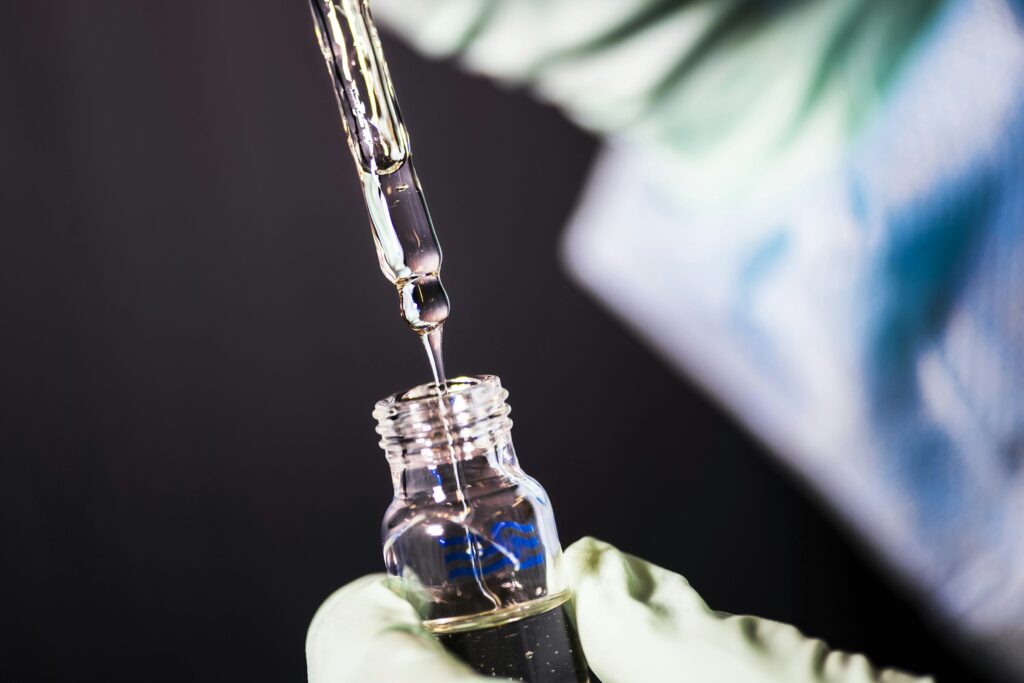
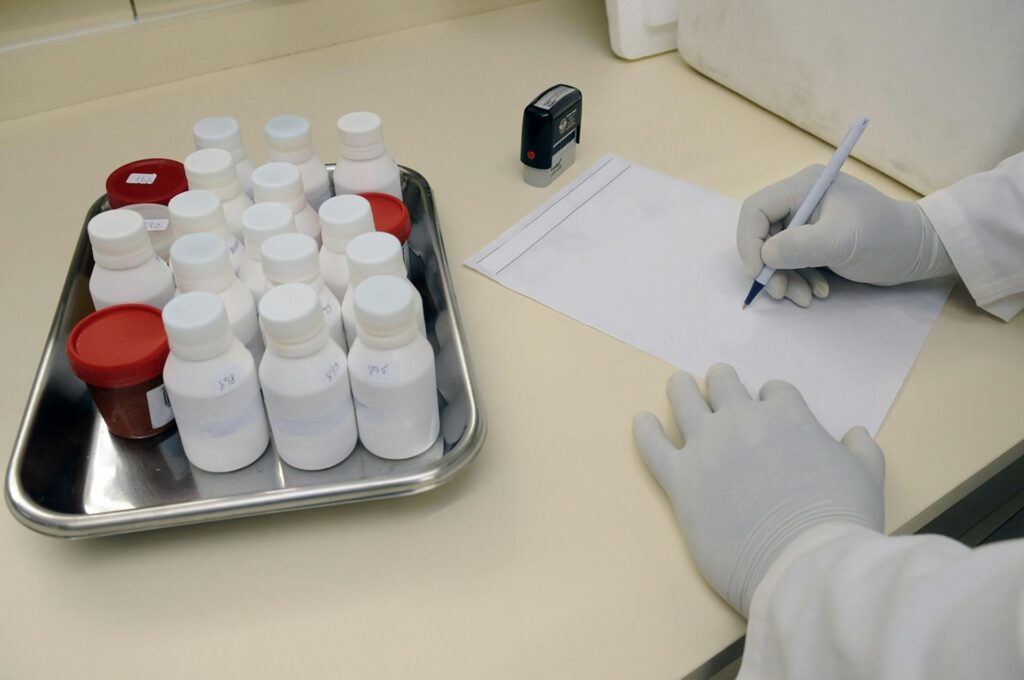
Blood tests are frequently used in primary care to evaluate metabolic health, organ function, and potential indicators of disease. While blood tests alone do not diagnose most conditions, they can provide valuable insights that guide further evaluation.
Routine laboratory assessments may help identify early signs of diabetes, cardiovascular disease, thyroid disorders, or inflammatory processes. In some cases, abnormal results prompt closer monitoring or referral to specialists, supporting timely diagnosis and early intervention.
Early Detection of Chronic Diseases
Chronic diseases such as diabetes, hypertension, and autoimmune conditions often develop gradually. Primary care plays a central role in chronic disease management by identifying early markers and implementing monitoring strategies.
Early detection may support lifestyle-based interventions, medication adjustments, or coordinated care plans that help patients maintain function and reduce complications over time. This proactive approach aligns with national efforts to strengthen disease prevention and management across health systems.
Brain Health and Cognitive Screening in Primary Care
As populations age, early detection of cognitive changes has become an increasingly important focus in primary care. Screening for mild cognitive impairment may help identify individuals who could benefit from further evaluation, supportive services, or lifestyle interventions.
While not all cognitive changes progress, early recognition allows patients and families to plan proactively. Primary care providers often collaborate with specialists when appropriate, reinforcing continuity and patient-centered care.
Mental Health Screening as Preventive Care
Mental health screening is now widely recognized as a core component of early detection in primary care settings. Screening for anxiety, depression, and stress-related conditions may help identify concerns that impact overall health and quality of life.
By integrating mental health assessments into routine visits, primary care providers support holistic wellbeing and reduce barriers to care. Early intervention may help mitigate safety risks and support long-term emotional health.
Infectious Disease Screening and Public Health Impact
Primary care clinics also serve as frontline settings for infectious disease screening. Early detection of conditions such as hepatitis, HIV, or emerging infections contributes to both individual care and broader public health efforts.
Through partnerships with local public health organizations and federally qualified health centers, primary care providers help promote health equity and reduce community-level disease transmission.
Implementing Early Detection Practices in Primary Care Clinics
Successful early detection requires more than tests alone. Implementation involves staff training, patient engagement, and integration with electronic health records. Many clinics adopt standardized protocols informed by organizations such as the United States Preventive Services Task Force to ensure consistency and quality.
When early detection strategies are embedded into routine workflows, they become a natural extension of patient care rather than an added burden.
Patient Education and Shared Decision-Making
Patient education is essential to effective early detection. Primary care providers often spend time explaining the purpose of screenings, potential outcomes, and next steps. This transparency helps patients feel informed and supported rather than anxious.
Shared decision-making encourages patients to participate actively in their health management, aligning care plans with personal values and preferences.
Promoting Health Equity Through Early Detection
Early detection strategies also play a role in addressing health disparities. Communities with limited access to specialty care often rely heavily on primary care services. By offering comprehensive screening and risk assessment, primary care clinics may help reduce gaps in diagnosis and treatment.
Collaborations with academic institutions such as the National Institute on Aging and community-based programs support ongoing research and innovation in equitable care delivery.
How Early Detection Supports Better Patient Outcomes
When early detection is integrated into primary care, patients may experience clearer care pathways, reduced uncertainty, and improved coordination among healthcare providers. While outcomes vary based on individual factors, early identification of health concerns often supports more informed decision-making and proactive management.
The Future of Early Detection in Primary Care
Advances in digital health tools, risk stratification models, and research grant support continue to expand early detection capabilities. Primary care remains central to these innovations, serving as the bridge between emerging science and everyday patient care.
FAQ
What is early detection in primary care?
Early detection in primary care refers to identifying potential health concerns through screenings, assessments, and monitoring before symptoms become severe or conditions advance.
Do early detection strategies guarantee better outcomes?
Individual results vary. While early detection may support timely intervention, outcomes depend on many factors, including overall health, adherence to care plans, and specific conditions.
Are cancer screenings performed in primary care clinics?
Primary care providers often initiate cancer screening discussions and coordinate referrals based on evidence-based guidelines and individual risk factors.
Is a consultation required before screening?
Yes, a consultation with a licensed primary care provider helps determine which screenings are appropriate based on personal health history and current guidelines.
Conclusion
Early detection strategies in primary care are not about predicting the future with certainty. Instead, they are about creating opportunities—for awareness, for timely care, and for informed choices. By emphasizing prevention, continuity, and patient education, primary care providers help guide individuals toward better health outcomes and improved quality of life.
If you are seeking a proactive approach to health management, BluePoint Medical Group offers comprehensive primary care services designed to support early detection, personalized care plans, and long-term wellness.
Contact BluePoint today to schedule a consultation and take an informed step toward preventive, patient-centered care.