
Modern healthcare increasingly demands speed, precision, and patient-centered decision-making, making in-house lab accuracy and patient benefits a top priority for many practices. This guide is designed for patients and healthcare professionals interested in understanding how in-house laboratory services impact diagnostic accuracy and patient outcomes. For many practices, in-house laboratory services have become an essential part of delivering timely care while supporting better clinical judgment. When managed correctly, an in-house lab can strengthen diagnostic confidence, streamline workflows, and enhance the overall patient experience.
At BluePoint Med Group, laboratory services are viewed not as an isolated function, but as an integrated component of comprehensive care. Accuracy, efficiency, and clinical oversight work together to support informed decisions that align with each patient’s unique health needs.
Why In-House Lab Services Matter in Modern Patient Care
Healthcare providers often face pressure to make decisions quickly while maintaining high standards of care. In-house lab services offer immediate access to critical information, allowing providers to evaluate health conditions without unnecessary delays.
Key patient benefits of in-house lab accuracy include:
- Accurate and timely results that support faster diagnosis and treatment
- Reduced patient anxiety by delivering results during the same visit
- Enhanced patient experience by eliminating the need for separate trips to external facilities
- Streamlined care that allows for immediate discussion of results and next steps with the provider
- Improved patient satisfaction by consolidating healthcare needs into a single visit
When diagnostic tests are performed onsite, patients may receive results during the same visit. This can support faster diagnosis, reduce anxiety associated with waiting, and help providers adjust treatment plans promptly when needed.

Main Patient Benefits of In-House Lab Accuracy
In-house labs provide accurate and timely results, reduce patient anxiety by delivering results during the same visit, and enhance the overall patient experience by eliminating the need for separate trips to external facilities. Patients benefit from:
- Receiving and discussing test results with their physician immediately after testing
- Completing all healthcare needs in a single visit, reducing confusion and inconvenience
- Improved satisfaction and engagement in their care due to streamlined processes
These advantages contribute to better patient outcomes and a more positive healthcare experience.
Understanding In-House Lab Accuracy and Its Role in Clinical Decisions
In-house lab accuracy refers to the ability of on-site laboratories to provide results that are as reliable as those from external labs, provided that strict quality control measures and protocols are followed. Accurate results help guide appropriate treatment, particularly for chronic conditions such as diabetes or during the evaluation of potential infections.
In-house laboratories maintain strict quality control measures that help ensure the accuracy and consistency of results. When protocols are followed, in-house lab tests offer similar accuracy to traditional labs, supporting dependable clinical decision-making.
Factors Influencing Accuracy
Consistency in sample handling, standardized testing processes, and trained healthcare professionals all contribute to producing reliable results. These factors reduce variability and help ensure that providers can trust the data guiding their clinical judgment.
Transitioning from understanding accuracy, it’s important to recognize the role of skilled professionals in maintaining these high standards.
How Skilled Healthcare Professionals Safeguard Lab Quality
Accuracy does not depend on technology alone. Skilled healthcare professionals oversee every stage of the testing process, from sample collection to result interpretation.
Ongoing training, equipment calibration, and quality checks help ensure that laboratory services meet established standards and support dependable clinical decision-making.
With quality and accuracy assured, immediate access to test results becomes a powerful tool for both patients and providers.
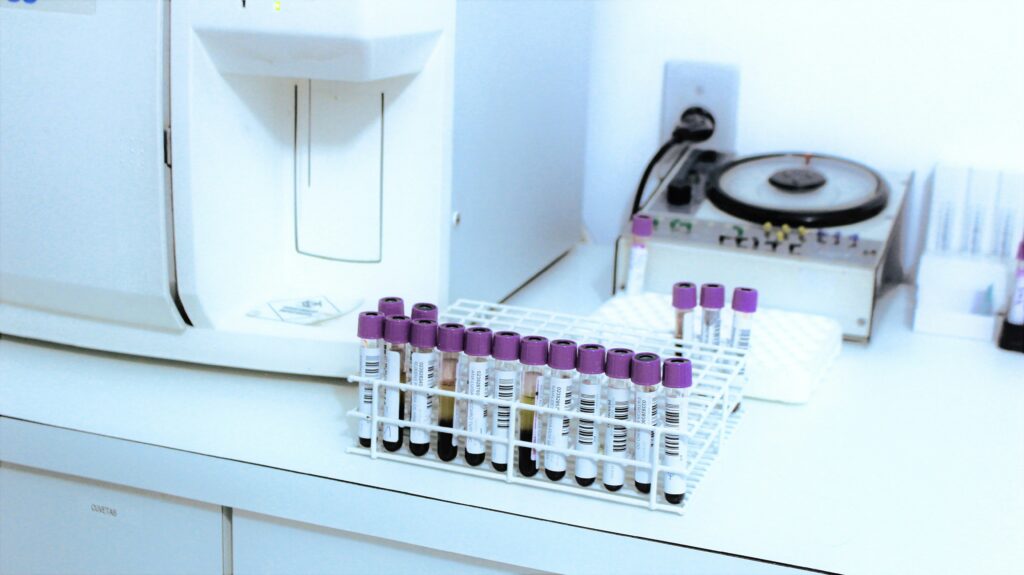
Immediate Access to Test Results Improves the Entire Care
One of the most significant advantages of in-house lab services is immediate access to test results. Instead of waiting days for external laboratories or reference labs, providers can often review findings in real time.
Specific advantages for patients and providers include:
- Reduced need for additional appointments
- Faster conversations about next steps and treatment adjustments
- Fewer disruptions to daily life for patients
- A more streamlined and efficient healthcare experience
This efficiency is further supported by integrated documentation systems, which help reduce errors and streamline care.
Reducing Errors Through Integrated Testing and Documentation
When lab testing is completed onsite and connected directly to electronic health records, the risk of transcription errors may be reduced. Manual data entry, faxed reports, or delayed uploads from external laboratories can sometimes introduce inaccuracies.
Integrated systems allow test results to flow directly into the patient’s record, supporting clarity and continuity of care across multiple locations or providers. This seamless integration also supports ongoing monitoring for patients with chronic conditions.
Supporting Chronic Disease Management With Real-Time
For patients managing chronic conditions, timely lab work plays a crucial role. Conditions such as diabetes often require ongoing monitoring of bloodglucose and related markers.
With an in-house laboratory, providers can perform tests during routine visits, review results immediately, and discuss adjustments to treatment or lifestyle recommendations without delay. This real-time feedback is especially valuable in urgent and preventive care settings.
Improving Urgent and Preventive Care Decision-Making
In urgent care settings, time can be critical. In-house lab testing allows healthcare providers to evaluate symptoms quickly, helping to rule out or confirm issues such as urinary tract infections or other acute concerns.
Faster diagnosis can help determine whether a patient can be treated onsite or needs referral to an emergency room, supporting both safety and efficiency. Convenience and clarity are further enhanced when patients can complete all necessary steps in one location.

Enhancing Patient Satisfaction Through Convenience and Clarity
Patients often value convenience as much as clinical expertise. Having lab work completed in the same facility where they see their provider reduces extra travel, scheduling challenges, and follow-up calls.
This simplified process can improve satisfaction by allowing patients to receive explanations, context, and next steps while still with their provider. Cost-effectiveness is another important consideration for both patients and healthcare systems.
Cost-Effective Care Without Compromising Quality
From a system perspective, in-house laboratory services may contribute to more cost-effective care. Reducing reliance on external laboratories can help limit redundant testing and unnecessary referrals.
For patients, fewer visits and quicker resolution may help lower indirect costs such as time off work or transportation, while still maintaining high standards of quality. The expertise of healthcare professionals ensures that these benefits are delivered safely and effectively.
In-House Labs as a Tool for More Personalized Treatment Plans
When providers have real-time results, they can tailor treatment plans more precisely. Adjustments can be discussed immediately, helping patients understand why certain recommendations are made.
This collaborative approach supports shared decision-making and may improve adherence by ensuring patients feel informed and involved in their care.
Balancing speed with safety is essential in all diagnostic testing.
Balancing Speed With Safety in Diagnostic Testing
While speed is a major benefit, maintaining accuracy and patient safety remains essential. Proper protocols help ensure that rapid testing does not compromise result quality.
Consultation and medical oversight remain critical, particularly when results inform decisions about medications, follow-up testing, or referrals. This careful balance contributes to overall healthcare efficiency and improved outcomes.
The Broader Impact on Healthcare Efficiency and Outcomes
When lab testing, diagnosis, and care planning occur seamlessly, healthcare providers can allocate time and resources more effectively.
This integrated model supports ultimately improving patient outcomes by reducing delays, improving communication, and reinforcing trust between patients and providers. Preventive care is another area where in-house labs make a significant difference.
Why In-House Laboratory Services Matter for Preventive Care
Preventive testing helps identify potential issues before they escalate. With in-house lab work, screenings can be incorporated into routine visits, encouraging proactive health management.
Early evaluation may support timely lifestyle or treatment adjustments, helping patients stay engaged in their long-term wellness goals. Patient education is key to making the most of these services.
What Patients Should Know About Lab Testing and Individual Results
It’s important for patients to understand that lab results represent one part of a broader health evaluation. Individual factors, medical history, and clinical findings all influence interpretation.
Results may guide next steps, but they do not replace personalized consultation with a licensed provider.

FAQ
How accurate are in-house lab tests compared to external laboratories?
When properly managed, in-house lab tests can offer accuracy comparable to external or reference labs. Quality depends on equipment, protocols, and professional oversight.
Do patients receive results during the same visit?
In many cases, immediate results are available during the same appointment. Timing can vary depending on the type of test performed.
Are in-house labs used for chronic disease monitoring?
Yes. In-house laboratories are commonly used to monitor chronic conditions such as diabetes, allowing providers to review trends and adjust care plans efficiently.
Is lab testing safe for everyone?
Lab testing is generally well-tolerated, but individual factors matter. A consultation with a licensed provider is required to determine appropriate testing and interpretation of results.
Conclusion
In-house lab accuracy and patient benefits extend far beyond convenience. When performed with proper oversight, in-house laboratory services can support faster diagnosis, clearer communication, and more efficient care pathways.
By integrating testing directly into patient visits, healthcare providers can deliver care that feels coordinated, responsive, and personalized. While results vary based on individual health conditions, accurate lab testing plays a meaningful role in supporting informed decisions and appropriate treatment planning.
If you’re interested in learning how in-house lab services can support your healthcare needs, contact BluePoint Med Group to schedule a consultation and discuss your options with a licensed provider.