
A meaningful physician-patient relationship remains one of the most influential elements in patient-centered care. As treatment plans become more personalized and wellness goals more diverse, patients increasingly seek connection, clarity, and reassurance from their healthcare providers. Many arrive with concerns about medications, blood pressure readings, chronic conditions, or cosmetic wellness goals — and they want a clinician who listens, communicates clearly, and respects their perspective.
A strong relationship can support better communication, more collaborative decision-making, and a more positive overall health experience. Patients may feel more comfortable sharing information, asking follow-up questions, or expressing fears about surgery, lifestyle changes, or new treatments.
The Foundation of Trust: How Physician Presence Shapes Every Clinical Encounter and Wellness Visit
Trust often begins the moment a person enters the waiting room or greets their provider. Physician presence — the ability to show genuine attention, grounded body language, and calm intention — may help patients feel respected and understood. Small cues such as eye contact, a relaxed posture, and allowing space for patients to speak can make the encounter feel more collaborative.
Patients often evaluate their experience less by medical data and more by whether the provider showed compassion, listened actively, and acknowledged their concerns. This early foundation allows both parties to navigate complex decisions with greater ease.
Active Listening: The Most Powerful Relationship-Building Tool for Physicians and Wellness Providers
Active listening plays a central role in strong patient relationships. When providers reflect on what they hear, explore a patient’s perspective, or ask gentle follow-up questions, patients may feel more engaged in their own health journey. This is especially important for individuals managing heart disease, monitoring blood pressure, or adjusting to a new treatment plan.
Listening with intention also allows clinicians to identify emotional cues, misunderstandings, and goals that might not appear in lab results or health records. The simple act of listening carefully can increase patient trust and build a meaningful connection.

Clear, Honest Communication: A Core Element of Patient-Centered Care and Wellness Outcomes
Communication is not merely the exchange of information; it establishes the tone and direction of the clinical encounter. When physicians explain treatment options, correct misconceptions, and describe potential risks in clear and neutral language, patients often feel more equipped to make informed decisions.
Honest communication also includes acknowledging uncertainty when necessary and avoiding absolute phrases that may mislead patients. By encouraging open communication, clinicians create safer and more transparent interactions that respect both patient autonomy and clinical standards.
Building Trust Through Respect and Empathy in Every Doctor-Patient Interaction
Patients frequently remember whether their provider made them feel valued. When healthcare professionals approach each appointment with empathy, respect, and curiosity about the patient’s life, they reinforce the foundation of trust that supports long-term care.
Respectful interactions help patients feel comfortable discussing sensitive topics, such as lifestyle challenges, stress, physical discomfort, or emotional concerns. Over time, this ongoing rapport may support more consistent follow-up and better continuity in the relationship.
Exploring the Patient’s Perspective: Why Understanding Personal Goals Enhances Wellness and Treatment Planning
To create a meaningful treatment plan, clinicians must understand the patient’s perspective — including fears, expectations, cultural influences, and personal preferences. Some patients may request more information about their medications, while others want reassurance about blood pressure readings or the purpose of diagnostic tests.
By exploring these details, providers can tailor conversations and recommendations in ways that support patient wellbeing while staying aligned with safe, evidence-informed care. This patient-centered approach strengthens trust and gives the patient more control over their wellness decisions.
Body Language and Nonverbal Communication: Subtle Signals That Strengthen or Limit Connection
Nonverbal interaction often speaks louder than words in a clinical setting. Providers who maintain gentle eye contact, avoid rushed movements, and offer space for patient reflection demonstrate care through their presence. These cues may help reduce anxiety and encourage patients to speak openly about symptoms, concerns, or expectations.
Conversely, hurried gestures or limited attention may unintentionally create distance. Understanding these nuances allows healthcare providers to enhance each appointment with a more meaningful interpersonal connection.
Shared Decision-Making: How Collaborative Treatment Plans Empower Patients and Improve Satisfaction
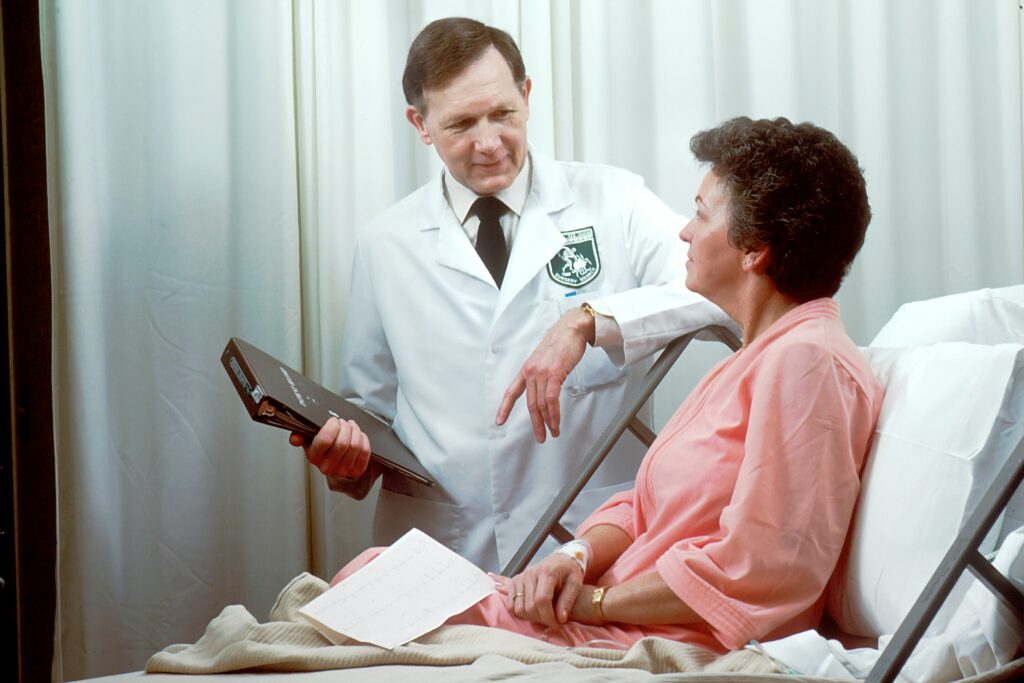
Shared decision-making encourages both parties to engage in a thoughtful conversation about goals, risks, and reasonable expectations. Rather than directing the patient, the clinician guides them through options, clarifies questions, and supports their ability to make informed choices about their own health.
This collaborative process can be particularly valuable when discussing surgery, ongoing therapies, or lifestyle modifications. When patients feel involved, they may experience greater confidence in their chosen path.
The Role of Follow-Up Questions: Deepening Understanding and Improving Patient Experience
Follow-up questions serve as bridges to deeper clarity. When a patient mentions pain, uncertainty, or fear, an additional question helps uncover context that may affect the treatment plan. This simple practice can prevent misunderstandings and ensure both patient and provider remain aligned.
For example, if a patient reports fluctuating blood pressure readings, exploring lifestyle factors, stress levels, or medication timing may reveal contributing patterns. These small moments of curiosity strengthen the relationship and allow for more personalized care.
Patient-Centered Presence Beyond the Appointment: Why Follow-Through Matters in Long-Term Care
Relationship-building does not end when the appointment concludes. Meaningful follow-through, whether through reminders, educational materials, or thoughtful encouragement, can support continuity and help patients feel genuinely cared for. These touches demonstrate intention and keep patients engaged in their own health, wellness, or beauty journey.
Follow-through also signals reliability and reinforces the patient’s trust in their provider, which is essential for a long-term therapeutic connection.
The Growing Body of Research: How Communication and Connection Influence Health Outcomes
A wide range of studies now suggests that strong patient-doctor interactions may support more positive experiences and overall well-being. While outcomes vary, many researchers note that patients who feel supported often engage more actively in their treatment, communicate more openly, and maintain better continuity of care.
These findings continue to inspire medical students, wellness practitioners, therapists, and healthcare providers to refine their interpersonal skills in ways that uplift both the scientific and human sides of medicine.
FAQ
How does a strong doctor-patient relationship support the patient experience?
A supportive relationship may help patients communicate more openly, feel more comfortable asking questions, and better understand their treatment plan. Experiences vary, but many patients report improved clarity and confidence when communication feels respectful and collaborative.
Why is active listening important during medical appointments?
Active listening allows clinicians to understand the patient’s concerns, symptoms, and goals more fully. It helps prevent misunderstandings and supports more patient-centered discussions, whether addressing health conditions, wellness goals, or lifestyle changes.
How can I communicate more effectively with my healthcare provider?
Patients may find it helpful to share specific symptoms, mention worries, or ask follow-up questions. Clear communication supports a meaningful dialogue and allows the healthcare provider to tailor recommendations to the patient’s needs.
Does body language really affect the doctor-patient relationship?
Yes, body language can influence comfort and trust. A provider’s eye contact, posture, and tone may help patients feel more at ease and encourage open communication. These subtle cues support a more positive clinical encounter.
Conclusion
Strong patient-doctor relationships rely on trust, clear communication, empathy, and shared understanding. When clinicians listen attentively, explore the patient’s perspective, and offer thoughtful explanations, they create interactions that support patient comfort and engagement. Over time, these efforts may enrich well-being and improve the overall experience of medical and wellness care.
At BluePoint Med Group, our licensed healthcare professionals prioritize patient-centered communication and compassionate service across all medical and wellness encounters. If you would like guidance, support, or a personalized consultation, we invite you to contact our team and explore how we can assist you.