
In today’s fast-paced world, maintaining good health requires more than just visiting your doctor when something feels off.
True wellness comes from blending professional medical guidance with everyday self-care habits that support your physical, emotional, and mental well-being. The partnership between healthcare professionals and patients becomes even more powerful when individuals take an active role in their health journey.
At Blue Point Medical Group, optimal health is achieved when medical expertise meets mindful self-care. Understanding and supporting the individual’s health needs—considering genetic, psychological, lifestyle, and environmental factors—is essential for truly personalized care.
This balanced, patient-centered approach helps prevent illness, manage chronic conditions, and improve quality of life in sustainable, meaningful ways, while focusing on individual needs and preferences.
Understanding the Connection Between Medicine and Self-Care
Medical care and self-care are often seen as separate concepts—but in reality, they complement each other. While healthcare professionals diagnose, treat, and monitor medical conditions, self-care practices empower individuals to sustain these results and prevent complications.
From managing blood pressure through diet and stress reduction to following post-surgical recovery routines, patients who practice good self-care experience better outcomes. This partnership relies on communication, trust, and education—helping people understand that they are co-pilots in their own health journey, not just passengers. Making informed decisions about their care and self-care practices is essential for achieving the best possible health outcomes.
Why Self-Care Is Essential for Physical and Mental Health
Self-care is not about indulgence—it’s about maintaining your body and mind in ways that enhance overall wellness. Neglecting rest, nutrition, or emotional balance can increase vulnerability to disease, fatigue, and stress-related issues.
Self-care is essential for managing chronic illnesses, as it helps individuals adhere to treatments and improve health outcomes. Making lifestyle changes, such as adopting healthier eating habits, engaging in regular exercise, and managing stress, can help prevent health problems and support long-term well-being.
Physical Health Benefits
- Stronger immune system: Regular exercise, balanced nutrition, and proper hydration improve the body’s defense mechanisms.
- Reduced risk of chronic illness: Managing weight, avoiding smoking, and monitoring vital signs can lower risks of cardiovascular disease, diabetes, and hypertension. Effective self-care can also help minimize the adverse effects of medications or treatments by supporting overall health.
- Faster recovery: Self-care speeds up healing after illness or injury when aligned with medical advice.
Mental Health Benefits
- Stress reduction: Mindfulness meditation and quality sleep help regulate cortisol levels and reduce stress, lessening its impact on mental health.
- Improved emotional resilience: Self-compassion and relaxation techniques enhance mood and prevent burnout.
- Better focus and productivity: Healthy habits support brain function and motivation.
The Role of Healthcare Professionals in Guiding Self-Care
Healthcare professionals such as doctors, nurse practitioners, and allied health providers play a crucial role in helping patients understand which self-care practices are safe, effective, and evidence-based.
Healthcare professionals can:
- Offer personalized recommendations for diet, exercise, and lifestyle adjustments.
- Monitor progress through follow-up visits or digital health tools.
- Provide mental health resources or counseling when stress and emotional strain affect overall wellness.
- Encourage preventive screenings to identify early signs of disease, which is essential for both individual and public health.
In this way, health care becomes proactive rather than reactive—aimed at preventing illness rather than only treating it, benefiting both individual and public health.
Many recommendations provided by healthcare professionals are based on evidence from meta-analyses in healthcare research, ensuring that the best available data inform guidance.
Building Effective Self-Care Habits
Developing long-term self-care habits takes consistency, awareness, and a commitment to sustained behavior change. Start small, focusing on daily actions that align with your medical goals, as these actions help keep you on the right track toward your health goals. The following strategies offer practical steps to support your self-care journey.
1. Prioritize Nutrition and Hydration
Fuel your body with nutrient-rich foods and adequate water intake. Consult with your healthcare provider for dietary guidance tailored to your needs, especially if managing conditions like diabetes or high cholesterol.
2. Practice Regular Physical Activity
Engage in at least 150 minutes of moderate exercise weekly. Even simple activities—like walking, stretching, or yoga—enhance heart health and circulation.
3. Get Quality Sleep
Rest is crucial for cellular repair and hormonal balance. Aim for 7–9 hours of uninterrupted sleep to support both physical and emotional restoration.
4. Manage Stress Mindfully
Incorporate mindfulness meditation, breathing exercises, or journaling to reduce tension. These techniques can lower anxiety and boost emotional clarity.
5. Maintain Social Connections
Healthy relationships improve emotional well-being. Support from family, friends, or community groups strengthens motivation for long-term wellness.
Social workers can also help individuals maintain healthy boundaries and support self-care in both personal and professional contexts.

Overcoming Barriers to Self-Care
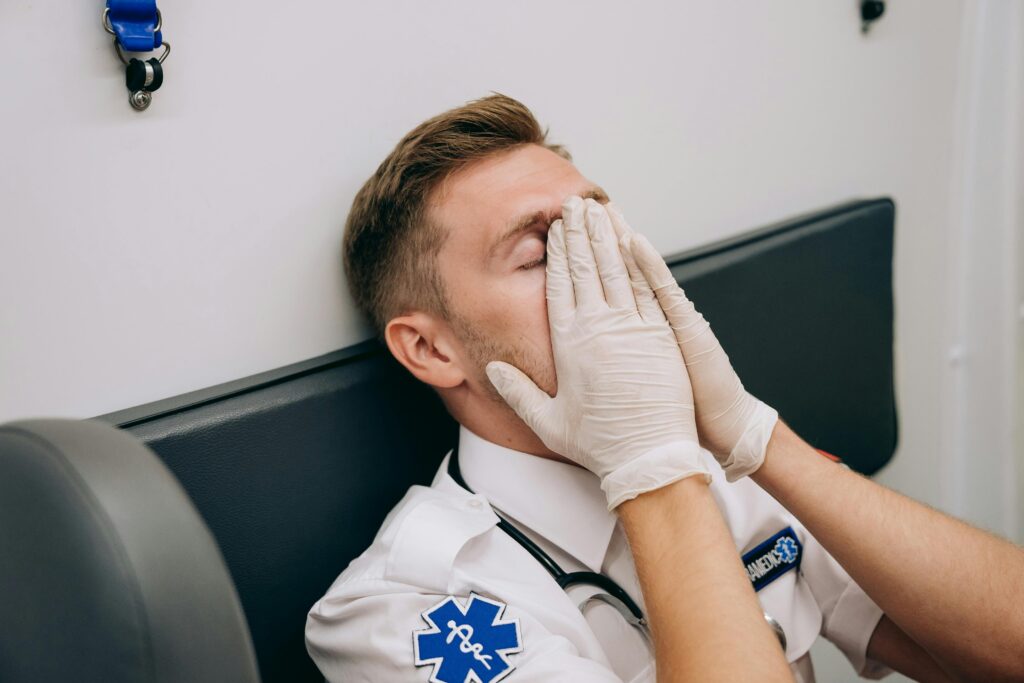
While the benefits of self-care are clear, healthcare professionals often face unique challenges that can make it difficult to prioritize their own physical and mental health. The demanding nature of the healthcare sector, long work hours, and the emotional toll of caring for patients can leave little time or energy for self-care practices.
Yet, overcoming these barriers is essential—not only for the well-being of healthcare workers themselves, but also for improving patient outcomes and building a more resilient healthcare system.
One of the most common obstacles is a lack of time. With packed schedules and competing demands, healthcare providers may struggle to fit self-care strategies into their daily routines. However, even small changes—like taking a few minutes to practice mindfulness meditation between appointments or incorporating physical activity during breaks—can make a significant difference.
Nurse practitioners and other health professionals can benefit from scheduling self-care activities just as they would any important meeting, ensuring their own needs are not overlooked.
Another significant barrier is the stigma surrounding mental health issues within the healthcare profession. Many healthcare workers feel pressure to appear strong and may hesitate to seek help for emotional wellness or mental health problems.
The Impact of Self-Care on Healthcare Outcomes
Studies have shown that patients who take an active role in self-care experience fewer hospital visits, faster recovery times, and improved treatment adherence. For instance:
- Those managing hypertension through diet and exercise see significant reductions in medication reliance.
- Chronic pain patients who combine medical therapy with mindfulness show improved tolerance and mental outlook.
- Individuals practicing consistent self-care report higher satisfaction with their healthcare experience.
In these studies, participants found that engaging in self-care increased their confidence and ability to manage their health effectively.
By aligning medical guidance with personal responsibility, healthcare transforms into a collaborative system that values prevention as much as cure. Self-care positively influences various aspects of health, including physical, emotional, and social well-being.
Digital Health and Self-Care: A Modern Partnership
Technology now bridges the gap between professional care and personal health management.
- Wearable devices track sleep, activity, and heart rate.
- Mobile apps help with medication reminders and mindfulness exercises.
- Telehealth services connect patients with providers conveniently for regular check-ins.
This integration of digital health and self-care empowers patients to stay informed and engaged while allowing doctors to monitor real-time progress remotely.
Emotional Wellness: The Missing Piece of Self-Care
Physical wellness often overshadows emotional health, yet mental resilience is equally important. Chronic stress, depression, and anxiety can influence physical symptoms such as fatigue, headaches, or digestive problems.
Practicing emotional self-care means acknowledging your feelings, setting boundaries, and seeking professional help when needed. Whether through therapy, community support, or spiritual guidance, caring for your mental health enhances your body’s ability to heal and thrive.
A Holistic Approach: Balancing Mind, Body, and Lifestyle
Holistic health integrates medical expertise, self-awareness, and a harmonious lifestyle. It recognizes that all aspects of well-being—physical, emotional, and social—are interconnected.
A holistic health plan might include:
- Regular medical checkups
- Personalized nutrition plans
- Mind-body practices such as yoga or tai chi
- Counseling or therapy sessions
- Sleep optimization and screen-time moderation
This well-rounded strategy encourages long-term stability, reducing the risk of both acute and chronic health problems. Research and collaboration across health sciences disciplines further support the effectiveness of holistic health approaches.

Empowering Patients Through Education and Support
At Blue Point Medical Group, patient education is at the core of every consultation. When patients understand their conditions and the purpose behind each treatment, they become active participants in their care.
Educational resources, health workshops, and open discussions between providers and patients build confidence and promote informed decision-making—key factors in sustainable wellness. Patients are also encouraged to prioritize self-care as a fundamental part of their health journey, making ongoing adjustments to maintain their well-being.
Preventing Burnout: Self-Care for Healthcare Professionals
Healthcare workers themselves must model the behaviors they promote. Long work hours, emotional demands, and high-stress environments can lead to burnout and compassion fatigue.
To stay healthy, professionals should:
- Schedule downtime and vacations regularly.
- Practice mindfulness to decompress after long shifts.
- Seek peer or mental health support when needed.
- Maintain physical activity and healthy sleep routines.
By caring for themselves, providers can continue delivering high-quality, empathetic care to patients.
FAQ
What is the difference between self-care and medical care?
Self-care involves daily habits like eating well, exercising, and managing stress. Medical care includes diagnosis, treatment, and follow-up provided by healthcare professionals. Both work best when combined.
How can I start a self-care routine that supports my medical goals?
Begin with small, consistent actions—such as tracking your sleep, improving your diet, or adding light exercise. Discuss these steps with your provider to ensure they align with your health needs.
Can self-care replace seeing a doctor?
No, self-care complements medical treatment but should never replace professional advice, especially for chronic conditions or severe symptoms.
What are examples of digital self-care tools?
Mobile apps, smartwatches, and telehealth platforms can monitor your health metrics, remind you to take your medications, or guide mindfulness practices.
How does emotional health affect physical health?
Mental health influences hormone balance, immune strength, and recovery speed. Managing stress and practicing mindfulness are essential for maintaining physical wellness.
Conclusion
Combining medical expertise with self-care creates a complete and resilient health system—one that empowers individuals to take charge of their well-being while benefiting from the knowledge and support of trusted professionals.
At Blue Point Medical Group, we encourage every patient to embrace both science and self-awareness as partners in their health journey. With the proper guidance, habits, and mindset, you can build a stronger foundation for lifelong wellness.
Ready to take a proactive approach to your health?
Schedule your next appointment with Blue Point Medical Group today and discover how personalized medical care combined with mindful self-care can help you achieve lasting wellness.