
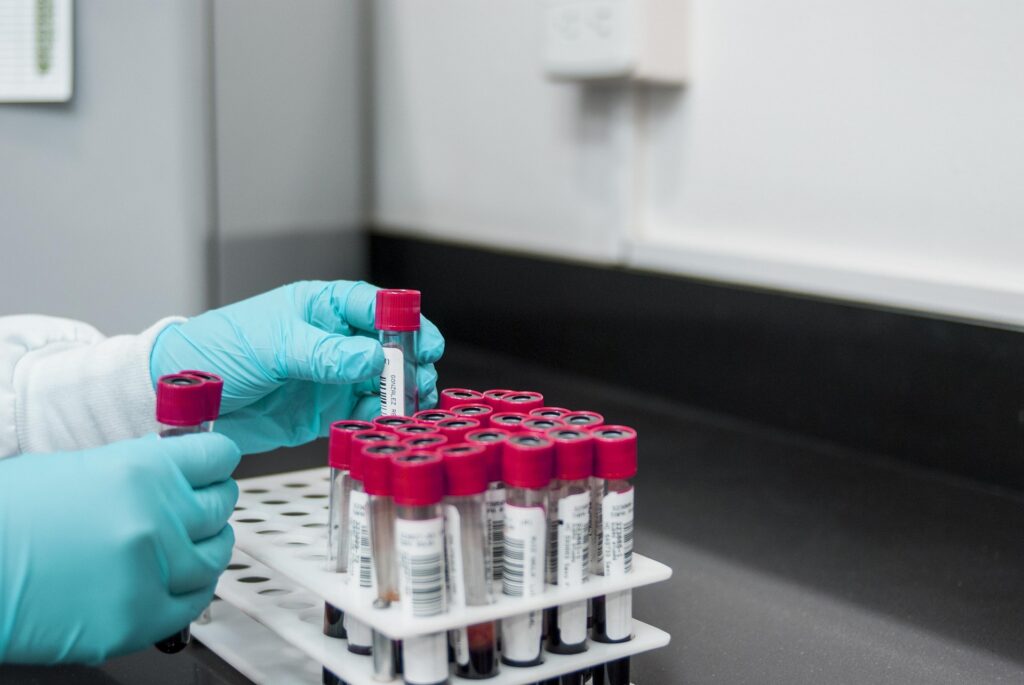
Most people do not think about their kidneys until something feels wrong, and by the time symptoms appear, kidney function may have already been declining quietly for months or years. That gap between silent progression and visible symptoms is exactly why kidney health monitoring in primary care plays such a central role in preventive medicine, particularly for patients managing chronic conditions like high blood pressure or diabetes in a demanding climate like Las Vegas.
Your kidneys perform more than 20 distinct functions, from filtering roughly 200 liters of blood each day to regulating blood pressure, producing hormones that stimulate red blood cell production, and maintaining the body’s acid-base balance. Understanding what your primary care provider watches for, and why certain laboratory values trigger closer follow-up or a nephrology referral, can help you feel less like a bystander in your own care and more like an informed participant.
Kidney function and preventive monitoring in primary care
The kidneys are two fist-sized organs positioned near the lower back, one on each side of the spine. Their primary filtering units are called nephrons, microscopic structures that remove waste products, excess fluid, and electrolytes from the blood, excreting them as urine. When those nephrons become damaged over time, the kidneys lose filtration capacity in a process that can be slow, largely painless, and detectable mainly through laboratory values.
According to the National Kidney Foundation, an estimated 37 million adults in the United States may have chronic kidney disease (CKD), and the majority are unaware of it. The condition progresses through five stages defined largely by kidney filtration, meaning that how quickly and thoroughly the kidneys clean the blood determines how serious the disease has become. Early detection before the kidneys reach the later stages is where primary care has the most meaningful opportunity to slow or stabilize decline.

Creatinine and eGFR in kidney health assessment
When your provider orders routine blood work, two values are especially relevant to kidney health: serum creatinine and estimated glomerular filtration rate (eGFR).
Creatinine is a waste product generated when your muscles break down a compound called creatine. Healthy kidneys filter creatinine out of the blood efficiently, so elevated creatinine levels in the blood often suggest that filtration is not keeping pace. However, creatinine alone can be misleading because it varies with muscle mass, hydration status, and dietary protein intake, which is why providers also calculate eGFR.
The estimated glomerular filtration rate is derived from a formula that factors in your serum creatinine level, age, and sex. It estimates how many milliliters of blood your kidneys can filter per minute and is the primary tool for staging kidney disease. According to the National Institute of Diabetes and Digestive and Kidney Diseases, an eGFR of 60 or above is generally considered within the normal range for most adults, while values below 60 that persist for three months or longer may suggest chronic kidney disease and typically prompt closer monitoring.
A comprehensive metabolic panel (CMP), a common lab panel ordered during annual physicals, includes both creatinine and blood urea nitrogen (BUN), another waste product the kidneys clear. Understanding the components of a comprehensive metabolic panel can provide a more detailed explanation of each value and what providers look for.
Kidney monitoring frequency based on individual risk factors
For most adults without known risk factors, annual kidney function testing is performed at least once as part of a standard preventive care visit. The interval tightens considerably when risk factors are present.
Patients with hypertension are among the most closely watched because sustained elevated pressure can damage the small blood vessels within the nephrons over time. The kidneys and the cardiovascular system are deeply interconnected.
The kidneys help regulate blood pressure through a hormone system called the renin-angiotensin-aldosterone system, and high blood pressure, in turn, accelerates kidney damage. If you are managing elevated blood pressure, your provider may check kidney function every three to six months, adjusting the schedule based on how well your blood pressure is controlled. Understanding hypertension evaluation in primary care can clarify how blood pressure is assessed and managed over time.
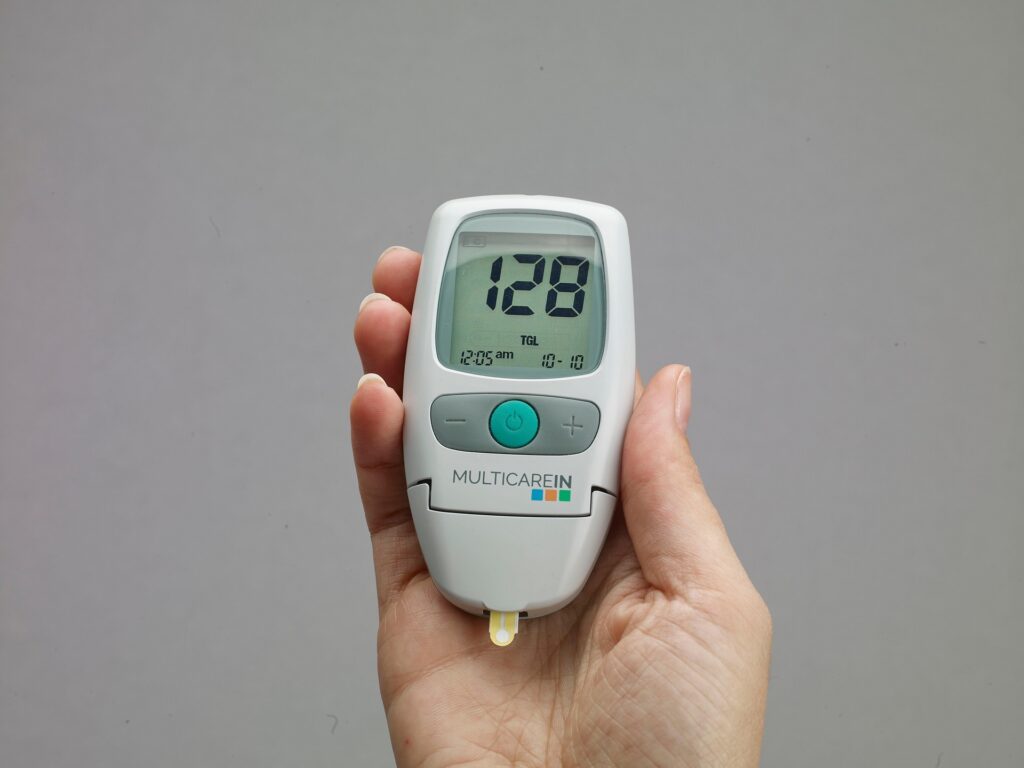
Patients with type 2 diabetes represent another high-priority group. Diabetic nephropathy, or kidney damage caused by chronically elevated blood sugar, is one of the leading causes of kidney failure in the United States, according to the American Diabetes Association. Your provider may monitor not only eGFR and creatinine but also a urine test called the urine albumin-to-creatinine ratio (UACR). This test detects tiny amounts of albumin in the urine, an early sign that the kidney’s filtration barrier may be under stress. A broader understanding of diabetes management in primary care can explain how kidney monitoring fits into long-term blood sugar care.
Other conditions that can prompt more frequent monitoring include a history of kidney stones, recurrent urinary tract infections, cardiovascular disease, obesity, a family history of kidney failure, or prolonged use of certain medications such as nonsteroidal anti-inflammatory drugs (NSAIDs), some antibiotics, and certain blood pressure medications. These drugs can place an additional demand on the kidneys when used regularly over time.
Borderline kidney test results and repeat monitoring
Not every abnormal lab value is a crisis, and this is where the patient experience can become confusing. A borderline eGFR of 58 on one draw does not automatically mean you have kidney disease. A single value taken while dehydrated, after intense exercise, or during an illness may read lower than your true baseline.
Your provider will likely want to confirm the result with a repeat kidney test, typically spaced at least 90 days apart. The diagnosis of CKD conventionally requires evidence of kidney damage or impaired function persisting for three months or longer, precisely to avoid overdiagnosing based on a single transient reading. A persistently borderline eGFR, even one that has not crossed a diagnostic threshold, is often treated as a signal to investigate contributing factors, review current medications, reinforce lifestyle modifications, and establish a closer monitoring schedule.
In Las Vegas, heat and dehydration represent a compounding variable worth naming specifically. Extended exposure to high temperatures can lead to volume depletion, which reduces blood flow to the kidneys and may cause a transient rise in creatinine. Patients who spend significant time outdoors or work in hot environments may find that their hydration habits directly affect their kidney lab results. Understanding the health effects of dehydration and the risks associated with summer heat in Las Vegas can help explain why local climate conditions matter during kidney monitoring.
Nephrology referral criteria for kidney disease
Primary care providers often manage routine kidney health monitoring without specialist involvement. A referral to a nephrologist, a physician who specializes in kidney disease, generally becomes appropriate when kidney function is significantly reduced, declines faster than expected, or the cause or complications of kidney disease require specialist evaluation.
One common referral threshold is an eGFR below 30 mL/min/1.73 m². When this level persists for at least three months, it falls within CKD category G4 if the eGFR is between 15 and 29, or G5 if it is below 15. This degree of reduced kidney function usually calls for closer specialist management and may prompt planning for potential kidney replacement therapy, depending on the patient’s overall risk, rate of progression, and clinical condition.
Another reason for referral is a sustained decline in eGFR that exceeds expected biological and laboratory variation. Current KDIGO guidance notes that a decrease of more than 20% on repeat testing warrants evaluation. A decline greater than 30% after starting certain medications that affect blood flow and pressure within the kidneys also requires assessment.
Persistent or significant albuminuria or proteinuria may also require specialist evaluation, particularly when it is unexplained, continues to increase, or is accompanied by blood in the urine. In selected cases, a nephrologist may recommend a kidney biopsy to clarify the underlying cause.
Difficult-to-control blood pressure may be another reason for referral, particularly when hypertension remains uncontrolled despite an appropriate multidrug treatment plan and kidney involvement is suspected. KDIGO specifically identifies CKD with hypertension that remains resistant despite four or more antihypertensive medications as a reason to involve specialist kidney care.
Persistent potassium abnormalities, acidosis, anemia, bone disease, or other complications of CKD may also support referral because they can indicate that kidney disease requires more specialized evaluation and management.
A primary care provider may also recommend referral when the cause of kidney disease is uncertain or requires a specialized workup. Examples include autoimmune conditions such as lupus nephritis, inherited disorders such as polycystic kidney disease, recurrent extensive kidney stones, and diseases affecting the kidney’s blood vessels.
A referral is not a verdict. It is a step toward developing a more complete picture of your kidney health and gaining access to specialized evaluation and treatment when needed. Many patients who see a nephrologist continue to receive most of their routine care from their primary care physician, with both providers working together to maintain continuity of care.
Lifestyle strategies that support long-term kidney health
Kidney health does not exist in isolation from the rest of your health, and your provider may address several modifiable habits as part of your monitoring conversations.
Blood pressure control is paramount. Keeping systolic blood pressure below 130 mmHg, or at a lower individualized target depending on your situation, may help slow the progression of kidney damage over time, according to guidelines from the American College of Cardiology and American Heart Association. Sodium restriction, weight management, regular physical activity, and limiting alcohol can all contribute to better blood pressure numbers and, by extension, less strain on the kidneys.
Blood sugar management matters equally for diabetic patients. Maintaining hemoglobin A1C (HbA1c) within a target range that your provider individualizes for you may reduce the risk of microvascular complications, including nephropathy. Some newer medication classes, including SGLT2 inhibitors and GLP-1 receptor agonists, have shown kidney-protective effects in clinical trials and may be discussed as part of your management plan.
Hydration in Las Vegas carries special weight. The desert climate and intense summer heat mean that most people are at a higher baseline risk of mild dehydration, which places an avoidable burden on the kidneys. Drinking adequate fluid throughout the day, with the specific amount varying by body size, activity level, and heat exposure, can support the kidneys in doing their filtering work more efficiently.
Protein intake and certain supplement use may also come up in conversation. Very high protein diets can increase the kidneys’ workload, and some herbal supplements and over-the-counter products have been associated with kidney toxicity. Your provider is the right person to evaluate whether any supplements you are taking are appropriate given your kidney function.
FAQ
How often should kidney function be tested?
Most adults without known risk factors have kidney function checked during a routine annual physical. People with diabetes, high blood pressure, cardiovascular disease, a history of kidney problems, or certain medication exposures may need testing every three to six months or according to an individualized schedule established by their provider.
Does one low eGFR result mean chronic kidney disease?
No. A single low eGFR result does not automatically confirm chronic kidney disease. Dehydration, illness, intense exercise, and some medications can temporarily affect the result. Providers generally repeat the test and look for evidence of reduced function or kidney damage that persists for at least three months.
When does a primary care doctor refer a patient to a nephrologist?
A referral may be recommended when kidney function declines significantly, eGFR falls below 30, protein remains in the urine, blood pressure is difficult to control, electrolyte problems persist, or the suspected cause of kidney disease requires specialized testing or treatment.
Conclusion
Kidney disease can progress without obvious symptoms, which makes routine kidney monitoring an important part of preventive primary care. By tracking creatinine, eGFR, urine protein, blood pressure, and blood sugar over time, a primary care provider can identify meaningful changes, determine whether an abnormal result is persistent, and adjust the monitoring plan according to each patient’s individual risk factors.
When kidney test results cross certain clinical thresholds or the underlying cause becomes more complex, a nephrology referral can provide additional specialist expertise while primary care continues to coordinate the broader health picture. Understanding your kidney health numbers can support earlier action, more personalized care, and better long-term decision-making.
Understanding your kidney lab results is an important step toward protecting your long-term health. At Blue Point Medical Group, on-site diagnostics allow your provider to order the bloodwork and urinalysis needed to evaluate kidney function, review the results within the context of your complete medical history, and develop a monitoring plan based on your individual needs, all in one primary care location in Las Vegas.
If you have not had a comprehensive metabolic panel recently, manage diabetes or high blood pressure, or have been told that your kidney numbers are borderline, schedule a comprehensive primary care visit to discuss what your results mean and what steps may be appropriate. Schedule an appointment with Blue Point Medical Group to begin a personalized kidney health evaluation.
This content is for informational purposes only and does not constitute medical advice. Always consult a qualified healthcare provider for personal medical decisions.