

If you’ve ever left an annual exam feeling uncertain about which tests were ordered and why, you’re not alone; women’s health screenings in primary care can span a wide range of assessments, and the reasoning behind each one isn’t always explained clearly in a short appointment slot. Understanding what your provider is looking for and at what life stages those evaluations tend to shift can help you arrive better prepared and leave with a clearer sense of your own health picture.
Preventive care for women isn’t a single checklist; it’s a layered strategy that evolves as your age, family history, and personal risk factors change over time. Primary care physicians in Las Vegas, like those at Blue Point Medical Group, often coordinate these screenings under one roof, drawing from evidence-based guidelines issued by organizations such as the U.S. Preventive Services Task Force (USPSTF), the American Cancer Society, and the American Heart Association (AHA). The goal is not to find everything that could go wrong, but to catch developing conditions early enough that you and your care team have more options available.
Primary care for women’s preventive health screenings
Many women think of gynecologists as their primary source of women’s health screenings, and while OOB-GYNs certainlyplay a role, the scope of preventive care extends well beyond reproductive health. A primary care physician, or internal medicine physician, takes the broader view, tracking your cardiovascular function, metabolic health, thyroid status, bone density, and mental well-being alongside any reproductive concerns. This matters because many of the conditions most likely to affect women over time, including heart disease, type 2 diabetes, and osteoporosis, often develop quietly, without obvious symptoms in their early stages.
Las Vegas residents have an added layer of environmental context worth noting. The desert climate, long stretches of outdoor heat, and the culturally late-night lifestyle common in this city can all interact with underlying health patterns, affecting hydration, sleep, cardiovascular stress, and metabolic markers in ways that are worth discussing with your provider, particularly during annual screenings. The relationship between summer heat and health risks in Las Vegas is therefore another important part of the broader preventive health picture.
Because primary care maintains your longitudinal health record, meaning your results are compared against your previous results, not just a population average, subtle trends become visible over years of consistent care. That continuity is one of the reasons establishing an ongoing relationship with a primary care physician tends to support better long-term outcomes than episodic or urgent-care visits alone. Understanding the differences between internal medicine and primary care also provides useful context on how these care models support long-term health.
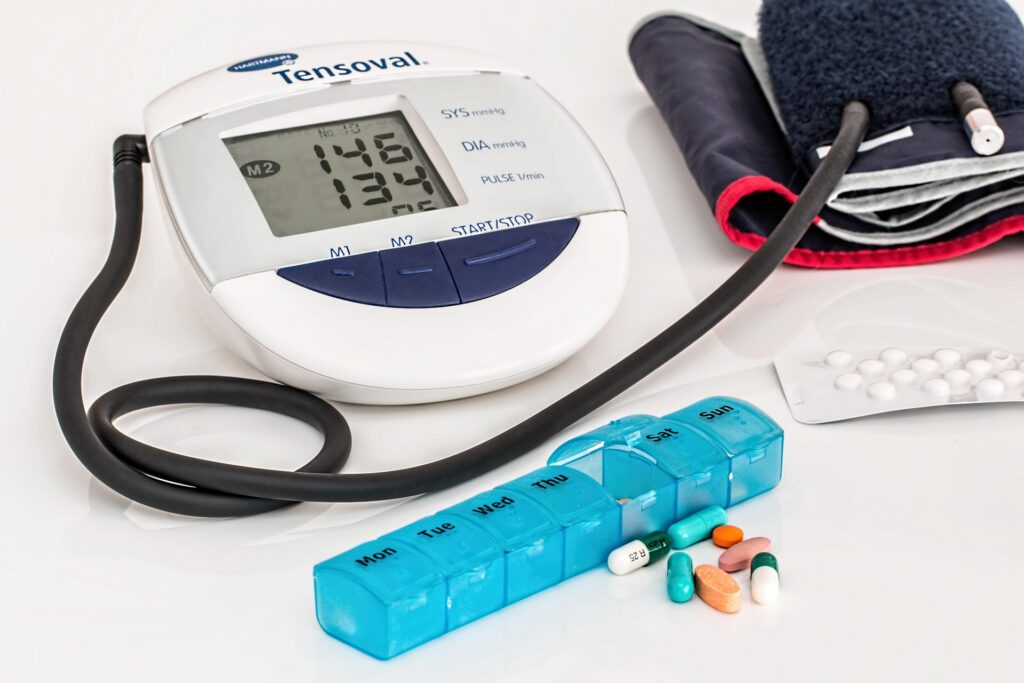
Essential preventive health screenings for women
Rather than listing every possible test, it helps to understand the categories of screening your provider may address and what each one is actually measuring.
Cardiovascular health screening for women
Heart disease is the leading cause of death among women in the United States, according to the CDC; yet it remains broadly underdiagnosed in women, in part because symptoms can present differently than the classic patterns often associated with male patients. A primary care physician will typically assess your cardiovascular risk using a combination of blood pressure measurement, lipid panel (a blood test that measures cholesterol and triglyceride levels), and fasting glucose, which gauges how your body processes sugar.
Blood pressure is checked at nearly every routine visit, and for good reason; hypertension, or chronically elevated blood pressure, often produces no symptoms while quietly increasing the workload on your heart and arteries over time.
Cholesterol management is tightly linked to cardiovascular risk, and your provider may begin recommending lipid screenings in your twenties if risk factors such as family history, smoking, or obesity are present, or in your thirties and beyond as a baseline measure.
According to the AHA, women’s cardiovascular risk can shift significantly after menopause, making the years approaching and following that transition an important window for more frequent monitoring. A closer look at cholesterol management in primary care and hypertension evaluation in primary care can help explain the evaluation process in more detail.
Diabetes and metabolic health screening for women
Type 2 diabetes often develops gradually, with the body’s insulin sensitivity declining over years before blood sugar reaches diagnostic levels. This is why your provider may order a fasting blood glucose test or a hemoglobin A1c, a measure of your average blood sugar over the prior two to three months, even when you feel entirely well.
The USPSTF recommends screening for prediabetes and type 2 diabetes beginning at age 35 for adults who are overweight or obese, and earlier for those with additional risk factors such as a family history of diabetes, a personal history of gestational diabetes, or polycystic ovary syndrome (PCOS), a hormonal condition that affects insulin sensitivity.
A comprehensive metabolic panel (CMP), a blood test that evaluates kidney function, liver enzymes, electrolyte balance, and blood glucose simultaneously, may offer your provider a broader metabolic snapshot within a single draw. Understanding the components of a comprehensive metabolic panel can help you interpret your own results more clearly.
Thyroid function testing for women
The thyroid gland, a small butterfly-shaped structure in your neck, produces hormones that regulate metabolism, energy, mood, and menstrual cycle regularity. According to the American Thyroid Association, women are five to eight times more likely than men to develop a thyroid condition over their lifetime. Hypothyroidism, an underactive thyroid, can cause fatigue, weight gain, cold sensitivity, and irregular periods, symptoms that overlap with many other conditions and are therefore easy to overlook or attribute elsewhere.
Thyroid-stimulating hormone (TSH) is the standard screening test, measuring how hard your pituitary gland is working to prompt the thyroid into action; elevated TSH can indicate that the thyroid is underperforming and needs extra signaling. Your provider may recommend TSH screening if you have symptoms that suggest thyroid dysfunction, a family history of thyroid disease, or a personal history of autoimmune conditions such as lupus or rheumatoid arthritis. Understanding thyroid testing in primary care can provide a clearer picture of how this test fits into the broader diagnostic process.
Bone density screening and osteoporosis prevention
Osteoporosis, a condition in which bones lose density and become more susceptible to fractures, is significantly more common in women than men, due in part to the role that estrogen plays in maintaining bone mass. According to the National Osteoporosis Foundation, approximately one in two women over age 50 will experience an osteoporosis-related fracture in their lifetime.
A DEXA scan (dual-energy X-ray absorptiometry) is the standard test for measuring bone mineral density, and the USPSTF recommends this screening beginning at age 65 for women without known risk factors, and earlier for postmenopausal women under 65 who have risk factors such as low body weight, smoking, a family history of hip fracture, or long-term use of corticosteroid medications.
Cervical, breast, and colorectal cancer screenings
Cervical cancer screening via Pap smear, a collection of cells from the cervix to check for abnormal changes, is generally recommended every three years for women aged 21 to 65, or every five years combined with HPV testing for women aged 30 to 65, according to the USPSTF.
Breast cancer screening guidelines have evolved in recent years; the USPSTF currently recommends mammography every two years for average-risk women beginning at age 40, while the American Cancer Society suggests annual mammograms beginning at 45. If you have a family history of breast or ovarian cancer or a known BRCA gene variant, your provider may recommend genetic counseling and earlier or more frequent imaging.
Colorectal cancer screening typically begins at age 45, regardless of gender, according to current USPSTF guidelines. Options range from stool-based tests conducted at home to colonoscopy, a procedure in which a physician visually examines the inner lining of the colon and rectum, and your provider can help you choose the approach that makes the most sense given your history and preferences.
Women’s health screenings by age and life stage
The screenings that make the most sense for you at 28 are often different from those at 45 or 65, and part of the value of a sustained primary care relationship is having a provider who adjusts that plan over time rather than applying a one-size-fits-all approach.
In your twenties and early thirties, the focus tends to be on baselines, establishing what your blood pressure, cholesterol, glucose, and thyroid function look like when you are healthy, so that future results have a reference point to return to. Pap smears and STI screenings typically begin in this window, and if you are planning a pregnancy, your provider may also evaluate thyroid function, iron stores, and vitamin D levels ahead of conception.
In your thirties and forties, metabolic screening often becomes more frequent, particularly for women managing weight, stress, or a family history of heart disease or diabetes. This is also the window in which perimenopause, the transitional phase before menstruation ceases, may begin to affect hormonal balance, mood, sleep, and cardiovascular risk. Mammography often enters the conversation during this decade.
In your fifties and beyond, bone density screening, cardiovascular risk assessment, and colorectal cancer screening move to the forefront. Blood pressure and cholesterol tend to require closer attention as estrogen levels decline and cardiovascular risk climbs. Annual wellness visits with a comprehensive lab panel can help your provider track several systems simultaneously and identify patterns before they become harder to manage. A broader view of health screenings by age provides a useful framework for understanding how preventive needs shift across decades.

Preparing for a women’s preventive care appointment
Arriving prepared can make the appointment more productive for both you and your care team. If possible, bring a list of any symptoms you’ve noticed, even vague ones such as fatigue, irregular periods, hair changes, or difficulty sleeping, along with any medications and supplements you currently take, including over-the-counter products and herbal preparations.
A family health history summary, particularly noting any first-degree relatives (parents, siblings) with heart disease, diabetes, cancer, or thyroid disease, can meaningfully shape which screenings your provider prioritizes.
If you haven’t established care with a primary care physician yet, or if it has been more than a year since your last comprehensive visit, it may be worth scheduling a new patient wellness appointment rather than an issue-focused visit; the two have different scopes, and a wellness visit is specifically structured around the kind of age-appropriate preventive review described in this guide.
FAQ
How often should women have preventive health screenings?
The frequency of women’s preventive health screenings depends on age, personal medical history, family history, and individual risk factors. Some evaluations, such as blood pressure checks, are commonly performed during annual wellness visits. Other screenings, including mammograms, Pap smears, colorectal cancer tests, and bone density scans, follow age-based and risk-based recommendations. A primary care physician can help determine the appropriate schedule for each patient.
What health screenings are recommended for women under 40?
Women under 40 may receive blood pressure checks, cholesterol testing when appropriate, diabetes screening based on individual risk factors, cervical cancer screening, STI testing when indicated, and thyroid testing when symptoms or family history suggest a possible concern. The specific screenings recommended will depend on the patient’s health history, lifestyle, family history, and reproductive health needs.
Can a primary care physician perform women’s preventive health screenings?
Yes. A primary care physician can coordinate many of the preventive screenings women need, including cardiovascular risk assessments, diabetes screening, thyroid testing, routine laboratory work, and mental health evaluations. Primary care physicians can also provide referrals for mammograms, bone density scans, colonoscopies, genetic counseling, and other specialized evaluations when necessary.
Conclusion
Women’s health screenings are most effective when they are part of a consistent, personalized preventive care plan that changes with your age, medical history, family history, and individual risk factors.
Regular visits with a primary care physician can help identify subtle changes in cardiovascular, metabolic, thyroid, bone, and reproductive health before they become more difficult to manage. By staying current with recommended screenings, discussing new symptoms, and reviewing your results over time, you and your care team can make informed decisions that support early detection, long-term health, and care that reflects your specific needs.
Blue Point Medical Group offers primary care and internal medicine services in Las Vegas, with on-site diagnostics — including blood draws, EKGs, and lab processing — that allow many of these screenings to be completed during or shortly after your visit. If you’re ready to establish care, update your preventive screenings, or simply talk through which tests make sense for your current stage of life, you can schedule an appointment at bluepointmedgroup.com.
This content is for informational purposes only and does not constitute medical advice. Always consult a qualified healthcare provider for personal medical decisions.