

One of the most common conditions managed through primary care is high cholesterol, and it is also one of the least visible. Unlike a cough, joint pain, or shortness of breath, elevated cholesterol usually does not cause symptoms that patients can feel. The CDC notes that the only way to know whether cholesterol is high is through a blood test called a lipid profile.
Most patients learn about their numbers through a lipid panel ordered during a routine visit, annual physical, or follow-up appointment for another health concern. That blood test, along with a conversation with your primary care doctor, can help guide a plan that may include nutrition changes, physical activity, follow-up monitoring, and in some cases, medication.
Because high cholesterol can contribute to plaque buildup inside artery walls, managing it early may support long-term cardiovascular health. The American Heart Association explains that cholesterol levels that are too high can increase the risk of heart disease and stroke.
Lipid Panel Results Explain More Than One Number
Your primary care physician screens for cholesterol using a lipid panel, a blood test that measures several values related to fats in the bloodstream. These numbers help your doctor understand how your body processes cholesterol and triglycerides, but they are most useful when reviewed together.
Total cholesterol represents the combined amount of cholesterol in the blood. A total cholesterol result above 200 mg/dL may be considered high, while 240 mg/dL or higher is classified as high total cholesterol by the CDC. Your provider may use this number as an overview, but it does not tell the full story by itself.
LDL cholesterol, often called “bad” cholesterol, is one of the most important values in the panel because higher LDL may contribute to atherosclerosis, or plaque buildup inside arteries. Your target LDL level depends on your overall cardiovascular risk, including whether you have diabetes, hypertension, kidney disease, a history of heart problems, or a family history of heart disease.
HDL cholesterol, often called “good” cholesterol, helps transport cholesterol away from the bloodstream and back to the liver. Higher HDL levels are generally considered more favorable. Your doctor reviews HDL with the rest of your lipid panel results instead of treating it as a stand-alone result.
Triglycerides are a type of fat that the body stores from unused calories. Elevated triglyceride levels may be influenced by diet, alcohol intake, blood sugar regulation, weight, medications, and genetics. When triglycerides are high alongside elevated LDL or low HDL, your provider may discuss lifestyle changes and additional monitoring.

Risk Factors Shape the Cholesterol Plan
A lipid panel result does not exist in isolation. Two patients may have the same LDL cholesterol number but receive different recommendations because their overall risk profiles are different.
Your primary care doctor may consider age, sex, blood pressure, smoking history, weight, activity level, family history, kidney health, and the presence of diabetes or prediabetes. These factors help estimate the likelihood of a future cardiovascular event and guide how actively cholesterol should be managed.
High blood pressure and elevated cholesterol often need to be reviewed together. When both are present, the strain on the arteries and heart may increase. A provider may therefore coordinate cholesterol management with blood pressure evaluation and lifestyle counseling.
Diabetes and prediabetes also affect the risk conversation. Patients with blood sugar irregularities may have a higher risk of heart disease, even when cholesterol numbers appear only moderately elevated. If your doctor sees patterns related to prediabetes warning signs, they may review cholesterol, glucose, A1C, weight, and blood pressure together.
Smoking, limited physical activity, certain dietary patterns, and obesity can also influence cholesterol management. The USPSTF recommends statin therapy for primary prevention in adults ages 40 to 75 who have one or more cardiovascular risk factors and an estimated 10-year cardiovascular disease risk of 10% or greater.
Lifestyle Changes Are Often the First Step
For many patients, the first step in cholesterol management is a lifestyle-focused plan. This may be especially true when LDL levels are mildly or moderately elevated, and the patient does not have a high overall cardiovascular risk.
Your primary care physician may discuss reducing saturated fat, limiting highly processed foods, increasing soluble fiber, and choosing more nutrient-dense meals. Foods such as oats, beans, lentils, fruits, vegetables, nuts, seeds, and fish may support a heart-conscious eating pattern.
Physical activity can also support cholesterol control. Regular movement may help raise HDL cholesterol, lower triglycerides, support weight management, and improve blood pressure and blood sugar regulation. Your provider may recommend starting gradually, especially if you have pain, shortness of breath, a chronic condition, or have not exercised regularly.
Weight management may be part of the conversation when appropriate. Even modest weight changes can support improvements in lipid levels, blood pressure, and blood sugar for some patients. Your doctor may connect this discussion to broader lifestyle habits instead of focusing only on the number on the scale.
Smoking cessation is another important part of cardiovascular risk reduction. Quitting smoking can support healthier HDL levels and reduce risk beyond cholesterol alone. A primary care provider can discuss cessation options, medication support, and follow-up strategies when needed.

Medication May Be Recommended for Higher-Risk Patients
Lifestyle changes are important, but they may not always be enough. When cholesterol levels remain above the target range or a patient’s overall cardiovascular risk is elevated, your primary care doctor may discuss medication.
Statins are the most commonly prescribed medication class for cholesterol management. They work by reducing cholesterol production in the liver and can help lower LDL cholesterol. Your provider may recommend a statin based on your LDL level, age, diabetes status, blood pressure, smoking history, and estimated 10-year risk.
Before starting a medication, your doctor should explain the expected benefits, possible side effects, alternatives, and monitoring plan. Some patients report muscle aches or weakness while taking statins, while others tolerate them well. Liver enzyme changes and blood sugar changes may also be monitored through periodic blood work when clinically appropriate.
For patients who cannot tolerate statins or do not reach their target with statin therapy alone, other medications may be considered. Ezetimibe can reduce cholesterol absorption in the intestine. PCSK9 inhibitors may be considered for selected patients with very high LDL levels or specific risk profiles. These options should be reviewed with a licensed provider who can weigh risks, benefits, cost, and medical history.
Medication does not replace nutrition, movement, sleep, smoking cessation, or weight-related goals. It is usually part of a broader plan that includes follow-up visits and repeat lab work to see whether the approach is working.
Follow-Up Testing Helps Track Progress
Managing high cholesterol is not a one-time event. Your primary care doctor may build cholesterol monitoring into your ongoing care plan with periodic lipid panel testing, risk reassessment, and adjustments over time.
After a lifestyle plan or medication change, your provider may recommend repeating a lipid panel to measure progress. If LDL cholesterol decreases as expected, the current approach may continue. If the change is limited, your doctor may revisit diet, activity, medication adherence, dosage, side effects, or other health factors.
Your risk profile may also change over time. A new diagnosis of hypertension, diabetes, kidney disease, or a cardiovascular event in a close family member may affect your target LDL level or the intensity of your treatment plan. Your physician can explain how these changes affect your personal care strategy.
This is one of the main benefits of managing cholesterol through primary care. A consistent provider can compare years of lab results, review your medical history, and identify trends before they become more difficult to manage.
At Blue Point Medical Group, blood specimen collection can make testing more convenient by allowing many patients to complete their lipid panel through the same care setting where results and next steps are reviewed.
Cholesterol Is Connected to Other Health Conditions
High cholesterol often appears alongside other health concerns. This is why your provider may review it with blood pressure, blood sugar, weight, kidney markers, liver markers, and lifestyle factors.
For example, high triglycerides may be connected to insulin resistance, diabetes, alcohol intake, certain medications, or dietary patterns. Elevated LDL may be reviewed with family history and blood pressure. Low HDL may prompt a discussion about activity level, smoking, weight, and metabolic health.
Your doctor may also use other labs to understand the full picture. A comprehensive metabolic panel can provide information about kidney function, liver function, glucose, electrolytes, and protein levels. A routine blood work review may reveal patterns that help guide the cholesterol plan.
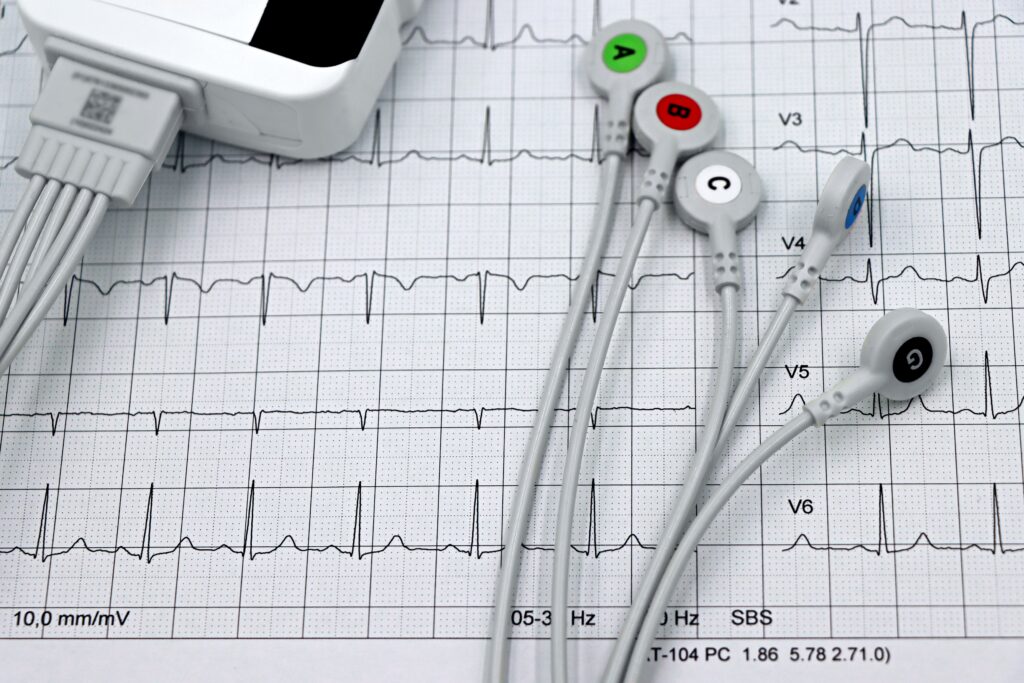
If symptoms such as chest discomfort, palpitations, shortness of breath, or reduced exercise tolerance are present, your provider may consider additional evaluation. In some cases, an EKG test or referral may be appropriate, depending on the clinical situation.
Preparing for a Lipid Panel
Your doctor’s office will tell you whether fasting is needed before a lipid panel. Traditional guidance often involves fasting before cholesterol testing, but non-fasting panels may be acceptable for many patients depending on the reason for testing.
Triglyceride levels can be more affected by recent food intake than total cholesterol, LDL, or HDL. If your triglycerides were previously high, if your provider needs a precise fasting comparison, or if other tests are being ordered at the same time, fasting may still be recommended.
Patients should follow the instructions given by their provider or lab team. If your blood work includes other tests that require fasting, such as some glucose or metabolic testing, you may be asked to fast even if the cholesterol portion could otherwise be done without fasting. Reviewing fasting instructions before your appointment can help avoid delays.
FAQ
How Often Should Adults Have Their Cholesterol Checked?
Many healthy adults may have cholesterol screening every four to six years, while patients with elevated cholesterol, diabetes, heart disease, family history, or other risk factors may need testing more often. Your primary care doctor can recommend a schedule based on your age, risk profile, and treatment plan.
Do I Need to Fast Before a Lipid Panel?
Not always. Some lipid panels can be done without fasting, but your provider may recommend fasting if triglycerides need closer evaluation or if your blood work includes other fasting labs. Follow the instructions from your doctor’s office before your appointment.
Can High Cholesterol Be Managed Without Medication?
Some patients with mildly to moderately elevated cholesterol may improve their numbers through nutrition changes, exercise, weight management, and smoking cessation. Others may need medication depending on LDL level, risk factors, diabetes status, family history, or prior cardiovascular disease. Your provider can help determine the safest plan for your situation.
Conclusion
High cholesterol is common, usually silent, and often manageable when it is identified early and followed consistently. A lipid panel gives your doctor important information, but the best plan depends on your full health picture, including blood pressure, blood sugar, family history, lifestyle, medications, and overall cardiovascular risk.
Individual results vary, and treatment decisions should be made with a licensed healthcare provider. Lifestyle changes and medications may have different benefits, limitations, and risks depending on your health profile.
Ready to check your cholesterol levels? Schedule an appointment with Blue Point Medical Group for a lipid panel, lab review, and a personalized conversation about your cardiovascular health.
This article is for informational purposes only and does not constitute medical advice, diagnosis, or treatment. Individual results vary. Testing and treatments may have risks, limitations, or contraindications. Always consult a licensed healthcare provider before making decisions about your health or changing your treatment plan.