

A blood pressure reading that comes back higher than expected can raise questions you were not prepared to answer. You may wonder whether one reading confirms a diagnosis, what tests come next, or whether medication is inevitable. These concerns are common, and they bring many adults into primary care offices each year. High blood pressure is one of the most frequent topics discussed during routine medical visits, making hypertension a primary care evaluation an important part of adult preventive health.
Your primary care doctor follows a structured process when blood pressure reads high. That process is designed to confirm the reading, identify contributing factors, and build a care plan around your individual health picture. Knowing what to expect at each step may help reduce the uncertainty that often accompanies a routine primary care checkup when blood pressure becomes the focus.
Understanding the Initial Blood Pressure Reading
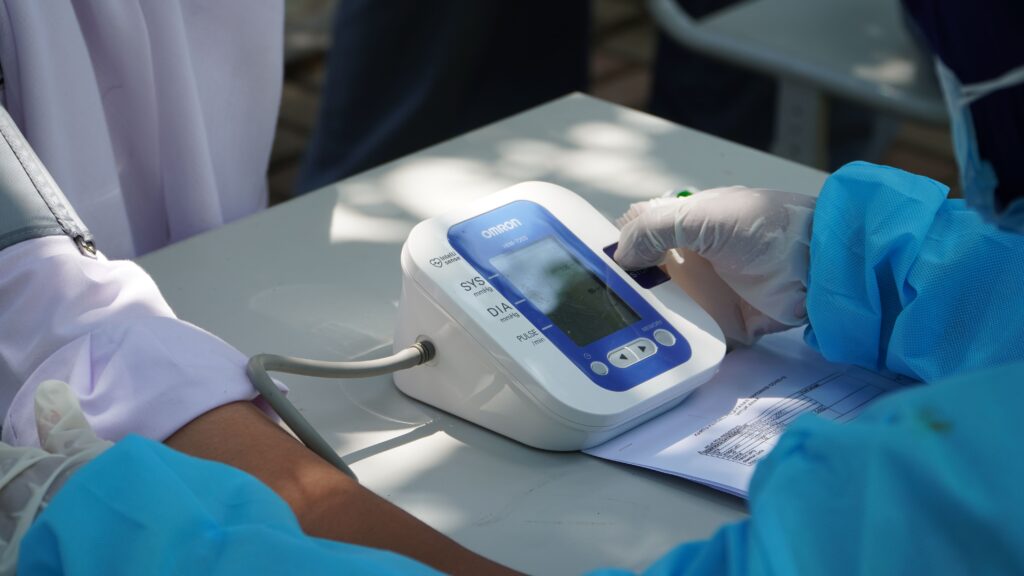
The first step in a blood pressure evaluation happens with a cuff around your upper arm. A primary care team member records two numbers: systolic pressure, which measures force against artery walls when the heart contracts, and diastolic pressure, which measures that force when the heart rests between beats. Both numbers matter, and your doctor reads them together to assess where your blood pressure falls within established categories.
A single elevated reading does not confirm hypertension. Your blood pressure fluctuates throughout the day based on activity, stress, caffeine intake, hydration, and even the position of your arm during the measurement. Some patients experience what clinicians call white coat hypertension, a temporary spike triggered by the anxiety of being in a medical setting. Your primary care physician accounts for this variability before concluding a single visit.
The reading itself gives your doctor a starting point. If the numbers fall above the normal range, your physician may take a second reading later in the same appointment or ask you to return for a follow-up measurement. That confirmation step helps avoid basing a diagnosis on a number that may not reflect your typical blood pressure.
Confirming Elevated Readings Over Time
Your primary care doctor may ask for repeated blood pressure measurements across two or more office visits before confirming a hypertension diagnosis. Follow-up readings help distinguish a temporary spike from a sustained pattern. This step is especially important because treatment decisions are usually based on trends rather than one isolated measurement.
Some physicians recommend home blood pressure monitoring as part of this confirmation process. A validated home monitor allows you to record readings in a familiar environment, free from the stress that a clinical setting can introduce. Your doctor may ask you to log your blood pressure at specific times over several days and bring that record to your next visit. These home readings often provide a more complete picture of your cardiovascular health than any single office measurement can capture.
Ambulatory blood pressure monitoring, where a portable device records readings at intervals over 24 hours, is another tool your primary care physician may use. This approach captures patterns during sleep and daily activities that standard office visits may miss. Together, these methods help your doctor confirm whether your blood pressure remains consistently above the threshold that warrants further evaluation, or whether your numbers settle into a normal range outside the clinic.
Risk Factors Included in the Assessment
Once your primary care doctor confirms that your blood pressure readings are consistently elevated, the next step involves understanding why. Your physician builds a clinical picture by evaluating the factors that may contribute to or worsen hypertension, and this conversation often covers more ground than many patients expect.
Family history plays a measurable role. If a parent or sibling has been diagnosed with high blood pressure or experienced a cardiovascular event such as a heart attack or stroke, your doctor weighs that information when assessing your risk profile. Your physician may also use risk assessment tools to estimate your short-term and long-term cardiovascular disease risk, using clinical data such as age, blood pressure, cholesterol values, and other health markers.
Your doctor may also review your body weight, sodium intake, physical activity level, alcohol consumption, smoking status, and stress level. Each of these factors can raise blood pressure independently, and several of them together may compound the effect. Existing conditions matter as well. A patient with prediabetes or kidney disease faces a different risk profile than someone with elevated blood pressure as an isolated finding.
Your doctor reviews current medications, too, because certain prescriptions and over-the-counter products may raise blood pressure as a side effect. Some anti-inflammatory drugs, decongestants, stimulants, and supplements can affect readings. The health screenings recommended for adults over 40 often overlap with this assessment, since age-related changes in arterial stiffness and metabolic function may increase the likelihood of a hypertension finding during a routine visit.
Lab Work and Diagnostic Support
Your primary care doctor may order several blood tests and urine tests to understand how high blood pressure may be affecting your body and to identify conditions that could be contributing to the elevation. This diagnostic step often happens at the same visit where the evaluation begins, particularly at practices that offer on-site blood specimen collection and in-house lab processing.
A comprehensive metabolic panel measures your electrolyte levels, kidney function markers such as creatinine and blood urea nitrogen, and blood glucose. This panel helps your doctor determine whether your kidneys are filtering blood as expected and whether blood sugar levels suggest an underlying metabolic concern. A lipid panel checks your LDL cholesterol, HDL cholesterol, and triglycerides, all of which contribute to your overall cardiovascular risk alongside blood pressure.
A urine albumin-to-creatinine ratio may also be ordered when your doctor wants to evaluate kidney stress or early signs of kidney involvement. This test detects small amounts of protein in the urine that may signal early kidney damage, which high blood pressure can contribute to over time. Your doctor may also order a standard urinalysis to screen for other abnormalities.
An electrocardiogram, also known as an EKG, may be part of the evaluation if your physician wants to check for changes in heart rhythm or signs of strain related to sustained high blood pressure. Regular lab work supports ongoing monitoring for patients with chronic conditions, and the results from your initial hypertension evaluation serve as a baseline for future comparisons. Understanding your lab results can also help you follow the conversation your doctor initiates when those numbers come back.
If your blood pressure does not respond to initial treatment, or if your doctor suspects a secondary cause, an aldosterone-to-renin ratio test may be ordered. This screens for a hormonal imbalance that can drive resistant hypertension in some patients.
Blood Pressure Categories and Care Planning
Your primary care doctor uses established categories when interpreting confirmed blood pressure readings. A normal reading falls below 120 over 80 mm Hg. Elevated blood pressure generally describes systolic readings from 120 to 12,9 with diastolic remaining below 80. Stage 1 hypertension often covers systolic readings from 130 to 139 or diastolic readings from 80 to 89. Stage 2 hypertension applies when systolic pressure reaches 140 or above, or diastolic pressure reaches 90 or above.
These categories shape the direction of your care. A patient with elevated blood pressure may receive guidance focused on lifestyle modifications, with a follow-up appointment scheduled to monitor whether those changes bring the numbers down. A patient with stage 1 hypertension may discuss lifestyle changes alongside the possibility of medication, particularly if their overall cardiovascular risk is elevated. A patient with stage 2 hypertension may need medication sooner, especially if readings remain consistently high after confirmation.
Your doctor’s recommendation depends on the full picture: your blood pressure category, your lab results, your risk factors, your symptoms, and your goals. The category provides a framework, but the care plan is built around you. This is why consistent primary care can be especially helpful for patients monitoring hypertension over time.

Lifestyle and Medication Conversations
The evaluation does not end with a diagnosis or a prescription. Your primary care doctor uses the assessment to open a conversation about the changes that may lower your blood pressure and reduce your long-term cardiovascular risk.
Sodium reduction is one of the first topics your physician may raise. Your doctor may discuss how to read nutrition labels, identify high-sodium foods, and adopt the DASH eating pattern, which emphasizes fruits, vegetables, whole grains, and low-fat dairy while reducing saturated fat and added sugar. These changes may support better blood pressure management, especially when they are paired with a realistic plan that fits the patient’s routine.
Physical activity plays a documented role in blood pressure management. Your primary care physician can help you identify a safe starting point based on your current fitness level, medical history, and existing conditions. Lifestyle changes that support heart health extend beyond exercise to include stress management, sleep quality, weight management, and practical nutrition strategies.
Your doctor may also discuss the connection between hypertension and brain health. Long-term blood pressure control may support heart, kidney, and vascular health, and it may also be part of a broader strategy to protect cognitive function as patients age. These conversations help patients understand that blood pressure management is not only about one number on a cuff. It is about reducing strain on the body over time.
If medication becomes part of the plan, your physician may explain the classes most commonly prescribed, including ACE inhibitors, angiotensin receptor blockers, calcium channel blockers, and thiazide-type diuretics. Your doctor determines which option aligns with your health history, other medications, lab results, and personal preferences. For some patients, medication may be temporary or adjusted over time. For others, long-term therapy may be appropriate.
Preventive care that includes regular blood pressure monitoring and follow-up lab work helps your care team track progress and adjust the plan as your numbers change. Having a consistent primary care physician gives you someone who knows your medical history, recognizes trends in your blood work over time, and can respond to shifts in your cardiovascular health before they become urgent.
Ongoing Monitoring With Primary Care
High blood pressure often requires follow-up, even when the first plan is simple. Your doctor may ask you to return for repeat readings, bring a home blood pressure log, complete follow-up lab work, or review medication effects after several weeks. These steps help your physician determine whether your numbers are improving, whether additional testing is needed, or whether the treatment plan should be adjusted.
Patients with hypertension may also need periodic monitoring for related health concerns, including kidney function, cholesterol, blood sugar, and heart rhythm changes. This ongoing monitoring is easier when care is centralized through one practice. A primary care visit can connect vital signs, symptoms, lab results, medication history, and preventive screenings into one complete picture.
For patients in Las Vegas, practical factors may also influence blood pressure readings, including heat exposure, dehydration, stress, caffeine use, and inconsistent sleep. Discussing these details during an appointment helps your physician interpret readings more accurately and recommend realistic changes. A care plan is strongest when it reflects both medical data and the patient’s daily life.

FAQ
What is a safe blood pressure target for most adults?
A normal blood pressure reading is generally below 120 over 80 mm Hg. For patients already diagnosed with hypertension, your primary care doctor may set a treatment goal based on your individual risk profile, often targeting improved systolic control. Your physician considers your age, existing conditions, lab results, medications, and cardiovascular risk when determining the target that fits your situation.
How often should blood pressure be checked after a hypertension diagnosis?
Most primary care physicians recommend follow-up blood pressure checks every three to six months after an initial hypertension diagnosis, though the schedule depends on your blood pressure category and whether you have started medication. Patients with stage 2 hypertension or those adjusting medications may need visits more often. Home blood pressure monitoring between appointments gives your doctor additional data points that inform treatment decisions.
What is the difference between primary and secondary hypertension?
Most adults with high blood pressure have primary hypertension, which develops gradually over the years without a single identifiable cause. Secondary hypertension results from an underlying condition such as kidney disease, a thyroid disorder, or a hormonal imbalance and tends to appear more suddenly or at a younger age. Your primary care doctor may suspect secondary hypertension if your blood pressure does not respond to standard treatment and may order additional tests to investigate.
Conclusion
A high blood pressure reading does not automatically mean you need medication right away, but it does deserve careful evaluation. Your primary care doctor can confirm whether the reading reflects a pattern, review your risk factors, order appropriate lab work, and build a plan that fits your health history and daily routine.
At Blue Point Medical Group, patients receive primary care that supports prevention, monitoring, patient education, and long-term follow-up. If your blood pressure has been elevated or you want to better understand your cardiovascular risk, schedule an appointment with Blue Point Medical Group to discuss your readings and next steps.
This article is for informational purposes only and does not constitute medical advice. Individual needs vary, and blood pressure recommendations may differ based on age, symptoms, personal history, family history, medications, insurance coverage, and clinical findings. Always consult your physician or a qualified healthcare provider for questions about your health or before making changes to your treatment plan.