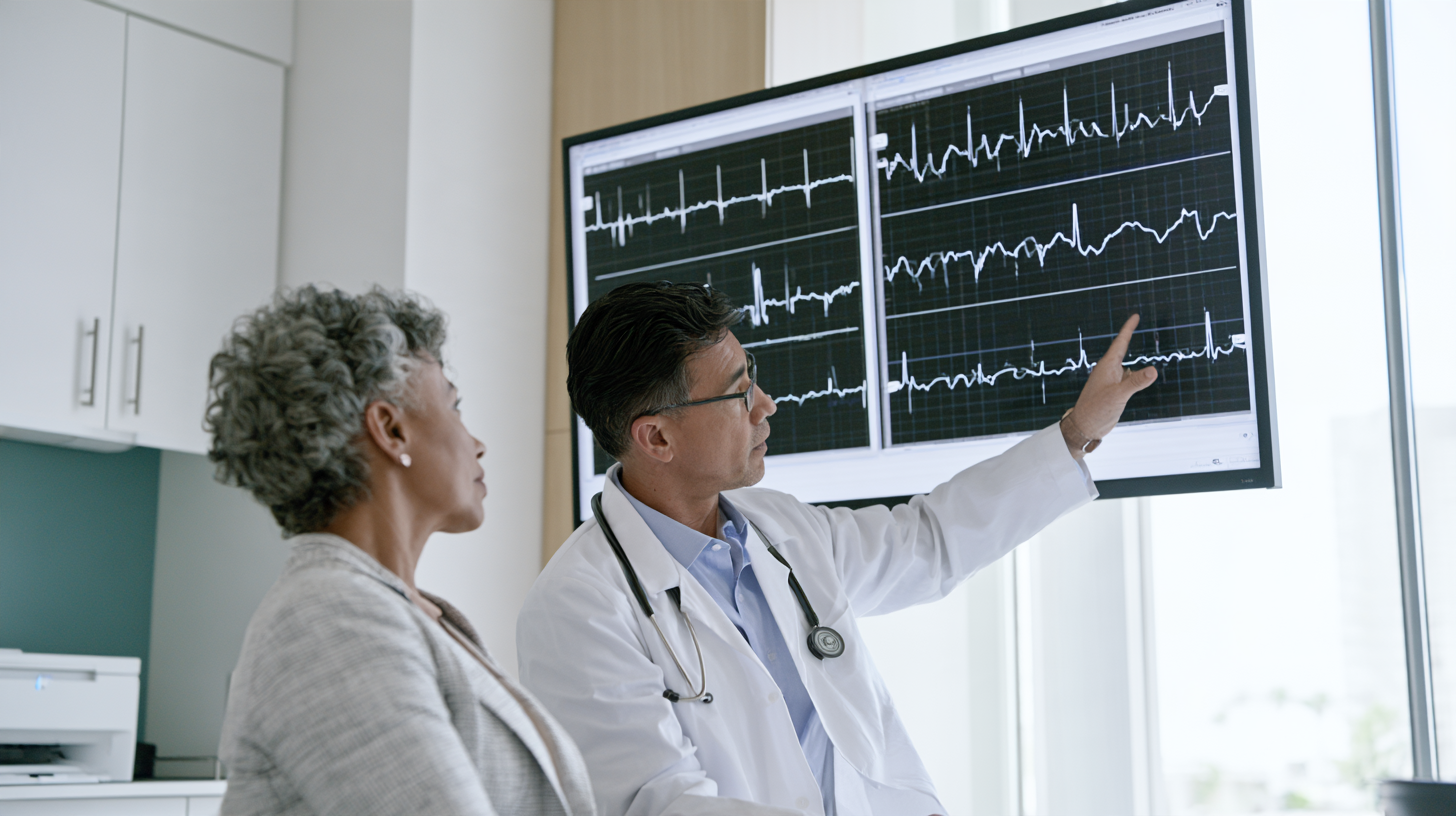
If breathing has started to feel different, even in subtle ways, it is normal to want clear answers. A lingering cough, shortness of breath, chest tightness, or reduced stamina can raise concern, especially when symptoms affect daily routines or make it harder to take a deep breath comfortably. In primary care, those concerns are often the starting point for a more careful look at how well your lungs are performing and whether there may be an underlying respiratory issue.
At BluePoint Medical Group, breathing tests are used as part of a thoughtful, patient-centered diagnostic process. These studies, often called pulmonary function tests or lung function tests, give physicians objective information about lung function, airflow, and how well your lungs work under different conditions. BluePoint describes these tests as a way to understand how much air a patient can move, whether the lungs are working as expected, and whether the findings point toward a condition that needs follow-up or treatment.
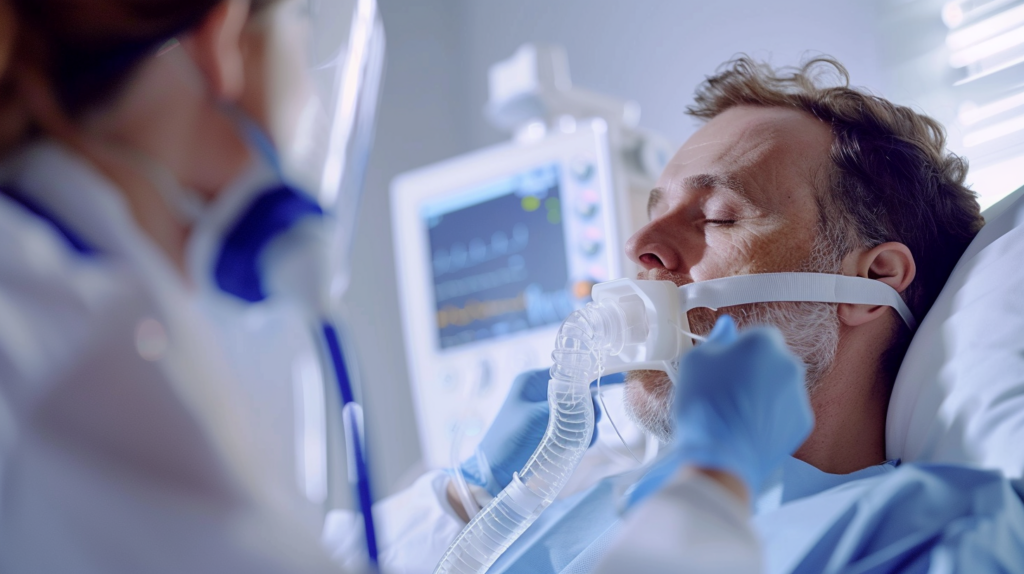
Why Providers Order Pulmonary Function Tests
A healthcare provider may recommend pulmonary function tests when symptoms suggest the lungs or airways are not functioning normally. This may happen when a patient has wheezing, shortness of breath, chronic cough, exercise intolerance, or other lung or airway symptoms that are difficult to explain through a physical exam alone. These tests do not replace clinical judgment, but they often add measurable data that improves the diagnostic picture.
In many cases, the provider may order testing not only to evaluate symptoms, but also to monitor a known lung condition, review risk factors, or assess whether the lungs may tolerate surgery or other medical procedures. Spirometry is widely used to assess respiratory health, monitor disease course, and evaluate the results of therapeutic interventions.
What Pulmonary Function Tests Measure
Pulmonary function tests PFTs are designed to measure several different aspects of breathing. They help physicians understand how much air a person can move in and out, the amount of air the lungs can hold, and how efficiently gases move from the lungs into the bloodstream. These are not just abstract numbers. They reflect how the lungs, airways, and breathing muscles are working together in real life.
A full testing session in a pulmonary function lab may include many different measurements. Depending on symptoms and goals, the evaluation may include spirometry, lung volume assessment, and a gas transfer study. The American Lung Association notes that these three main components help show airflow, lung volume, and diffusing capacity, which together provide a more complete understanding of pulmonary health.

How Spirometry Measures Lung Function
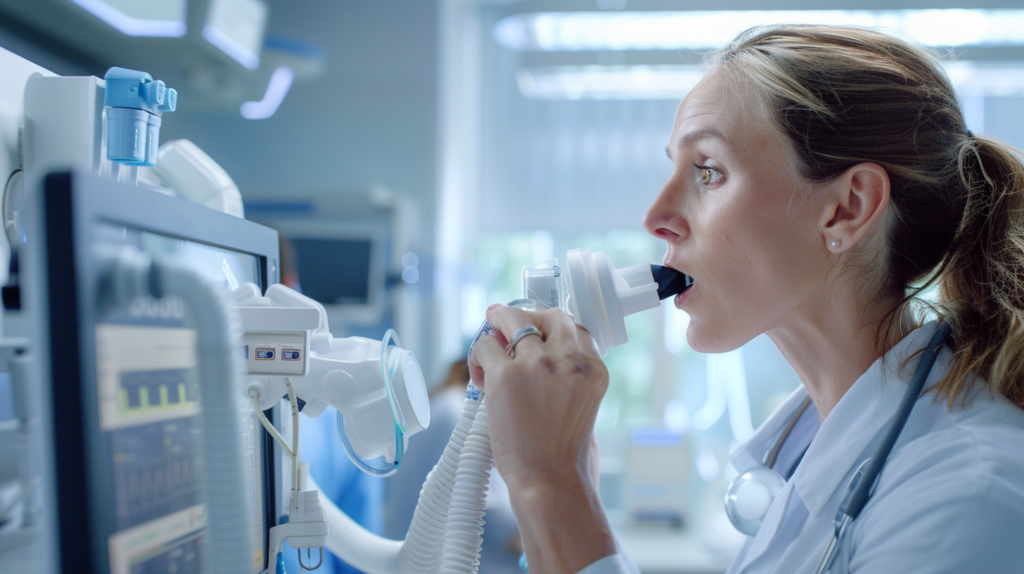
A spirometry test is usually the first test because it offers a quick and useful assessment of airflow. Spirometry measures how much air a person can forcefully blow out and how quickly that happens after they inhale and exhale on command. During the test, you may be asked to take a deep breath and then exhale as hard and as fast as possible into a mouthpiece so the machine can capture the volume of air and flow pattern.
This matters because spirometry may help detect narrowing in the airways and support a physician’s ability to diagnose asthma, chronic obstructive pulmonary disease, and other obstructive lung diseases. It can also show whether airflow limitation appears mild, moderate, or more advanced, which may guide next steps in treatment or additional evaluation. BluePoint notes that these tests help a provider see how well your lungs work compared with expected normal values.
What Body Plethysmography Reveals About Lung Volume
Some patients need more than spirometry alone. Body plethysmography is a test that helps measure lung volume, including how much air remains in the lungs after exhalation and how much air the lungs can hold overall. This becomes especially useful when physicians need to evaluate types of lung function that spirometry alone cannot fully explain.
These measurements can help clarify whether a patient may have air trapping, restricted expansion, or another pattern linked to lung disorders such as pulmonary fibrosis or hyperinflation from chronic airway disease. When used carefully, lung volume testing gives doctors a better sense of whether the issue is related to airflow, total lung size, or both. That distinction matters for diagnosis and for shaping more accurate treatment plans.
How Diffusion Tests Measure Oxygen Transfer
A lung diffusion capacity test, sometimes described as a gas transfer study, evaluates how effectively gases move from the lungs into the blood. The gas diffusion study measures the transfer of a very small, controlled amount of carbon monoxide to estimate how well the lungs move oxygen across the air sacs into circulation. The American Lung Association explains that diffusing capacity reflects how well gas moves from the lungs into the bloodstream, which is closely related to how the lungs absorb oxygen.
This test is important because it may show changes that spirometry alone does not capture. If a study shows reduced transfer, it can raise concern about certain interstitial lung conditions, emphysema, vascular issues, or other processes affecting how much oxygen crosses into the blood. In practical terms, it helps physicians evaluate not just airflow, but also whether the lungs are exchanging gases effectively enough to support the body during rest and activity.

When Additional or Exercise Tests Are Needed
Sometimes other tests are needed when symptoms are complex or do not match basic results. A cardiopulmonary exercise test or other exercise tests may be used when a physician wants to see how the heart and lungs perform together during physical activity. These studies can be helpful when shortness of breath happens mainly with exertion or when the cause of reduced stamina is not clear from office-based testing alone.
Additional studies may also be used to confirm a suspected diagnosis or to understand severity more clearly. In some cases, a patient may need repeated testing over time to compare changes, review response to treatment, or identify early decline in lung performance before symptoms become more disruptive. Longitudinal spirometry can detect excessive lung function loss earlier than a single test alone in some settings.
Can Breathing Tests Diagnose Chronic Lung Disease?
Yes, in many situations they play a central role. These tests may help your healthcare provider diagnose or monitor chronic pulmonary diseases, including asthma, chronic obstructive pulmonary disease, and selected restrictive lung disorders. They are especially helpful when symptoms overlap with other causes of fatigue, deconditioning, or chest discomfort, and the clinical team needs objective data before deciding on treatment.
They may also contribute to the evaluation of pulmonary fibrosis, persistent cough, unexplained wheeze, and certain post-infection breathing problems. The goal is not to label every symptom as a serious disease, but to determine whether there is a meaningful abnormality and whether it points toward a diagnosable respiratory pattern. Used this way, breathing tests help doctors evaluate lung function with more precision than symptoms alone.
What to Expect During Pulmonary Function Testing
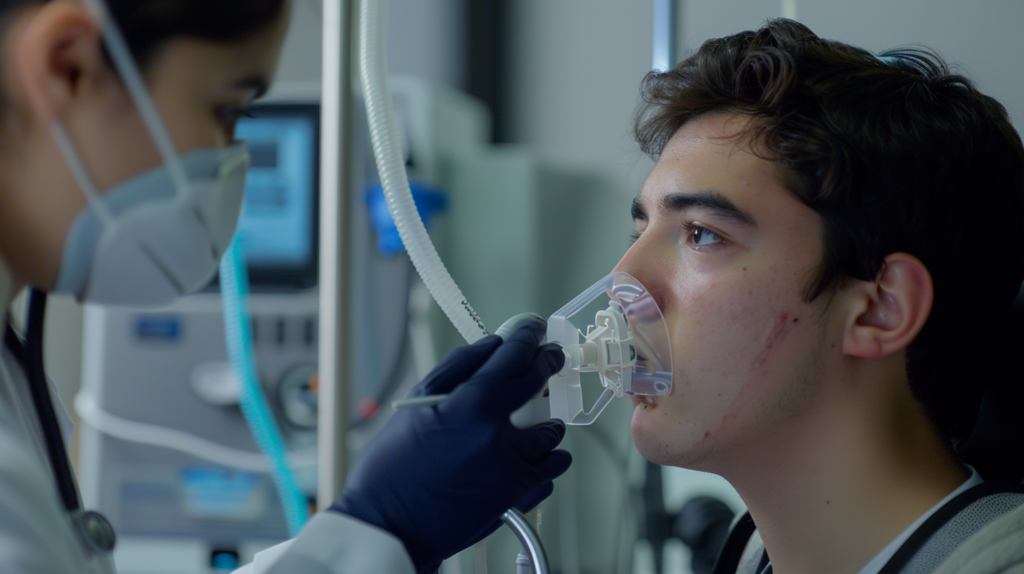
A visit to a pulmonary function lab is generally structured and noninvasive. During the appointment, you may be asked to breathe through a mouthpiece, wear a nose clip, or repeat certain efforts several times so the technician can make sure you test correctly. Some patients may feel briefly lightheaded or tired after forceful breathing maneuvers, but the instructions are typically simple and closely supervised.
Accurate interpretation also depends on context. Expected values are adjusted for factors such as age, height, sex, and sometimes ethnicity, depending on the reference standard used. That is why test results must be read by qualified clinicians rather than judged in isolation. BluePoint emphasizes using these results to guide next steps, which may include reassurance, lifestyle recommendations, further testing, or a targeted treatment plan.
FAQ
Do pulmonary function tests hurt?
Most pulmonary function tests are non-invasive and do not involve needles or surgery. You may feel tired for a moment after repeated forced breathing, but the testing itself is generally well-tolerated.
How long does a spirometry test take?
A spirometry test is often one of the shorter parts of the visit, though the full appointment may take longer if other studies are added. The exact timing depends on how many tests your provider orders.
Can breathing tests detect early lung disease?
They may help identify early changes in airflow or gas exchange, especially when symptoms are mild or risk factors are present. Results still need to be interpreted with your history, exam, and other findings.
Why would my provider order pulmonary function tests if my chest imaging looks normal?
Imaging and lung function tests answer different questions. A scan may look at structure, while pulmonary function tests measure how the lungs actually perform during breathing.
Conclusion
The real value of testing is what happens after the numbers are reviewed. When results show airflow limitation, restricted volumes, or reduced gas transfer, physicians can build more effective treatment plans based on the specific pattern instead of guessing from symptoms alone. That may involve inhaler therapy, smoking cessation counseling, referral, rehabilitation strategies, or follow-up testing, depending on the patient’s history and findings.
For patients with ongoing respiratory symptoms, these tests also help measure whether treatment is working. Repeated testing can show whether lung function is stable, improving, or declining, which supports better long-term planning and more informed conversations with a healthcare provider. Schedule a consultation with BluePoint Medical Group if you have persistent airway symptoms, reduced exercise tolerance, or concerns about how well your lungs are functioning.